
Why China Is Doubling Down on Its Export-Led Growth Model
Economic pressure, global competition, and Beijing’s strategy to sustain momentum
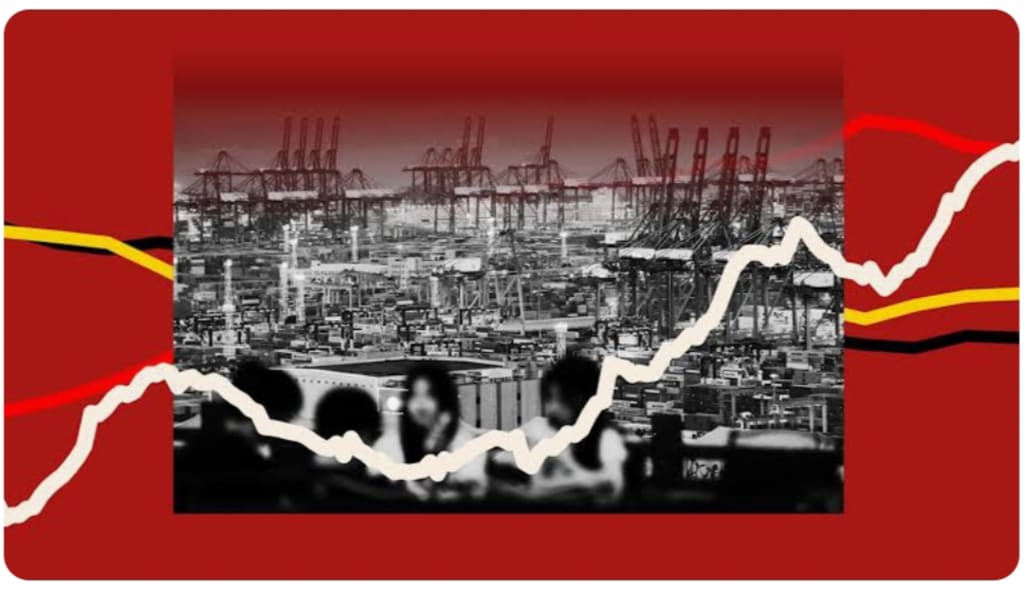
As global economic conditions grow more uncertain, China is reaffirming its commitment to an export-led growth model, signaling a strategic pivot that has far-reaching implications for international trade and geopolitics. While many economies are attempting to rebalance toward domestic consumption, Beijing appears to be doubling down on exports as a central pillar of its economic resilience strategy.
The Roots of China’s Export Success
China’s export-driven growth model has been a cornerstone of its economic rise over the past four decades. By leveraging low-cost labor, massive manufacturing capacity, and global supply chain integration, China became the world’s factory. Exports fueled job creation, foreign exchange reserves, and rapid urbanization.
Although wages have risen and demographics have shifted, the export sector remains deeply embedded in China’s economic infrastructure. Factories, logistics networks, and policy frameworks continue to support large-scale production for global markets.
Domestic Challenges Drive External Focus
One of the key reasons China is reinforcing its export strategy lies in domestic economic pressures. Slowing growth, a struggling property sector, and cautious consumer spending have weakened internal demand. Rather than relying solely on domestic consumption to drive recovery, policymakers see exports as a more reliable engine in the short to medium term.
By expanding external markets, China can keep factories running, preserve employment, and stabilize economic output while structural reforms take time to mature.
Industrial Policy and State Support
China’s renewed export push is closely linked to industrial policy. State support for strategic sectors—such as electric vehicles, renewable energy equipment, semiconductors, and advanced manufacturing—aims to move exports up the value chain.
Rather than competing solely on price, China is positioning itself as a leader in technologically advanced products. Subsidies, tax incentives, and infrastructure investment are all tools used to maintain competitiveness in global markets.
Navigating Global Trade Tensions
China’s export resurgence comes amid heightened trade tensions. Western economies, particularly the United States and the European Union, have expressed concern about market distortions caused by state-backed production and overcapacity.
Despite these challenges, Beijing appears willing to absorb friction in exchange for economic stability. Diversifying export destinations toward Asia, Africa, Latin America, and the Middle East helps mitigate reliance on traditional Western markets.
Currency and Competitiveness
Currency policy also plays a role. A relatively weaker yuan makes Chinese exports more competitive internationally, supporting volume growth even as global demand fluctuates. While China officially denies currency manipulation, exchange rate flexibility remains an important economic lever.
This approach allows Chinese exporters to maintain margins and market share during periods of global uncertainty.
Global Implications
China’s export-led strategy has significant consequences for the global economy. Increased Chinese exports can exert downward pressure on prices, benefiting consumers but challenging manufacturers in importing countries.
Developing nations may welcome affordable Chinese goods and infrastructure investment, while advanced economies face political pressure to protect domestic industries. These dynamics are reshaping global trade relationships and prompting renewed debates over industrial policy and economic sovereignty.
Balancing Growth and Risk
Relying heavily on exports is not without risks. Global demand is cyclical, and geopolitical tensions can disrupt supply chains. Moreover, sustained trade surpluses may intensify diplomatic friction and invite retaliatory measures.
Chinese policymakers appear aware of these risks but view exports as a stabilizing force during economic transition. Long-term goals still include boosting domestic consumption and innovation, but exports remain a practical bridge toward that future.
Technology and the Future of Exports
Digitalization, automation, and artificial intelligence are transforming China’s export sector. Smart factories, advanced logistics, and data-driven supply chains enhance efficiency and reduce costs.
By investing in technology, China aims to maintain its export advantage even as labor costs rise. This shift supports higher-quality growth and aligns with broader ambitions to become a global technology leader.
Conclusion
China’s decision to double down on its export-led growth model reflects pragmatic economic calculation rather than ideological rigidity. Facing domestic headwinds and global uncertainty, exports offer stability, employment, and international influence.
While this strategy may heighten trade tensions, it underscores China’s determination to remain a central player in the global economy. As Beijing navigates the balance between domestic reform and external engagement, the world will continue to feel the impact of China’s export-driven momentum.
About the Creator
Keep reading
More stories from Ayesha Lashari and writers in The Swamp and other communities.
“Adapt, Shrink, or Die”: How U.S. Aid Conditions Could Reshape the United Nations
A growing debate is unfolding within international policy circles following reports that the United States has attached strict conditions to a $2 billion aid package for the United Nations. The message, described by experts as “adapt, shrink, or die,” signals a potential turning point in the relationship between Washington and the world’s most prominent multilateral institution. Critics argue that these terms could force the UN to align more closely with U.S. priorities, raising serious concerns about independence, neutrality, and the future of global governance.
By Ayesha Lashari2 months ago in The Swamp
The Saddest Thing - The Billionaires Who Rule America Aren't Even Enjoying Themselves
This single post says more about our ruling class than a thousand policy papers. The saddest thing about today's system is that the men robbing the rest of us - sabotaging our economic prospects, our pensions, our access to affordable healthcare - are not even happy.
By Scott Christenson🌴24 days ago in The Swamp
Tatt~Master
— Assembly Line Tatt Machine ~ Impressions to Impress — As I begin to understand more about the Tattoo Phenomenon. I've written silly, yet verbatim, dating site anecdotes in 'Frazzled.' So let me ask you: Would you be More attracted to someone slathered with tattoos, or Less?
By Jay Kantor2 days ago in Humor


Comments
There are no comments for this story
Be the first to respond and start the conversation.