
White House Backtracks Initial Claims About Alex Pretti After Intense Backlash
Viral footage and public outrage force a dramatic shift in the administration’s narrative
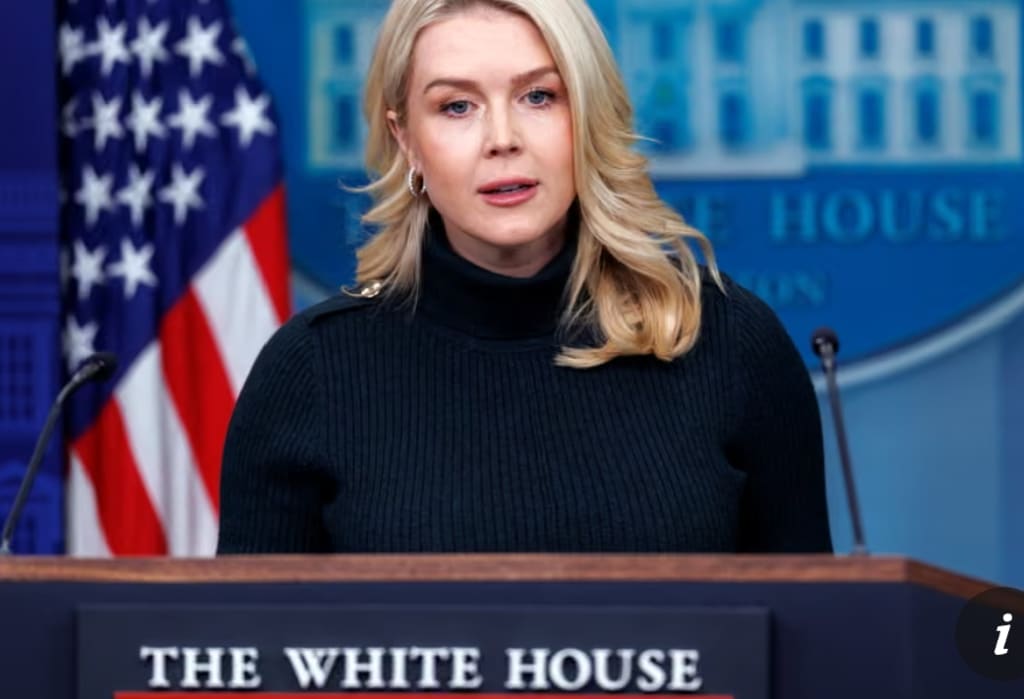
Hal law-enforcement killings in recent American history, the White House has been forced to walk back its initial narrative about the death of Alex Pretti — a turnabout that rein political communication, public trust, and national debate over the use lex Pretti’s death is not just another headline; it has become a symbol of the perils of rushed official messaging, the power of citizen journalism, and the fierce political pressure that can reshape how major institutions respond to tragedy.
A Fatal Encounter That Sparked Controversy
On January 24, 2026, Alex Jeffrey Pretti, a 37-year-old intensive care nurse and long-time Minneapolis resident, was fatally shot by U.S. Customs and Border Protection (CBP) agents in downtown Minneapolis.
Pretti, who was legally licensed to carry a firearm, had been observing a federal immigration enforcement operation linked to Operation Metro Surge — part of the Trump administration’s aggressive immigration crackdown. According to video evidence and witness accounts, he was recording the scene with his phone when a confrontation unfolded between federal agents and protesters.
Bystander videos later uploaded online show Pretti standing still with his phone before officers tackled him, disarmed him, and, moments later, shot him in the back multiple times. The footage — shared widely across social media — fundamentally contradicted early official statements and quickly became central to national debate.
Initial White House Messaging: Confusion and Claims
In the immediate aftermath of the shooting, senior Trump administration officials publicly characterized Pretti in alarming terms. White House Deputy Chief of Staff Stephen Miller called him a “domestic terrorist who tried to assassinate law enforcement,” and Department of Homeland Security Secretary Kristi Noem claimed that Pretti’s actions fit the legal definition of domestic terrorism.
These statements were disseminated to major news outlets and amplified on social platforms before any comprehensive investigation had taken place — a move that many critics argued was premature and politically driven. By the time video evidence began circulating, the narrative being put forward by the administration had already taken hold in many media cycles, fueling outrage among Pretti’s supporters and thousands of Americans who viewed the footage.
Viral Footage Alters the Narrative
The turning point in the story came when multiple bystander videos showed a very different scene than the one the White House had described. In those clips, Pretti never appeared to brandish a weapon at agents before being subdued. One eyewitness told a court document that Pretti wasn’t even facing the agents when they grabbed him, and appeared to be trying to assist a woman who had been pushed to the ground.
Instead of aggression, the footage showed Pretti on the ground, disarmed, and then shot at close range. This contradicted claims that he posed a direct threat to federal agents. Videos circulating on social media rapidly shifted public perception, galvanizing protests and demands for accountability.
Backlash Across the Political Spectrum
The response to the White House’s early statements was fierce — and notably bipartisan. Many progressive advocates and civil liberties organizations condemned the administration’s initial framing as misleading. But criticism also came from unexpected corners of the political landscape.
Second Amendment advocates and prominent Republicans expressed alarm that the administration’s language appeared to punish Pretti merely for being armed lawfully — a right protected under federal and Minnesota law. This unique coalition of critics played a significant role in forcing the White House to reconsider its messaging strategy.
A growing number of Republican lawmakers began calling for restraint and transparency, urging that facts, not political narratives, guide public communication about fatal law-enforcement actions.
White House Begins to Shift Its Tone
Amid mounting criticism and rapidly disseminating video evidence, the White House started distancing top officials from the most inflammatory claims. Press Secretary Karoline Leavitt declined to echo earlier accusations and emphasized that the administration would “let the facts and the investigation lead itself,” signaling a clear retreat from its initial language.
President Trump himself acknowledged the controversy in interviews, stating his intent to “de-escalate” the tense situation in Minnesota and to work more cooperatively with state leadership — including Governor Tim Walz — on future immigration enforcement operations.
At the same time, federal agents involved in the shooting have been placed on administrative leave, and the Border Patrol commander in Minneapolis was replaced amid criticism that command decisions contributed to the chaotic incident.
What This Means for Public Trust
The dramatic shift in messaging highlights several broader issues confronting American democracy today:
The speed of public communication: In an era of instant news and viral social media, officials are pressured to respond quickly — sometimes at the expense of accuracy.
The power of citizen journalism: Bystander footage played a crucial role in shaping public understanding, underscoring how everyday technology can influence national narratives.
Polarizing politics meeting real-world consequences: The intense backlash — including from ideological opponents — demonstrates how quickly political communication can become a liability if it appears disconnected from observable evidence.
For many Americans, the Pretti case is emblematic of deeper frustrations with how governments handle information in moments of crisis. Whether Pretti’s killing ultimately leads to policy changes, investigations, or legislative action remains to be seen, but the episode has already left an indelible mark on public conversation about government accountability and media trust.
---
If
About the Creator
Live: Blast in Iran’s Bandar Abbas caused by gas leak, fire chief says
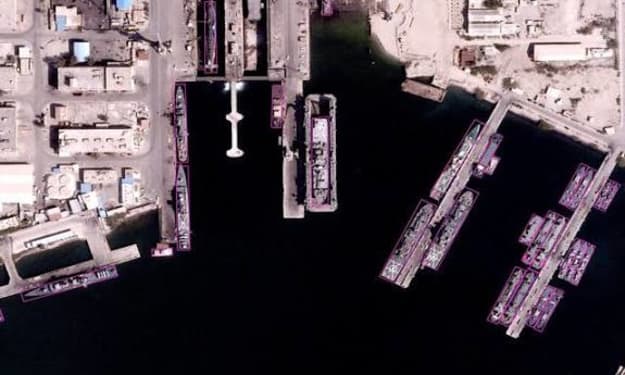
A powerful explosion rocked the southern Iranian port city of Bandar Abbas on Saturday, according to local officials, with preliminary investigations pointing to a gas leak as the cause of the blast, the city’s fire chief said. The incident has resulted in casualties, structural damage, and heightened tension amid ongoing geopolitical sensitivities in the region. Reuters +1 Explosion Rocks Strategic Port City The blast occurred in a residential building in the strategically important port city of Bandar Abbas, located along the Gulf coast near the Strait of Hormuz — one of the world’s most vital maritime shipping lanes. The local fire department chief, Mohammad Amin Lyaghat, told state media that a buildup of gas led to the explosion, but investigations are still underway to confirm the exact details. � LBCIV7 According to Iranian reports, at least one person was killed and 14 others were injured in the blast, with emergency services rushing the wounded to nearby hospitals. State authorities denied social media speculation that the explosion targeted a military figure or was related to any security incident. � Reuters What Happened in Bandar Abbas? Eyewitnesses described chaotic scenes as smoke and debris filled the air following the explosion. The building’s facade was damaged, vehicles nearby were affected, and emergency crews worked to secure the area. Initial assessments suggest that the blast occurred in a multi-story residential complex, but authorities have not yet ruled out other contributory factors. � L'Orient Today The announcement that the blast was caused by a gas leak aligns with official comments from local authorities, but analysts note that inquiries are continuing. This is standard procedure in incidents of this nature, particularly in regions with older infrastructure or limited safeguards in residential gas systems. Casualties and Immediate Response Officials confirmed that at least one fatality and numerous injuries were linked to the explosion, prompting widespread emergency response. Firefighters, paramedics, and police secured the site, evacuated residents from surrounding buildings, and began preliminary rescue and recovery operations. Reuters The injured include civilians of various ages, with several in serious condition. Hospitals around Bandar Abbas have reported receiving multiple patients requiring urgent care, although officials have not yet provided a complete breakdown of the casualties. Infrastructure and Economic Impact Bandar Abbas serves as a crucial hub for Iran’s maritime trade. Beyond its residential areas, the city hosts commercial port facilities, customs operations, and logistics infrastructure supporting international shipping. Any disruption here can have ripple effects on both domestic supply chains and foreign commerce that passes through the Strait of Hormuz. L'Orient Today While authorities stress that port operations and critical services are continuing without major interruption, there is concern about the stability of infrastructure near the blast site. Local officials are conducting safety inspections on nearby buildings and utility lines to prevent secondary incidents. Broader Context The explosion occurred at a time of heightened regional tensions, with diplomatic relations between Iran and several global powers under strain due to geopolitical disputes in the Middle East. Although Iranian officials have dismissed rumors of an attack, saying the blast resulted from a gas leak, some analysts caution that speculation continues on social media. Hindustan Times A separate gas-related explosion in another Iranian city, Ahvaz, earlier on the same day reportedly killed four people, underlining the risks associated with ing gas infrastructure in multiple locations across the country. Anadolu Ajansı Public Reaction and Safety Concerns Residents of Bandar Abbas expressed shock and concern after the blast. Many took to social media to share images and accounts of the explosion’s immediate aftermath, including videos of smoke plumes rising above the city skyline. Some commenters emphasized fears about gas safety and called for better infrastructure maintenance, while others echoed official denials of any malicious intent. Concerns about routine gas leaks and building safety are particularly acute in regions with older pipelines or limited regulatory oversight. Past incidents in Iran and elsewhere have demonstrated that gas leaks can be deadly when preventive measures are insufficient, and public pressure is mounting for improved safety standards. Investigations Underway Iranian authorities have launched an official investigation to analyze the cause of the blast, secure the site, and prevent potential future incidents. The fire department and crisis management teams are involved in assessing both structural damage and gas system integrity. As with many industrial and residential disasters, investigators are expected to review maintenance records, witness statements, and technical evidence from the site to better understand what triggered the gas buildup. The findings will determine whether the explosion was purely accidental or exacerbated by human error or infrastructure decay. Looking Ahead The blast in Bandar Abbas serves as a stark reminder of the dangers posed by gas leaks and aging infrastructure in densely populated urban areas. As authorities continue their inquiry, residents and policymakers alike are calling for stronger safety measures and preventive strategies. The incident highlights the dual challenges faced by cities like Bandar Abbas — maintaining vital economic activity through port operations while ensuring the safety and well-being of local communities. As families recover and rebuild, the emphasis on accountability, safety reforms, and emergency preparedness will remain central issues in the region.
By Fiaz Ahmed about 21 hours ago in The Swamp
Instructions Included Challenge Winners
For the Instructions Included challenge, we asked writers to tell a story through instructions and to trust the form to carry what could not be said outright. Across the top entries, that trust paid off in many different ways.
By Vocal Curation Team4 days ago in Resources


Comments
There are no comments for this story
Be the first to respond and start the conversation.