
What Trump’s Plans for the Arctic Mean for the Global Climate Crisis
Expanded drilling and military ambitions raise alarms for one of Earth’s most fragile regions Arctic strategy sparks debate over energy, security, and environmental survival Scientists warn Trump’s vision could accelerate warming in a climate tipping point zone Geopolitics and fossil fuels collide in the race for the melting north Policy shifts in the Arctic could reshape the future of global climate action

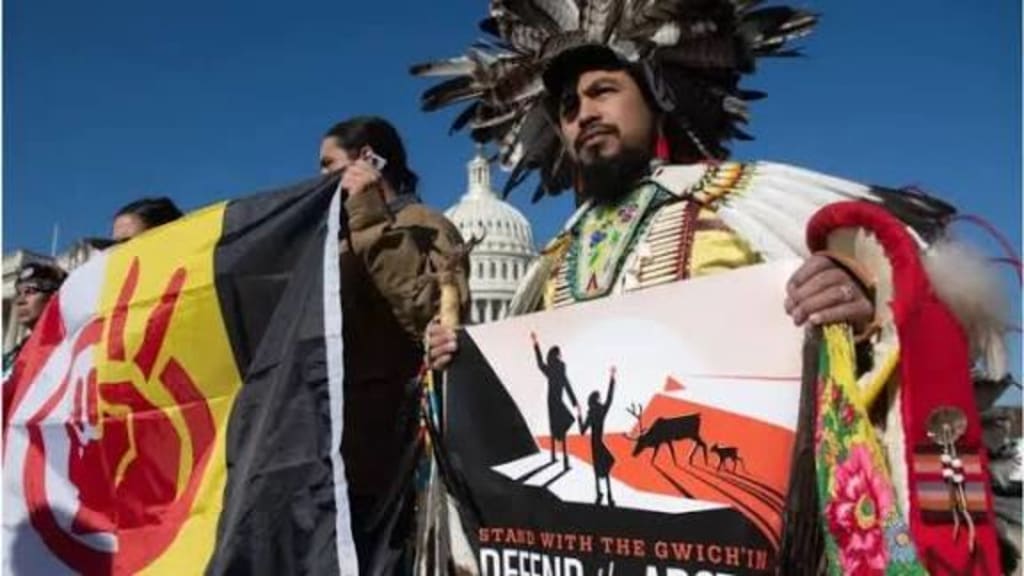
Former U.S. President Donald Trump’s renewed focus on the Arctic has revived debate over one of the world’s most fragile and strategically important regions. His proposals to expand oil and gas drilling, strengthen military presence, and assert American influence in the far north have significant implications not only for U.S. policy but for the global climate crisis.
The Arctic is warming nearly four times faster than the rest of the planet, according to scientific studies. Melting ice caps, thawing permafrost, and shrinking glaciers are already transforming ecosystems and indigenous livelihoods. Any decision to intensify industrial activity in the region risks accelerating these changes and undermining international efforts to limit global warming.
Energy Expansion vs Climate Commitments
Trump has long argued that the Arctic represents an untapped source of economic growth and energy independence. During his presidency, his administration opened large portions of Alaska’s Arctic National Wildlife Refuge (ANWR) and other federal lands to oil and gas exploration. He framed these moves as a way to reduce reliance on foreign energy and create jobs.
Critics say this approach ignores the broader climate consequences. Extracting and burning Arctic fossil fuels would add millions of tons of carbon dioxide to the atmosphere. Environmental groups argue that expanding drilling in one of the most climate-sensitive regions of the world sends the wrong signal at a time when nations are trying to transition to renewable energy.
Climate scientists warn that Arctic development carries higher risks than drilling elsewhere. Oil spills are harder to clean in icy waters, and infrastructure built on melting permafrost is more likely to fail. These hazards increase the chance of long-term environmental damage.
Strategic and Geopolitical Stakes
Trump’s Arctic ambitions are not limited to energy. The region is becoming a new arena of geopolitical competition as melting ice opens shipping routes and access to natural resources. Russia and China have invested heavily in Arctic infrastructure, ports, and military bases. Trump repeatedly emphasized the need for the U.S. to counter these moves.
His administration sought to expand the U.S. Coast Guard fleet of icebreakers and increase military readiness in Alaska and the Arctic Ocean. Supporters argue this is necessary to protect national security and maintain freedom of navigation. However, environmental advocates worry that militarization could further disrupt fragile ecosystems and divert attention from climate cooperation.
The Arctic Council, an international forum that includes the U.S., Russia, Canada, and Nordic countries, was created to promote scientific collaboration and environmental protection. Trump’s more confrontational stance raised concerns that climate diplomacy in the Arctic could be sidelined by strategic rivalry.
Impact on Indigenous Communities
Indigenous peoples living in the Arctic, including Alaska Native communities, are among the first to experience the consequences of warming temperatures. Coastal erosion, collapsing ice roads, and declining wildlife populations threaten traditional hunting and fishing practices.
Some local leaders support limited development for economic reasons, including job creation and infrastructure investment. Others strongly oppose drilling, arguing it puts their culture and environment at risk. Trump’s plans have intensified these divisions, with critics saying decisions were often made without sufficient consultation with affected communities.
Human rights groups note that indigenous voices are frequently marginalized in national debates about Arctic policy. They argue that sustainable development and climate adaptation should take priority over short-term resource extraction.
Global Climate Consequences
What happens in the Arctic does not stay in the Arctic. The region plays a critical role in regulating the Earth’s climate. Sea ice reflects sunlight back into space; when it melts, darker ocean water absorbs more heat, accelerating warming in a process known as the albedo effect.
Thawing permafrost also releases methane, a greenhouse gas far more potent than carbon dioxide in the short term. Scientists warn that large-scale Arctic industrial activity could trigger feedback loops that make it much harder to meet global climate targets set under agreements like the Paris Accord.
Trump withdrew the U.S. from the Paris Agreement during his presidency, arguing it unfairly restricted American industry. Although the U.S. later rejoined under President Joe Biden, Trump has signaled skepticism toward international climate commitments, raising fears that Arctic policy could once again shift toward aggressive exploitation if he returns to power.
A Dividing Line in Climate Politics
Trump’s Arctic vision reflects a broader divide in global climate politics: economic growth versus environmental protection. Supporters say America should use its natural resources to strengthen its economy and security. Opponents counter that the climate crisis demands restraint, innovation, and a move away from fossil fuels altogether.
European nations and environmental organizations have called for the Arctic to be treated as a protected zone rather than a new frontier for extraction. Some have proposed moratoriums on Arctic drilling, citing the region’s vulnerability and global importance.
Conclusion
Trump’s plans for the Arctic carry consequences far beyond U.S. borders. They affect not only energy markets and geopolitics but also the future of the global climate system. As ice continues to melt and competition intensifies, the choices made by major powers will shape whether the Arctic becomes a symbol of cooperation and conservation or a battleground for resources.
The debate underscores a central question of the climate era: will the world prioritize short-term economic gains, or recognize that protecting the Arctic is essential to protecting the planet itself?
About the Creator
Fiaz Ahmed
I am Fiaz Ahmed. I am a passionate writer. I love covering trending topics and breaking news. With a sharp eye for what’s happening around the world, and crafts timely and engaging stories that keep readers informed and updated.
Keep reading
More stories from Fiaz Ahmed and writers in The Swamp and other communities.
US Expresses Solidarity After Balochistan Attacks, Says It Stands ‘Steadfast’ With Pakistan
The United States has expressed strong solidarity with Pakistan following a series of deadly attacks in the southwestern province of Balochistan, reaffirming its commitment to stand “steadfast” with the country in its fight against terrorism and violent extremism. The statement comes amid heightened security concerns after coordinated assaults targeted civilians and security personnel, drawing widespread condemnation from the international community. In an official statement released by the US State Department, Washington conveyed its condolences to the families of the victims and emphasized its continued partnership with Pakistan to counter militant threats. “The United States stands steadfast with Pakistan and the Pakistani people during this difficult time,” the statement said, adding that acts of violence against innocent civilians are “unacceptable and must be confronted collectively.” Deadly Attacks in Balochistan The attacks occurred in multiple districts of Balochistan, a province that has long struggled with insurgency, separatist movements, and militant activity. According to Pakistani authorities, gunmen and suicide attackers targeted security checkpoints and public areas, killing several people and injuring dozens more. Emergency services were rushed to the scenes, while hospitals in nearby cities were placed on high alert. Security forces launched search operations to track down those responsible, sealing off affected areas and increasing patrols across major towns. Officials described the attacks as a deliberate attempt to destabilize the region and undermine development projects underway in the province. Balochistan, Pakistan’s largest province by area but least populated, has been at the center of security challenges for years. It is also a strategic region due to its mineral resources and its location along the Arabian Sea, including the Gwadar port, which is a key part of the China-Pakistan Economic Corridor (CPEC). International Condemnation The US response was among several messages of support from foreign governments and international organizations. American officials reiterated their opposition to terrorism in all its forms and stressed the importance of regional cooperation to prevent such attacks from recurring. A senior US official said Washington remains committed to working closely with Pakistan’s law enforcement and intelligence agencies. “We recognize the sacrifices Pakistan has made in combating terrorism, and we will continue to support efforts that promote peace and stability,” the official noted. The US embassy in Islamabad also issued a message of sympathy, expressing condolences to the victims’ families and wishing a swift recovery to those injured. It highlighted the long-standing security cooperation between the two countries, including joint counterterrorism initiatives and training programs. Pakistan’s Response Pakistan’s leadership strongly condemned the attacks, calling them an assault on national unity and public safety. The Prime Minister vowed that those responsible would be brought to justice and reaffirmed the government’s resolve to eliminate terrorism from the country. In a televised address, he said the violence would not deter Pakistan from pursuing economic development and regional connectivity. “Our enemies want to spread fear and chaos, but they will fail,” he stated. “The nation stands united with our security forces.” The Interior Ministry announced stricter security measures in sensitive districts of Balochistan, including increased checkpoints, intelligence-based operations, and coordination with provincial authorities. Officials also urged citizens to remain vigilant and report suspicious activity. Strategic Importance of Balochistan Analysts note that Balochistan’s security situation has broader regional implications. The province borders Iran and Afghanistan, making it vulnerable to cross-border militant movements and smuggling networks. Instability in the area also affects key infrastructure and investment projects, which are vital for Pakistan’s economic growth. The US statement of solidarity is seen as part of a broader effort to maintain stability in South Asia and prevent extremist groups from exploiting regional tensions. Washington has repeatedly emphasized that a secure and prosperous Pakistan is essential for peace in the wider region. Some observers say the renewed diplomatic support may also signal an attempt to strengthen bilateral relations after years of fluctuating ties. While cooperation between the two countries has faced challenges in the past, counterterrorism remains a shared priority. Human Cost and Community Impact Beyond the political and strategic implications, the attacks have left deep scars on local communities. Families mourned their loved ones as funeral prayers were held under heavy security. Survivors described scenes of chaos and fear, with many calling for stronger protection and justice. Human rights organizations have urged authorities to ensure that counterterrorism operations respect the rule of law and protect civilian lives. They stressed the importance of addressing not only security concerns but also the underlying social and economic grievances that fuel unrest in the province. Looking Ahead The US pledge to stand “steadfast” with Pakistan underscores the continued importance of international cooperation in addressing terrorism. Both countries have signaled that dialogue, intelligence sharing, and joint efforts will remain central to preventing future attacks. As Pakistan continues its operations in Balochistan, officials say they are determined to restore calm and ensure that development projects can proceed without disruption. For Washington, the latest statement reflects a recognition that long-term stability in Pakistan is closely linked to global security. While the investigations into the attacks continue, the message from both Islamabad and Washington is clear: violence will not be allowed to derail efforts toward peace, and those responsible will face justice.
By Fiaz Ahmed 2 days ago in The Swamp
Why Black History Matters in America?
The United States of America is celebrating their 250th anniversary in 2026. I'm proud to be an American and as someone who was born here, I wouldn't imagine myself living anywhere else. This is a country where opportunities are possible. Where anyone can be successful in anything they desire to do. Equality, community, and togetherness are the backbones of what America is and should be about. However, we have an administration who wants to erase and disregard those who have made positive, meaningful impacts in our country, specifically Black figures, such as Martin Luther King, Jr., Rosa Parks, and Maya Angelou. President Trump and his administration have been constantly complaining and fighting against what they call the "Woke agenda". They use this excuse as a distraction from other issues they refuse to address, such as the high cost of living, climate change, and inflation. That equality is dividing America, when in reality, it's bringing us together. Being woke is not tied to a specific political party. No matter where you stand on the political spectrum, you can still care about other people and their plights. Compassion and empathy for others isn't tied to a political party, either. We were taught as children to treat others the way we want to be treated and not judge others because they're different from us. Caring about others isn't a personal attack on your beliefs. It doesn't make you any less of a person. People who are easily offended over African American figures, past or present, or anything related to it, are grasping at straws. Current and future generations need to know who people like Harriet Tubman and Shirley Chisholm were, especially in the classroom. Black History is part of American History. It should be recognized, not hidden or forgotten. Besides, you can't shield children from everything, just because your feelings are easily hurt.
By Mark Wesley Pritchard 7 days ago in The Swamp
~ Fired ~
— Ai Intrusion ~ Are you Next ~ Is Ai Evolution after your job? — Few workplaces haven't been affected. Ai is in supermarkets, at doctors' offices, and even monitoring farms. I just can't think of anything this machine is not getting into, can you? For instance: Education ~ Law and Tech jobs will one day have a major influence or be taken over by these inanimate machines, with accuracy and vigor. From mechanics' diagnoses to a wide variety of everyday jobs, including fast food workers, with this input having the ability to cut their unnecessary work hours. I'm certain all of us have been touched by this with our short stories and colorful headings, have you? Even comments are very questionable 'Non-Robot' insertions.
By Jay Kantor7 days ago in Journal



Comments
There are no comments for this story
Be the first to respond and start the conversation.