
What Is the SAVE Act? Why Married Women in the U.S Are Worried About Their Voting Rights.
"A New Voting Law Could Disenfranchise Millions Especially Women Who Changed Their Last Name After Marriage"

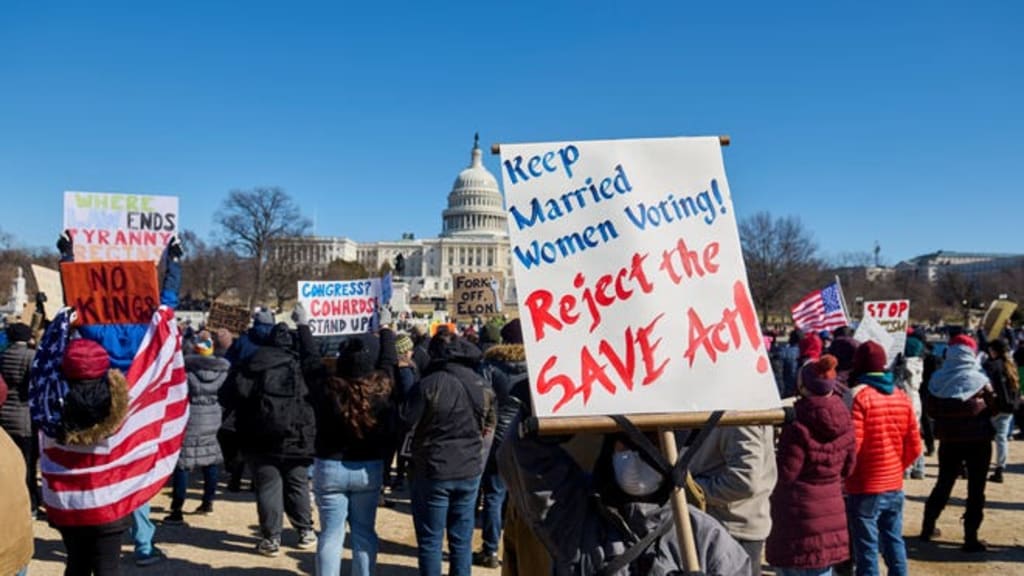
What Is the SAVE Act? Why Married Women in the U.S Are Worried About Their Voting Rights.
The Safeguard American Voter Eligibility Act (SAVE Act) has become a flashpoint in the ongoing debate over voting rights and election integrity in the United States. While the bill aims to tighten voting security by requiring proof of citizenship to vote in federal elections it has sparked significant concern among civil rights advocates especially among married women. Here’s a breakdown of what the SAVE Act proposes and why it’s raising alarms.
What Is the SAVE Act?
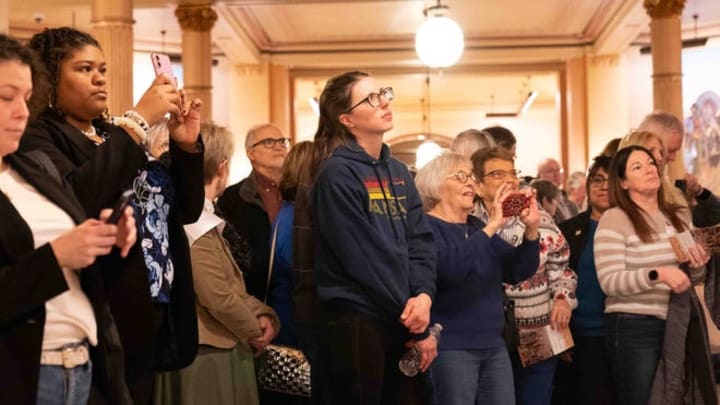
Introduced by Republican Representative Chip Roy of Texas the SAVE Act is designed to prevent non citizens from registering to vote in federal elections. Although it is already illegal for non citizens to vote in federal contests the bill’s supporters argue that stronger safeguards are needed to prevent fraudulent registrations. The bill mandates that every individual registering to vote must provide documented proof of U.S citizenship such as a U.S. birth certificate passport or naturalization certificate. This rule would apply both to new voter registrations and updates to existing records. Critics argue that the bill addresses a problem that data shows is negligible. According to multiple studies instances of non citizen voting are extremely rare and do not occur at a level that would influence the outcome of elections.
Why Are Married Women Concerned?
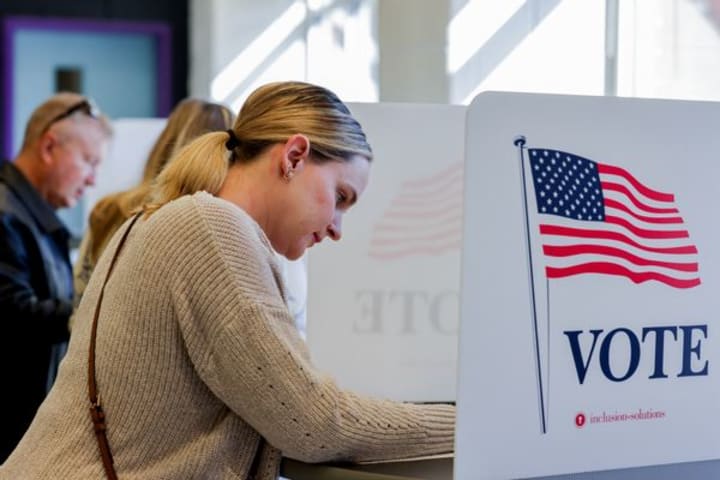
One of the groups most affected by the SAVE Act could be married women who have changed their surnames after marriage. Under the proposed law if a woman’s current legal name (used on her ID or voter registration) does not match the name on her proof of citizenship (like a birth certificate) she would be required to provide additional documentation. However the bill does not consider a marriage certificate as valid proof to reconcile these differences in name. That creates a barrier for millions of women who may not have updated documents or easy access to the paperwork required to prove their identity under the new rules. This issue could potentially disenfranchise many law abiding eligible female voters simply because they have legally changed their last name a common and completely legal life event. The SAVE Act doesn’t just pose challenges for married women. It could also disproportionately impact low income Americans the elderly rural residents students and others who may have difficulty obtaining official documentation. According to the Brennan Center for Justice approximately 21 million eligible U.S citizens do not have government issued photo ID or ready access to citizenship documents. The bill would also severely limit voter registration options by banning mail-in or online registration unless citizenship documents are physically submitted and verified. Voter registration drives often led by community organizations and nonprofits would also become significantly harder to execute under this law.
What Do Supporters Say?
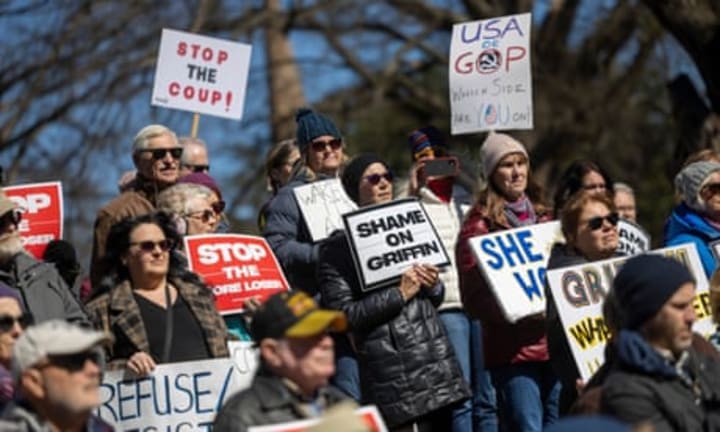
Proponents of the SAVE Act argue that requiring proof of citizenship helps uphold the integrity of U.S elections. They claim that although cases of illegal voting are rare even a few instances can damage public confidence in democratic processes. They believe the law would reassure Americans that every vote cast in a federal election is from a legitimate citizen.The SAVE Act passed the House of Representatives, where Republicans hold the majority. However it faces a much tougher path in the Senate where Democrats have more influence. Even if it were to pass both chambers it would likely face legal challenges from civil rights organizations that view it as a form of voter suppression. The SAVE Act may have been proposed with the intention of enhancing election security but its real world impact could be far-reaching and problematic especially for married women and other groups without easy access to documentation. As the bill moves through the legislative process it is likely to remain at the center of a heated national conversation about voting rights accessibility and the future of American democracy.
SEO KEYWORD:
SAVE Act 2024, What is the SAVE Act, Voting rights for married women, New voter ID law USA, Proof of citizenship to vote, Voter suppression in the US, Election laws 2024, Voter registration law USA, Voting law affects women, Married name and voter ID issue, How the SAVE Act affects married women, Can women vote if their last name changed after marriage, Will SAVE Act impact voter registration, SAVE Act proof of citizenship requirement, Voting rights issues under SAVE Act.
About the Creator
Adnan Rasheed
Author & Creator | Writing News , Science Fiction, and Worldwide Update| Digital Product Designer | Sharing life-changing strategies for success.
Keep reading
More stories from Adnan Rasheed and writers in The Swamp and other communities.
Boca Raton Plane Crash Today Small Aircraft Bursts Into Flames Near Busy Intersection Latest Update.
Boca Raton Plane Crash Today Small Aircraft Bursts Into Flames Near Busy Intersection Latest Updates Boca Raton FL April 11, 2025 A small aircraft crashed near a busy intersection in Boca Raton on Friday morning causing a fiery wreck and prompting a rapid emergency response that brought local traffic to a standstill. The incident occurred around 10:30 a.m. near North Military Trail between NW 19th Street and Butts Road just outside the Boca Raton Airport and within close proximity of the heavily traveled I-95 corridor. Eyewitnesses reported a loud zooming sound moments before the crash followed by a massive boom and thick black smoke billowing into the sky. “I was working in my office when I heard this loud roar. The whole building shook” said Cynthia Morales a local real estate agent whose office is just a block away from the crash site. We looked out the window and saw smoke rising. It was terrifying. The aircraft identified by local authorities as a single engine private plane reportedly experienced engine trouble shortly after takeoff from Boca Raton Airport. Preliminary reports suggest the pilot attempted to return to the airport but was unable to maintain altitude. The plane clipped a power line before crashing onto a stretch of grass near the intersection. Upon impact the aircraft burst into flames, drawing the attention of dozens of bystanders and causing panic in the area. Cellphone footage shared online shows thick smoke engulfing the wreckage as firefighters rushed to the scene. Boca Raton Fire Rescue arrived within minutes quickly extinguishing the fire and securing the area. One person presumed to be the pilot was airlifted to a local trauma center. Authorities have not released the individual’s name or condition as of this writing.
By Adnan Rasheed9 months ago in The Swamp
: US Lawmakers Move to Stop Trump’s Threatened Tariffs on European Allies
The United States is facing a potential trade storm as former President Donald Trump once again threatens tariffs—this time targeting European allies. In response, a growing number of US lawmakers are stepping up, seeking to block these threatened measures before they can disrupt international trade relationships and domestic markets. Trump, known for his aggressive trade policies during his presidency, has repeatedly criticized what he perceives as unfair trade practices by Europe. Now, his latest rhetoric suggests he may impose tariffs on European goods, raising alarms across Capitol Hill and the global trade community. For many members of Congress, this is not just about economics—it’s about diplomacy, alliances, and maintaining the stability of long-standing trade agreements. Bipartisan Concern Over Tariffs What’s notable about this pushback is the bipartisan nature of it. Lawmakers from both parties are expressing concerns about the potential impact of these tariffs. Republican senators, while traditionally aligned with Trump on issues of trade protectionism, are warning that broad tariffs could hurt American exporters and consumers. Democrats are emphasizing the diplomatic fallout and the risk of escalating trade tensions with Europe, which remains a key ally in both economic and security matters. Senator Susan Collins, a Republican from Maine, stated, “We need to protect American workers, but imposing sweeping tariffs on our European allies is not the way. It could backfire on the very industries we are trying to support.” Similarly, Democratic Representative Katherine Clark noted, “Tariffs should never be the first option. We must preserve our alliances while addressing legitimate trade concerns.” This bipartisan consensus signals the seriousness with which Congress is treating Trump’s threats. Unlike during his presidency, when Trump often faced a divided legislative branch, the current environment shows unified resistance to measures that could destabilize US-European trade relations. The Economic Risks Economists have long warned that tariffs, especially those imposed suddenly and broadly, can have ripple effects throughout the economy. Tariffs on European goods could raise prices for American consumers on everyday items ranging from wine and cheese to cars and industrial equipment. At the same time, European countries could retaliate with tariffs of their own, targeting American exports such as agricultural products, technology, and aerospace goods. Analysts also highlight the potential for long-term damage. Trade tensions can discourage investment, slow supply chains, and increase uncertainty for businesses that rely on global partnerships. For US companies already navigating post-pandemic recovery and supply chain disruptions, additional tariffs could be a significant burden. A report from the Peterson Institute for International Economics suggests that even targeted tariffs on a few European goods could reduce US GDP growth by up to 0.5% over the next year. While this may sound modest, in an already uncertain economic environment, such declines could affect jobs, wages, and consumer spending. Diplomatic Fallout Beyond the economic consequences, the diplomatic implications of these threatened tariffs are substantial. Europe has traditionally been a close ally of the United States in international affairs, from NATO cooperation to climate agreements. Imposing tariffs risks straining these relationships at a time when global cooperation is critical on issues such as security, energy, and economic stability. European leaders have already expressed concern. Officials in Brussels have warned that any unilateral tariffs could lead to retaliatory measures and may undermine ongoing trade negotiations. While Trump’s statements have been framed as protecting American interests, allies perceive them as a threat to the stability and fairness of international trade norms. Lawmakers’ Proposed Solutions In response, Congress is exploring several avenues to block or limit the impact of any new tariffs. Some lawmakers are drafting legislation that would require a congressional vote before the executive branch can impose such trade measures, effectively curbing unilateral authority. Others are pushing for closer oversight and transparency, ensuring that any proposed tariffs undergo thorough economic and diplomatic analysis. Representative Richard Neal, chairman of the House Ways and Means Committee, emphasized the need for checks and balances. “Congress has a role in protecting not just American jobs, but also the integrity of our alliances. We will not sit idle while threats of tariffs jeopardize our economic and diplomatic relationships.” These proposals reflect a growing recognition that trade policy cannot exist in a vacuum. Economic decisions are intertwined with international relations, and lawmakers appear determined to prevent impulsive actions that could have far-reaching consequences. Public Reaction Public reaction has been mixed, with some Americans supporting strong trade measures to protect domestic industries, while others worry about higher prices and disrupted supply chains. Business groups, particularly in sectors reliant on European imports or exports, have been vocal in opposing new tariffs. The US Chamber of Commerce issued a statement urging lawmakers to block any measures that could escalate trade tensions unnecessarily. “American businesses thrive on predictable trade relationships. Tariffs create uncertainty, hurt consumers, and may lead to retaliatory measures from our allies.” Consumer advocacy groups echo this concern, warning that tariffs are essentially a tax on everyday goods. For families already grappling with inflation, even modest tariff increases could hit household budgets hard. Looking Ahead While Trump’s threats have sparked immediate concern, the final outcome remains uncertain. Lawmakers are moving quickly to draft legislation and coordinate with European counterparts to prevent unilateral action. Analysts suggest that diplomatic engagement combined with congressional oversight could significantly reduce the likelihood of new tariffs being implemented. The episode underscores a broader lesson about US trade policy: cooperation and negotiation remain essential, even in an era of political polarization. Tariffs may be a powerful tool in theory, but in practice, they carry risks that can ripple across the economy, international relations, and domestic politics. As Congress continues to act, one thing is clear: any attempt to impose tariffs on European allies will not go uncontested. Lawmakers on both sides of the aisle appear ready to defend economic stability and diplomatic relationships, sending a message that the US is committed to protecting its interests without alienating long-standing partners. In a world where trade disputes can quickly become geopolitical flashpoints, the coming weeks will be crucial. How the US navigates these threats may set the tone for its economic and diplomatic relationships for years to come.
By Muhammad Hassanabout 8 hours ago in The Swamp
An Isolated Iran Finds China’s Friendship Has Limits
When strategic alliances are tested amid sanctions, unrest, and shifting global priorities For decades, Iran has positioned itself as a key geopolitical player in West Asia, often standing at odds with the United States and Western powers. Over that time, China has emerged as Tehran’s most important ally — economically, diplomatically, and rhetorically. Yet, as Iran faces widespread protests, economic collapse, and mounting external pressure, its relationship with Beijing is revealing cracks. What Iran once saw as a dependable lifeline is increasingly perceived as limited and transactional, with Beijing’s restraint reshaping Tehran’s strategic calculus. �
By Fiaz Ahmed Brohi7 days ago in The Swamp
Smart phones, Humans and Aliens.
WARNING. I will be tapping into one of your favorite creative tensions: The absurdity of humans worshipping their glowing rectangles as if they were tiny oracles. There’s something deliciously poetic about that contradiction, and it lends itself beautifully to an instructive proviso.
By Novel Allen4 days ago in Poets



Comments
There are no comments for this story
Be the first to respond and start the conversation.