
: US Lawmakers Move to Stop Trump’s Threatened Tariffs on European Allies
Bipartisan push grows in Congress as concerns mount over trade conflicts with key allies

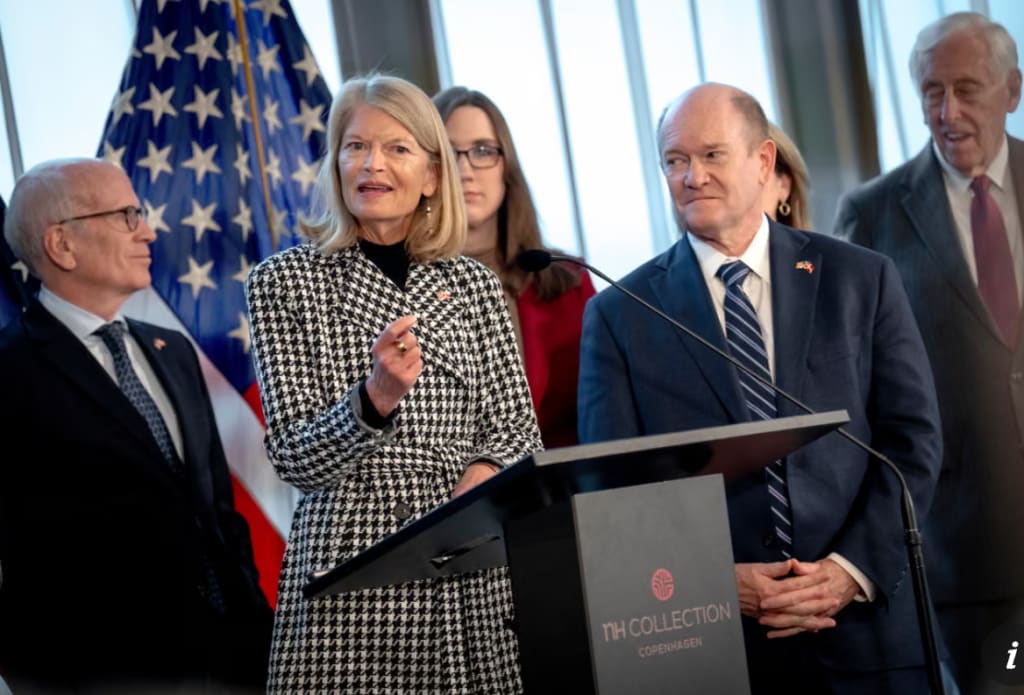
The United States is facing a potential trade storm as former President Donald Trump once again threatens tariffs—this time targeting European allies. In response, a growing number of US lawmakers are stepping up, seeking to block these threatened measures before they can disrupt international trade relationships and domestic markets.
Trump, known for his aggressive trade policies during his presidency, has repeatedly criticized what he perceives as unfair trade practices by Europe. Now, his latest rhetoric suggests he may impose tariffs on European goods, raising alarms across Capitol Hill and the global trade community. For many members of Congress, this is not just about economics—it’s about diplomacy, alliances, and maintaining the stability of long-standing trade agreements.
Bipartisan Concern Over Tariffs
What’s notable about this pushback is the bipartisan nature of it. Lawmakers from both parties are expressing concerns about the potential impact of these tariffs. Republican senators, while traditionally aligned with Trump on issues of trade protectionism, are warning that broad tariffs could hurt American exporters and consumers. Democrats are emphasizing the diplomatic fallout and the risk of escalating trade tensions with Europe, which remains a key ally in both economic and security matters.
Senator Susan Collins, a Republican from Maine, stated, “We need to protect American workers, but imposing sweeping tariffs on our European allies is not the way. It could backfire on the very industries we are trying to support.” Similarly, Democratic Representative Katherine Clark noted, “Tariffs should never be the first option. We must preserve our alliances while addressing legitimate trade concerns.”
This bipartisan consensus signals the seriousness with which Congress is treating Trump’s threats. Unlike during his presidency, when Trump often faced a divided legislative branch, the current environment shows unified resistance to measures that could destabilize US-European trade relations.
The Economic Risks
Economists have long warned that tariffs, especially those imposed suddenly and broadly, can have ripple effects throughout the economy. Tariffs on European goods could raise prices for American consumers on everyday items ranging from wine and cheese to cars and industrial equipment. At the same time, European countries could retaliate with tariffs of their own, targeting American exports such as agricultural products, technology, and aerospace goods.
Analysts also highlight the potential for long-term damage. Trade tensions can discourage investment, slow supply chains, and increase uncertainty for businesses that rely on global partnerships. For US companies already navigating post-pandemic recovery and supply chain disruptions, additional tariffs could be a significant burden.
A report from the Peterson Institute for International Economics suggests that even targeted tariffs on a few European goods could reduce US GDP growth by up to 0.5% over the next year. While this may sound modest, in an already uncertain economic environment, such declines could affect jobs, wages, and consumer spending.
Diplomatic Fallout
Beyond the economic consequences, the diplomatic implications of these threatened tariffs are substantial. Europe has traditionally been a close ally of the United States in international affairs, from NATO cooperation to climate agreements. Imposing tariffs risks straining these relationships at a time when global cooperation is critical on issues such as security, energy, and economic stability.
European leaders have already expressed concern. Officials in Brussels have warned that any unilateral tariffs could lead to retaliatory measures and may undermine ongoing trade negotiations. While Trump’s statements have been framed as protecting American interests, allies perceive them as a threat to the stability and fairness of international trade norms.
Lawmakers’ Proposed Solutions
In response, Congress is exploring several avenues to block or limit the impact of any new tariffs. Some lawmakers are drafting legislation that would require a congressional vote before the executive branch can impose such trade measures, effectively curbing unilateral authority. Others are pushing for closer oversight and transparency, ensuring that any proposed tariffs undergo thorough economic and diplomatic analysis.
Representative Richard Neal, chairman of the House Ways and Means Committee, emphasized the need for checks and balances. “Congress has a role in protecting not just American jobs, but also the integrity of our alliances. We will not sit idle while threats of tariffs jeopardize our economic and diplomatic relationships.”
These proposals reflect a growing recognition that trade policy cannot exist in a vacuum. Economic decisions are intertwined with international relations, and lawmakers appear determined to prevent impulsive actions that could have far-reaching consequences.
Public Reaction
Public reaction has been mixed, with some Americans supporting strong trade measures to protect domestic industries, while others worry about higher prices and disrupted supply chains. Business groups, particularly in sectors reliant on European imports or exports, have been vocal in opposing new tariffs.
The US Chamber of Commerce issued a statement urging lawmakers to block any measures that could escalate trade tensions unnecessarily. “American businesses thrive on predictable trade relationships. Tariffs create uncertainty, hurt consumers, and may lead to retaliatory measures from our allies.”
Consumer advocacy groups echo this concern, warning that tariffs are essentially a tax on everyday goods. For families already grappling with inflation, even modest tariff increases could hit household budgets hard.
Looking Ahead
While Trump’s threats have sparked immediate concern, the final outcome remains uncertain. Lawmakers are moving quickly to draft legislation and coordinate with European counterparts to prevent unilateral action. Analysts suggest that diplomatic engagement combined with congressional oversight could significantly reduce the likelihood of new tariffs being implemented.
The episode underscores a broader lesson about US trade policy: cooperation and negotiation remain essential, even in an era of political polarization. Tariffs may be a powerful tool in theory, but in practice, they carry risks that can ripple across the economy, international relations, and domestic politics.
As Congress continues to act, one thing is clear: any attempt to impose tariffs on European allies will not go uncontested. Lawmakers on both sides of the aisle appear ready to defend economic stability and diplomatic relationships, sending a message that the US is committed to protecting its interests without alienating long-standing partners.
In a world where trade disputes can quickly become geopolitical flashpoints, the coming weeks will be crucial. How the US navigates these threats may set the tone for its economic and diplomatic relationships for years to come.
About the Creator
Muhammad Hassan
Muhammad Hassan | Content writer with 2 years of experience crafting engaging articles on world news, current affairs, and trending topics. I simplify complex stories to keep readers informed and connected.
Keep reading
More stories from Muhammad Hassan and writers in The Swamp and other communities.
Despite Greenland, France’s Macron and NATO’s Head Make Nice With Trump Behind the Scenes
Even as Greenland captured global attention for a brief moment of diplomatic tension, world leaders have quietly continued working behind the scenes to maintain important alliances. French President Emmanuel Macron and NATO Secretary-General have reportedly maintained cordial relations with former U.S. President Donald Trump, emphasizing stability and cooperation in transatlantic affairs. While public disputes made headlines, private diplomacy appears to tell a different story—one of pragmatism and continuity over personal disagreements. Greenland Controversy: A Brief Recap The Greenland standoff began when the United States expressed interest in purchasing the Arctic island, a strategic territory under Danish sovereignty. While the idea was quickly rejected, it sparked public and media outcry, casting a spotlight on the U.S. approach to foreign territories. In Europe, reactions were mixed. Leaders like Macron criticized the proposal publicly, emphasizing diplomacy and sovereignty. NATO allies, wary of disruptions to alliance cohesion, worked to downplay the tensions. Despite these high-profile disagreements, sources report that formal and informal channels of communication remained open, signaling that political strategy often diverges from public statements. Behind-the-Scenes Diplomacy According to multiple reports, both Macron and the NATO Secretary-General engaged in private discussions with Trump to ensure that broader cooperation on defense, security, and strategic priorities continued uninterrupted. Experts say these behind-the-scenes efforts are typical of international diplomacy, where public disagreements often mask ongoing collaboration. For NATO, maintaining unity is crucial, especially as the alliance navigates challenges from Russia, China, and shifting geopolitical dynamics. Macron’s private engagements with Trump reportedly focused on: Defense and military cooperation Coordination on NATO initiatives Economic and trade discussions Maintaining alignment on Arctic security issues While public remarks emphasized sovereignty and critique, private diplomacy sought to prevent long-term damage to strategic relationships. Why Leaders Maintain Dialogue Despite Tensions Political analysts point out that high-level diplomacy requires balancing domestic political messaging with long-term international relationships. For Macron, taking a strong public stance on Greenland resonated with constituents and European audiences, while private discussions ensured that strategic ties with the U.S. remained intact. Similarly, NATO leaders must manage alliance cohesion. Public criticism of Trump or the U.S. could undermine member confidence, but quiet diplomacy allows coordination on shared priorities without escalating media narratives. This dual approach reflects the complexity of modern international relations, where leaders navigate public perception and private negotiation simultaneously. The Role of NATO in Maintaining Stability The North Atlantic Treaty Organization (NATO) is tasked with ensuring collective defense and strategic coordination among member states. Tensions over Greenland had the potential to strain these commitments, especially in Arctic operations, which involve both military presence and resource monitoring. By engaging Trump privately, NATO leadership aimed to avoid public friction turning into operational challenges. For instance, joint exercises, intelligence sharing, and defense planning all rely on trust and cooperation between leaders, even when media coverage highlights disagreements. Macron’s Balancing Act French President Emmanuel Macron’s handling of the situation illustrates a key principle of diplomacy: the ability to project firmness publicly while remaining flexible privately. In public, Macron criticized the idea of U.S. acquisition of Greenland, asserting European and Danish sovereignty. Behind closed doors, however, he engaged in discussions with Trump to: Reassure him about France’s commitment to transatlantic defense Coordinate on global security threats Preserve trade and military partnerships This approach allows Macron to maintain domestic credibility while preventing disruptions in critical international relationships. Trump’s Perspective From the U.S. side, Trump’s Arctic interest was viewed as part of a broader strategic approach to global influence and resource access. While the purchase proposal drew public ridicule and skepticism, officials note that Trump continued to prioritize defense and trade partnerships in private interactions with European allies. By engaging with NATO leadership and Macron behind the scenes, Trump ensured that alliances remained functional, even if public statements appeared confrontational or sensationalized. Lessons for International Relations The Greenland episode underscores a fundamental truth in global politics: public disagreements often coexist with private cooperation. Analysts note several lessons: Diplomacy is multi-layered: Media coverage reflects only part of the story. Leaders often negotiate quietly to prevent disputes from harming long-term goals. Public posturing does not equal rupture: Political leaders may need to signal strength or assert sovereignty domestically while maintaining dialogue internationally. Alliance management requires patience and discretion: NATO and EU leaders balance member interests, ensuring operational stability even amid sensational headlines. These lessons reinforce the importance of understanding diplomacy beyond surface-level narratives. Looking Forward While Greenland may have faded from global headlines, the implications for U.S.-European relations continue. Leaders remain engaged, negotiating behind closed doors to: Address Arctic security and climate concerns Coordinate military and intelligence efforts Manage trade and strategic alliances Observers note that the episode highlights how personal and national politics intersect with long-term international strategy, and why alliances like NATO continue to function despite occasional public disagreements. Conclusion The Greenland standoff offered a rare glimpse into potential tensions between the U.S., European leaders, and NATO. Yet behind the headlines, diplomacy has persisted. Macron and NATO leadership’s continued engagement with Trump demonstrates the careful balance between public messaging and private negotiation. In an era dominated by media narratives and viral headlines, the Greenland example serves as a reminder: international relations are rarely simple. Leaders must navigate complex intersections of domestic politics, alliance obligations, and strategic interests—all while maintaining channels of communication that prevent temporary disputes from becoming permanent fractures. In this delicate balance, the art of diplomacy often proves more powerful than public posturing. Greenland may have made the news, but the real story lies in the quiet rooms where leaders keep alliances alive and strategy intact.
By Muhammad Hassanabout 12 hours ago in The Swamp
Indonesian Plane Goes Missing
On January 17, 2026, an ATR 42‑500 aircraft operated by Indonesia Air Transport (IAT) went missing while flying from Yogyakarta to Makassar. The small plane, which was on a mission for Indonesia’s Ministry of Marine Affairs and Fisheries, lost contact with air traffic controllers about 13:17–13:30 local time, over Maros Regency, South Sulawesi. The disappearance immediately prompted a large-scale search operation, drawing attention from local authorities, national rescue teams, and international media. It also raised concerns about air travel safety in a country with thousands of flights connecting its many islands each day. The Flight and Its Passengers The plane carried 10 to 11 people, according to official reports. Among them were three employees from the Ministry of Marine Affairs and Fisheries, along with the flight crew. Their mission was routine: aerial surveillance to monitor fisheries activity. Indonesia’s geography, with its mix of mountains and dense forests, makes flights over certain areas particularly challenging. The plane’s route took it over hilly, limestone terrain, which posed difficulties for both navigation and potential search efforts. The Search Effort Once the plane went missing, the National Search and Rescue Agency (Basarnas) immediately launched an operation. Teams of rescuers, including military personnel, police, and local volunteers, scoured the area by land, air, and drone, combing through the remote and rugged terrain of Bantimurung–Bulusaraung National Park. Weather reports indicated partly cloudy skies at the time of the incident, suggesting that the disappearance was unlikely to be caused solely by poor visibility. However, the combination of mountainous terrain and limited radar coverage complicated the search. Initial Discoveries About 24 hours after the disappearance, rescuers reported finding wreckage on a hilltop in the Bulusaraung area, including fragments of the fuselage and other aircraft parts. One body was recovered from the site, while teams continued to search for additional remains or survivors. Authorities emphasized that while some debris had been located, the investigation into the exact cause of the crash was just beginning. Pieces of the aircraft were being carefully documented and collected to assist with the investigation. Investigating the Cause The exact reason for the plane going missing is still under investigation. Officials are focusing on several key factors: The plane’s flight path and any possible deviations during its final moments. Communication gaps between the aircraft and air traffic control, particularly over the hilly region. Analysis of flight data recorders and emergency locator transmitters. Potential impacts of local weather patterns, including winds and cloud formations in the mountainous areas. The aircraft manufacturer, ATR (a French-Italian company), has expressed full support for the investigation and is working closely with Indonesian authorities to determine what went wrong. The Human Impact Beyond the technical and logistical details, the incident has a very real human dimension. Families of passengers and crew members have been waiting anxiously for news. Local and national officials have expressed condolences and support, emphasizing transparency and regular updates. Public reaction has been marked by both concern and solidarity. Communities across Indonesia are following developments closely, while media outlets continue to report verified information as it becomes available. Looking Ahead The discovery of wreckage and the recovery of one body is only the beginning. Rescue teams continue to navigate difficult terrain, hoping to recover any other victims and gather evidence to fully understand the incident. For Indonesia, a nation reliant on air travel across its thousands of islands, this tragedy underscores the ongoing challenges of aviation safety in remote areas. It also highlights the dedication of rescue personnel who risk their own safety to search for missing planes and their passengers. Authorities have stressed that the investigation will take time, and that the priority is both the recovery of victims and understanding the factors that contributed to this incident. Conclusion The disappearance of the Indonesian plane is a stark reminder of the risks inherent in aviation, particularly over complex and remote terrain. While one body has been recovered and debris located, questions remain. Families, officials, and the wider public are hoping for answers, as rescue teams continue their careful and difficult work. In situations like this, patience, transparency, and dedication to safety are essential. The story of this missing plane is still unfolding, and authorities have pledged to provide updates as the investigation progresses.
By Saboor Brohi 3 days ago in The Swamp
Smart phones, Humans and Aliens.
WARNING. I will be tapping into one of your favorite creative tensions: The absurdity of humans worshipping their glowing rectangles as if they were tiny oracles. There’s something deliciously poetic about that contradiction, and it lends itself beautifully to an instructive proviso.
By Novel Allen4 days ago in Poets


Comments
There are no comments for this story
Be the first to respond and start the conversation.