
After Naval Drills With Iran, South Africa Faces New U.S. Scrutiny
Military exercises with Iran prompt scrutiny from Washington and global observers

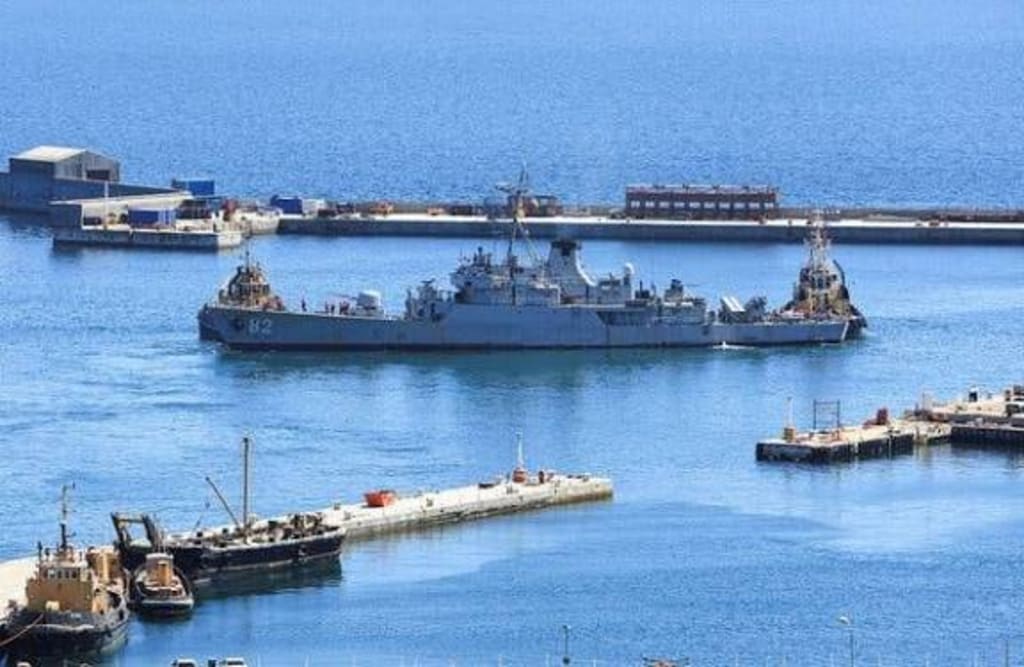
Military cooperation raises questions about alliances and regional security
South Africa is facing fresh scrutiny from the United States following recent naval drills conducted with Iran in the Indian Ocean. While South African officials emphasize the exercises were routine and aimed at strengthening maritime security, U.S. analysts and policymakers have expressed concern over the implications for international relations and regional stability.
The development comes amid heightened attention to Iran’s military presence and influence in global waters. The U.S. has historically been cautious about any nation participating in naval exercises with Tehran, citing security and strategic concerns. South Africa’s decision has sparked debate over balancing sovereignty, security interests, and international diplomacy.
The Naval Drills and Their Purpose
According to South Africa’s Ministry of Defence, the naval exercises focused on maritime safety, search and rescue operations, and anti-piracy measures. The drills involved multiple Iranian vessels and South African naval ships navigating the strategic waters of the Indian Ocean.
Officials stress that these exercises were not intended as a political statement and were aimed purely at improving operational skills and international cooperation in securing shipping lanes. Piracy and maritime crime remain significant challenges in the region, making such joint exercises relevant from a practical standpoint.
U.S. Concerns and Scrutiny
Despite South Africa’s assurances, the U.S. has flagged the drills as a potential issue. Washington is particularly cautious because of:
Iran’s involvement in broader geopolitical tensions
Concerns over the transfer of military knowledge and technology
The potential perception of South Africa aligning with nations opposed to U.S. interests
Analysts note that while South Africa is not under sanctions for its military cooperation, the optics of working closely with Iran can strain relations with Washington, a key ally in global security initiatives.
South Africa’s Position
South African officials have defended the exercises, highlighting that:
The drills were part of routine maritime collaboration
They focused on non-combat areas like search and rescue
South Africa maintains independent foreign policy decisions
Foreign Minister representatives emphasized that cooperation with multiple countries at sea is common practice, and engaging with Iran does not imply endorsement of all Iranian policies.
Regional and Strategic Implications
The Indian Ocean is a vital maritime corridor for global trade, including oil and gas shipments. Security in these waters is critical for regional and global stability. South Africa’s participation in drills with Iran may be viewed as:
Strengthening maritime security through multilateral exercises
Sending a message that the country pursues independent defense partnerships
Potentially complicating relationships with countries that have adversarial positions toward Iran
Some security experts suggest that while the exercises are technically defensive, perception matters as much as reality in international relations.
Historical Context
South Africa has a history of maintaining a non-aligned and independent foreign policy, often engaging with countries outside traditional Western alliances. During the Cold War, Pretoria navigated complex global dynamics while balancing domestic and international priorities.
The current naval exercises reflect this tradition of pragmatic engagement, aimed at enhancing capabilities without committing to political alignments.
Potential Impact on U.S.–South Africa Relations
While the naval drills are unlikely to cause an outright diplomatic rift, they may prompt:
Closer scrutiny of South African defense cooperation
Increased U.S. diplomatic engagement to clarify intentions
Discussions about how South Africa manages relationships with countries under international scrutiny
Some analysts warn that repeated engagements with Iran could lead Washington to reconsider strategic and military support initiatives, though this is still speculative.
Balancing Security and Diplomacy
South Africa’s government faces a delicate balancing act. On one hand, regional security requires cooperation with multiple partners, including Iran. On the other, South Africa must maintain good relations with major powers like the United States to ensure continued access to military technology, training, and strategic support.
The situation highlights the challenges nations face when pursuing independent foreign policies in a polarized geopolitical environment.
Public and Political Response in South Africa
Within South Africa, reactions are mixed. Some political commentators argue that engaging with Iran demonstrates sovereignty and pragmatism, while others warn that such actions could strain vital international partnerships.
Veterans and defense experts generally support naval readiness and skills development, emphasizing that the exercises improve operational capacity regardless of political context.
Looking Ahead
How the U.S. responds could set the tone for future South African defense cooperation. Key considerations include:
Transparency in military engagements
Clear communication about the non-political nature of exercises
Continued focus on maritime safety and anti-piracy efforts
Experts suggest that South Africa can maintain independent partnerships while mitigating political risks by emphasizing practical objectives and regional stability.
Conclusion
South Africa’s participation in naval drills with Iran has brought renewed scrutiny from the United States, underscoring the complex intersection of military cooperation, diplomacy, and international perception. While the exercises are officially focused on security and operational readiness, they highlight how even routine defense activities can carry political and strategic implications.
For South Africa, navigating this situation will require careful messaging, maintaining transparency, and balancing national interests with the expectations of global partners. The episode illustrates that in international relations, actions at sea often ripple far beyond the waters in which they occur.
About the Creator
Fiaz Ahmed
I am Fiaz Ahmed. I am a passionate writer. I love covering trending topics and breaking news. With a sharp eye for what’s happening around the world, and crafts timely and engaging stories that keep readers informed and updated.
Keep reading
More stories from Fiaz Ahmed and writers in The Swamp and other communities.
Food Sector Calls for Transition Period if UK and EU Agree Post-Brexit Rules Reset
Businesses warn that sudden changes could disrupt supply chains and raise food prices The UK food and drink sector is urging policymakers to introduce a transition period if the United Kingdom and the European Union agree to reset post-Brexit rules. Industry leaders say that while closer alignment could reduce long-term friction, sudden regulatory changes would place heavy pressure on producers, suppliers, and retailers already facing rising costs and tight margins. Since Brexit, the food sector has been one of the industries most affected by new trade barriers. From paperwork delays to higher compliance costs, businesses have struggled to adapt. A possible rules reset offers hope, but only if companies are given enough time to adjust. Why a Rules Reset Is Being Discussed Post-Brexit trade arrangements introduced new checks on goods moving between the UK and EU. These changes affected food more than many other sectors because of strict safety, hygiene, and animal health rules. Recent discussions between UK and EU officials suggest there may be room for: Reduced border checks Greater regulatory cooperation Simplified paperwork for agri-food products Supporters argue that these changes could improve food availability and ease pressure on supply chains. However, businesses caution that how the changes are introduced matters as much as the changes themselves. Why the Food Sector Wants a Transition Period Food producers and distributors operate on long planning cycles. Packaging, labeling, and safety standards are often set months or even years in advance. A sudden regulatory shift could leave businesses with: Non-compliant packaging Delayed shipments Increased waste Unexpected costs Industry groups stress that a transition period would allow companies to update systems gradually, train staff, and avoid unnecessary disruption. Without this buffer, even positive policy changes could have negative short-term effects. Supply Chains Remain Fragile The food sector is still recovering from multiple shocks, including the pandemic, energy price spikes, and labor shortages. Brexit-related changes added another layer of complexity. Many suppliers operate on thin profit margins. Even small disruptions at borders can delay deliveries of fresh food, increasing spoilage and costs. Businesses warn that abrupt rule changes could make the situation worse before it improves. A transition period, they argue, would help stabilize supply chains while new systems are put in place. Impact on Small and Medium-Sized Businesses Smaller food producers are particularly vulnerable. Unlike large corporations, they often lack dedicated compliance teams or legal experts. For these businesses, sudden changes to: Export certification Product labeling Ingredient sourcing can be overwhelming. Industry representatives say that without a clear transition plan, smaller firms may reduce exports or exit EU markets altogether. A phased approach would help protect diversity in the food sector and support regional producers. Consumer Concerns and Food Prices The food sector’s request is not only about business survival. Consumer groups warn that rushed changes could affect food prices and availability. If companies face higher short-term costs, those expenses may be passed on to shoppers. Delays at borders could also reduce the availability of certain products, especially fresh goods imported from the EU. A well-managed transition could help ensure that any long-term benefits of a rules reset do not come at the expense of consumers. Government Balancing Act For UK policymakers, the challenge is balancing political goals with economic reality. A closer relationship with the EU may offer practical benefits, but it also requires careful handling to avoid backlash from businesses and voters. Officials have indicated that any agreement would aim to reduce friction while maintaining regulatory independence. Industry leaders argue that independence does not have to mean instability. Clear timelines, guidance, and phased implementation would help build trust and allow businesses to prepare. Lessons From Previous Changes Businesses point to earlier post-Brexit changes as evidence of why caution is needed. The introduction of new border controls has been delayed multiple times due to concerns about readiness. These delays show that even well-planned systems can take longer than expected to implement. A transition period built into any new agreement would reflect these lessons and reduce the risk of disruption. EU Perspective on Transition From the EU’s perspective, a transition period could also be beneficial. Gradual implementation would allow authorities to: Test new processes Ensure compliance Avoid border congestion Mutual cooperation during a transition could improve trust and make long-term arrangements more effective. Trade experts note that successful agreements often include phased rollouts to ensure smooth adoption. What the Industry Is Asking For Food sector representatives are calling for: Clear timelines for any rule changes Detailed guidance well in advance A realistic transition period for compliance Ongoing dialogue between government and industry They stress that businesses are not resisting change, but asking for predictability and practicality. Conclusion The call for a transition period reflects the food sector’s desire for stability during a time of ongoing change. A post-Brexit rules reset between the UK and EU could bring long-term benefits, but only if implemented carefully. By allowing businesses time to adapt, policymakers can reduce disruption, protect consumers, and strengthen supply chains. As negotiations continue, the success of any agreement may depend less on what is decided and more on how smoothly it is put into practice.
By Fiaz Ahmed about 21 hours ago in The Swamp
Inside Trump’s Mother of All Climbdowns
For a politician built on bravado, defiance, and an image of never backing down, Donald Trump’s latest reversal has stunned allies and critics alike. Described by commentators as the “mother of all climbdowns,” the episode marks a rare moment where Trump appeared to retreat from positions he once championed with absolute certainty.
By Aarif Lashari6 days ago in The Swamp
A Better Greenland Deal: Redefining Arctic Diplomacy for the 21st Century
Greenland — that massive icy island up north — is suddenly back in the headlines. In early 2026, it became the center of an international stir, thanks to bold statements from U.S. leaders about its strategic value. What started as vague discussions about “total access” soon turned into diplomatic tension, protests in Copenhagen and Nuuk, and a worldwide debate about what a better Greenland deal should look like.
By Aqib Hussainabout 14 hours ago in The Swamp



Comments
There are no comments for this story
Be the first to respond and start the conversation.