
Weak Dollar Drives Gold Over $5,500 an Ounce for the First Time
Geopolitical Tensions and Currency Debasement Fears Fuel Historic Rally in Precious Metals
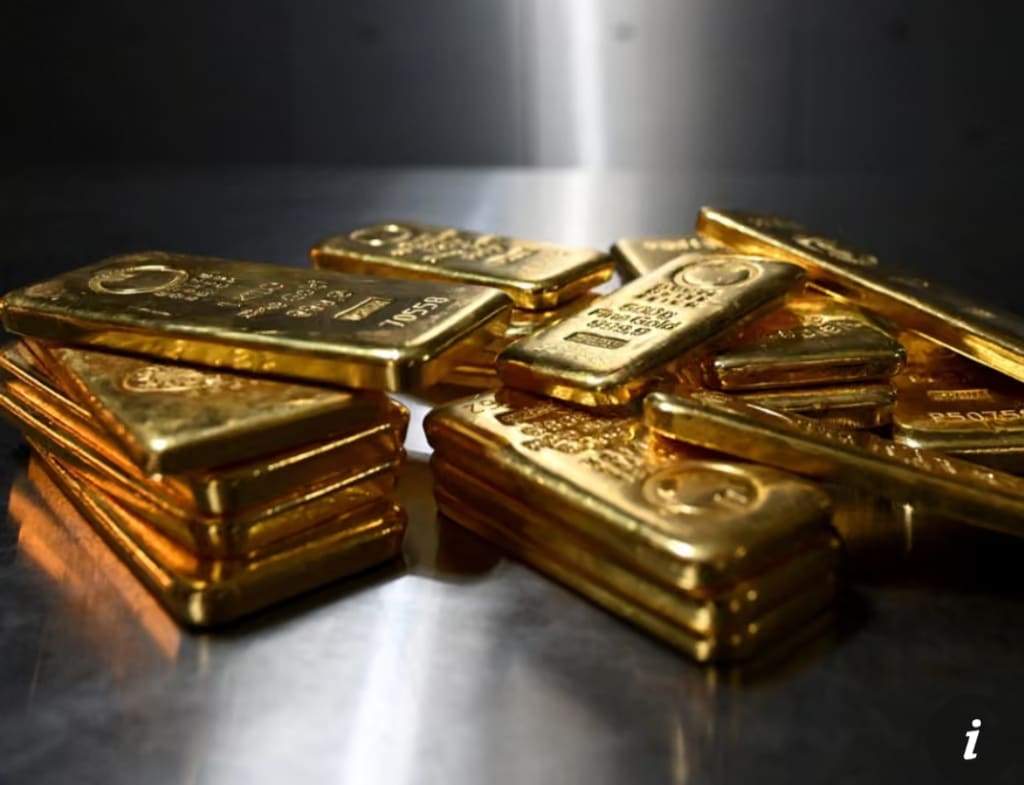
Gold prices have surged to an unprecedented $5,500 per ounce, marking a historic milestone for the precious metal as a weakening US dollar, rising geopolitical tensions, and deepening fears of currency debasement send investors rushing toward safe-haven assets. The dramatic rally underscores growing unease in global markets and signals a potential shift in how investors protect wealth during periods of economic uncertainty.
The move has captured the attention of central banks, institutional investors, and everyday savers alike, raising questions about whether this surge represents a temporary spike or the beginning of a longer-term revaluation of gold’s role in the global financial system.
The Dollar’s Decline and Its Impact on Gold
One of the primary drivers behind gold’s explosive rise has been the continued weakness of the US dollar. As the world’s dominant reserve currency, the dollar’s value plays a crucial role in global commodity pricing. When the dollar falls, gold—priced in dollars—becomes cheaper for foreign buyers, increasing demand and pushing prices higher.
Recent months have seen the dollar slide amid concerns over:
Expanding US fiscal deficits
Persistent inflation pressures
Expectations of future interest rate cuts
Investors increasingly view the dollar as vulnerable to long-term erosion, prompting a reallocation of capital into tangible assets like gold.
Geopolitical Risk Fuels Safe-Haven Demand
Beyond currency movements, geopolitical instability has added significant momentum to gold’s rally. Conflicts, trade tensions, and diplomatic standoffs across multiple regions have heightened global uncertainty, reinforcing gold’s reputation as a store of value during turbulent times.
Historically, gold tends to perform well when confidence in political and financial systems weakens. With global alliances under strain and international institutions facing credibility challenges, investors are seeking assets that exist outside the control of any single government.
This environment has proven ideal for gold, which offers perceived protection against systemic shocks.
Currency Debasement Fears Take Center Stage
Perhaps the most powerful force behind gold’s rise is growing concern over currency debasement. Massive government spending, quantitative easing, and rising debt levels have led many investors to question the long-term purchasing power of fiat currencies.
Central banks around the world have expanded their balance sheets aggressively in recent years, injecting liquidity into financial systems to support growth. While these measures have helped stabilize economies, they have also fueled fears that money is being created faster than real value.
Gold, with its limited supply and historical role as money, has become a hedge against this perceived erosion of currency value.
Central Banks Lead the Buying Frenzy
Central banks themselves have been among the biggest buyers of gold, adding to the upward pressure on prices. Many countries, particularly emerging economies, are seeking to diversify reserves away from the US dollar.
By increasing gold holdings, central banks aim to reduce exposure to geopolitical risk, sanctions, and dollar volatility. This institutional demand has provided a strong and steady foundation for gold’s rally, making it less dependent on speculative trading alone.
Analysts note that central bank buying signals a long-term shift rather than a short-term trade.
Investor Psychology and the Fear Factor
Investor sentiment has played a critical role in pushing gold past the $5,500 threshold. As prices climb, momentum-driven buying often accelerates, creating a feedback loop of rising demand.
Retail investors, watching headlines about record highs and economic instability, are increasingly turning to gold-backed ETFs, physical bullion, and mining stocks. The fear of missing out, combined with anxiety about inflation and financial market volatility, has intensified buying pressure.
This psychological component is a powerful force in commodity markets, particularly during periods of rapid price appreciation.
What Does This Mean for the Global Economy?
Gold’s historic rise sends a clear signal about the state of the global economy. While stock markets may continue to post gains, gold’s performance suggests deep underlying concerns about monetary stability and long-term growth.
Some economists view the surge as a warning sign that confidence in traditional financial systems is weakening. Others argue that gold is simply responding rationally to unprecedented fiscal and monetary conditions.
Either way, the metal’s rise highlights the growing divide between asset prices and economic fundamentals.
Risks of a Gold Correction
Despite the bullish momentum, analysts caution that gold markets are not without risk. Sharp rallies can be followed by corrections, especially if:
The dollar strengthens unexpectedly
Interest rates remain higher for longer
Geopolitical tensions ease
Profit-taking by large investors could lead to short-term pullbacks. However, many believe that even if prices retreat, the broader trend remains supportive of elevated gold values.
The Future of Gold in a Changing World
Gold crossing $5,500 an ounce may represent more than just a price milestone—it could mark a structural shift in how wealth is preserved in an era of economic transformation.
As trust in fiat currencies fluctuates and geopolitical uncertainty persists, gold’s role as a financial anchor appears to be strengthening. Whether prices continue to rise or stabilize, gold has reasserted itself as a central pillar of global finance.
Conclusion: A New Era for Safe-Haven Assets
The surge of gold above $5,500 an ounce reflects a world grappling with uncertainty, debt, and shifting power dynamics. Driven by a weak dollar, geopolitical risk, and fears of currency debasement, gold’s rally underscores its enduring appeal in times of instability.
As investors reassess risk and resilience, gold’s historic ascent may prove to be one of the defining financial stories of this era.
About the Creator
Keep reading
More stories from Aarif Lashari and writers in The Swamp and other communities.
Santander to Close 44 Branches and Put 291 Jobs at Risk
Santander has announced plans to close 44 branches across the UK, placing 291 jobs at risk and reigniting concerns about the rapid decline of physical banking services on the high street. The move is part of a wider restructuring strategy as the bank responds to changing customer habits, rising operational costs, and the accelerating shift toward digital banking.
By Aarif Lasharia day ago in The Swamp
Everyone’s Saying the Same Thing About Trump’s Board of Peace Logo
When former U.S. President Donald Trump unveiled the logo for his newly announced Board of Peace, it was meant to project authority, stability, and international cooperation. Instead, the logo quickly became the center of online debate, satire, and criticism. Across social media platforms, design forums, and political commentary spaces, people kept repeating the same observation: it looks suspiciously familiar.
By Muhammad Hassan4 days ago in The Swamp
Russia to Pause Attacks on Ukraine as Temperatures Plummet
Extreme cold leads to temporary reduction in hostilities, but challenges remain on both sides As temperatures across Ukraine plummet to record lows, reports indicate that Russian forces are temporarily pausing offensive operations in some areas. The extreme winter conditions have created difficult logistical and operational challenges, affecting both Russian troops and Ukrainian defenders. While this pause may offer temporary relief to civilians and frontline forces, experts caution that the broader conflict remains unresolved, and fighting could resume once conditions improve. Why the Pause Is Happening Military analysts point to several factors influencing Russia’s temporary halt: Severe cold: Temperatures in eastern Ukraine have dropped well below freezing, making movement of troops and vehicles difficult. Winter conditions also increase the risk of frostbite, hypothermia, and mechanical failures in military equipment. Supply chain difficulties: Extreme cold affects fuel, ammunition, and food supply lines, forcing militaries to slow operations or suspend attacks temporarily. Safety of personnel: Even experienced troops face increased risk during prolonged exposure to severe winter conditions. Commanders may pause offensives to preserve manpower. Ukrainian forces are also adjusting their strategies, using the pause to reinforce positions, repair equipment, and provide aid to civilians affected by the cold. Impact on Civilians For civilians living in conflict zones, the pause in Russian attacks is a mixed blessing: Immediate safety: Reduced shelling and airstrikes provide a temporary window for families to seek shelter, evacuate, or access humanitarian aid. Continued hardship: Many communities remain without electricity, heat, or running water due to damaged infrastructure. Cold temperatures exacerbate the humanitarian crisis, especially for elderly and vulnerable populations. Relief efforts: NGOs and government agencies are attempting to deliver food, medical supplies, and winter clothing, but access remains challenging in contested areas. Experts emphasize that even with reduced attacks, civilians cannot assume a lasting end to hostilities, as military operations could resume once the weather improves. Military Consequences The pause in operations has strategic implications: Opportunity for Ukrainian forces: Ukrainian troops may use the lull to fortify defensive positions, reposition troops, and resupply frontline units. Russian military planning: Russia may use this time to repair equipment, replenish stockpiles, and prepare for renewed offensives once winter conditions ease. Shift in tactics: Analysts predict that both sides may adjust strategies to account for seasonal limitations, including potential reliance on drones, long-range artillery, and smaller-scale operations during extreme cold. While the pause is temporary, it provides both sides an opportunity to assess capabilities and plan next moves. International Observations Global leaders and analysts are closely monitoring the situation. Some key points include: Diplomatic pressure: International calls for ceasefires often intensify during winter months, particularly when civilian populations face life-threatening conditions. Humanitarian coordination: Organizations like the United Nations and Red Cross are attempting to leverage the pause to deliver aid and assess needs on the ground. Media coverage: The temporary reduction in attacks has prompted discussions about the human cost of winter warfare and the broader trajectory of the conflict. While the pause may create a temporary reprieve, observers warn that long-term resolution remains uncertain, and renewed violence could occur without warning. Historical Context Winter conditions have historically influenced military campaigns in Ukraine and other northern regions: During World War II, both German and Soviet forces faced severe setbacks due to winter, including frozen rivers, stalled vehicles, and frost-related casualties. Modern warfare still faces similar challenges, as extreme cold affects mobility, communications, and medical support. Military historians emphasize that weather often plays a decisive role in the timing and intensity of offensives. What’s Next? Experts suggest that while the pause may temporarily reduce the immediate human toll, the conflict remains unresolved: Continued monitoring: Both Russian and Ukrainian forces are likely using this period to reassess positions and strengthen defenses. Humanitarian preparation: Relief organizations must act quickly to deliver supplies before renewed fighting disrupts aid routes. Strategic planning: Analysts predict that as temperatures rise and conditions improve, Russia may resume targeted attacks, while Ukraine prepares to counter them with improved strategies. The pause is not a ceasefire, but rather a tactical adjustment to extreme weather conditions. Civilians, soldiers, and international observers remain on high alert. Conclusion The announcement that Russia is pausing attacks in Ukraine due to plummeting temperatures provides a temporary break for frontline communities. It highlights the challenges of conducting military operations in extreme winter conditions and the human costs of prolonged conflict. While the cold offers a brief respite, experts emphasize that the strategic situation remains fragile. Both sides may resume offensive operations once weather conditions improve, and civilians continue to bear the brunt of the conflict. In the meantime, the pause serves as a reminder that nature itself can influence the course of modern warfare, offering fleeting relief and creating opportunities for both humanitarian and military planning.
By Fiaz Ahmed 27 minutes ago in The Swamp



Comments
There are no comments for this story
Be the first to respond and start the conversation.