
Washington Post Publisher Will Lewis Resigns Abruptly Amid Backlash Over Staff Cuts
The sudden exit of Will Lewis highlights growing tensions in modern newsrooms as media organizations struggle with financial pressures and newsroom morale.
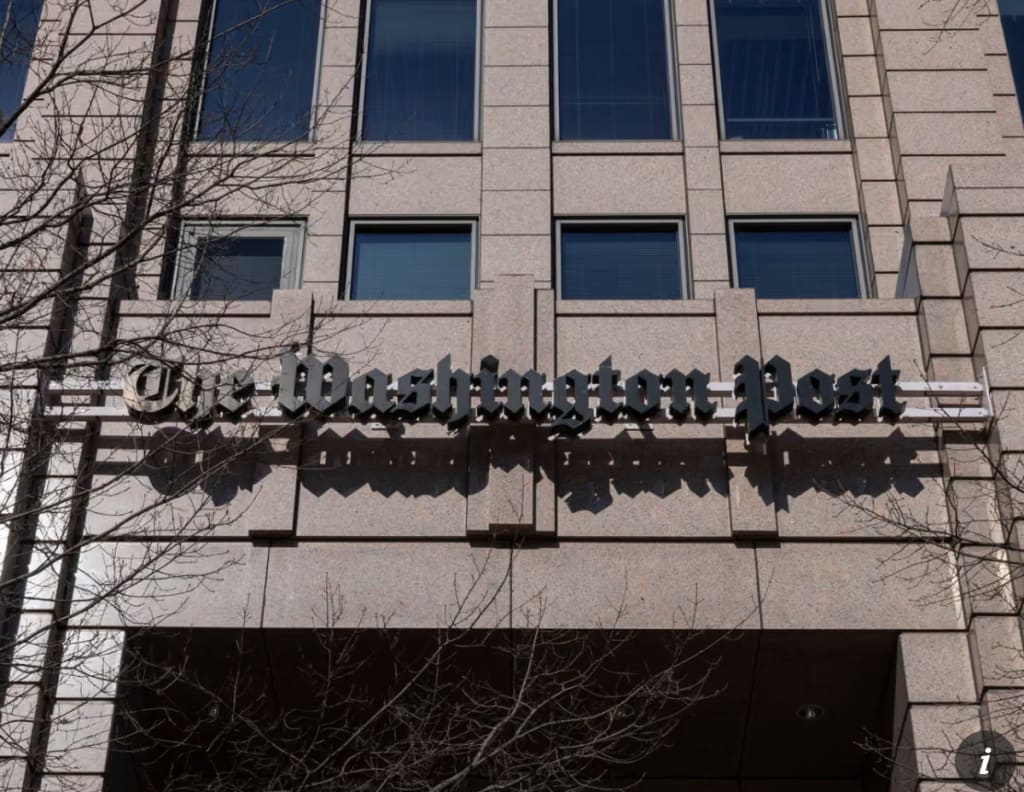
Washington Post Publisher Will Lewis Resigns Abruptly Amid Backlash Over Staff Cuts
The Washington Post, one of America’s most influential newspapers, has been rocked by the sudden resignation of its publisher, Will Lewis. His departure comes amid mounting criticism from staff members, media analysts, and journalism advocates over sweeping staff cuts and concerns about the newspaper’s future direction.
Lewis, who joined the Post in 2023, was brought in with a reputation as a seasoned media executive tasked with stabilizing the organization during a period of financial uncertainty. However, his leadership style and cost-cutting measures quickly sparked controversy, leading to tensions within the newsroom that ultimately culminated in his abrupt resignation.
A Sudden Exit That Raises Questions
The announcement of Lewis’s resignation surprised many within the media industry. While leadership changes are not uncommon in major news organizations, the timing and circumstances surrounding his exit have drawn intense scrutiny.
Lewis’s tenure was marked by efforts to reduce operational costs, including staff reductions, restructuring departments, and reassessing editorial priorities. Supporters argued that these measures were necessary to keep the newspaper financially sustainable in a rapidly changing media landscape. Critics, however, accused him of undermining journalistic quality and damaging morale among reporters and editors.
For many Washington Post employees, the resignation represents the culmination of growing frustrations over newsroom layoffs and uncertainty about the paper’s editorial future.
Staff Cuts Sparked Internal Backlash
One of the biggest points of contention during Lewis’s leadership was the reduction of newsroom staff. Over the past few years, traditional media outlets have struggled with declining print revenue, digital subscription challenges, and competition from social media platforms. As a result, many organizations have implemented layoffs to cut costs.
At the Washington Post, staff cuts reportedly affected journalists, editors, and support teams, raising concerns about the newspaper’s ability to maintain its high journalistic standards. Employees voiced worries that fewer reporters would lead to reduced investigative reporting, less coverage of important issues, and an overall decline in quality.
Some journalists publicly criticized the leadership, arguing that cost-cutting should not come at the expense of the newsroom’s mission to inform the public and hold powerful institutions accountable.
Financial Pressures on Modern Journalism
Lewis’s resignation reflects a broader crisis facing the global media industry. News organizations worldwide are grappling with declining advertising revenue, shifting audience habits, and the rise of digital platforms that dominate attention and advertising dollars.
Even prestigious newspapers like the Washington Post and The New York Times are not immune to these pressures. Maintaining large investigative teams and international bureaus is expensive, and digital subscriptions have not always compensated for the decline in traditional revenue streams.
Publishers and executives are often caught between financial realities and editorial ideals, leading to difficult decisions that can create friction within newsrooms.
Leadership Challenges at the Washington Post
The Washington Post has undergone significant changes since its acquisition by Amazon founder Jeff Bezos in 2013. Under Bezos, the paper expanded its digital presence, invested in technology, and increased its global reach. However, leadership transitions have been frequent, reflecting the challenges of managing a modern media organization.
Will Lewis’s role as publisher was to oversee business operations while supporting the editorial team. His resignation raises questions about the Post’s leadership structure and future strategy. It also highlights the delicate balance between business efficiency and journalistic integrity.
Reactions from Journalists and Media Experts
The reaction to Lewis’s resignation has been mixed. Some media analysts see his departure as a sign that the Washington Post is responding to internal concerns and may shift its approach to newsroom management. Others worry that the underlying financial challenges remain unresolved and that future leadership may face similar difficulties.
Journalists across the industry have expressed solidarity with Washington Post staff, emphasizing the importance of strong newsroom leadership that prioritizes both financial sustainability and journalistic excellence.
Media unions and advocacy groups have also pointed to the situation as an example of the pressures journalists face in an era of corporate consolidation and digital disruption.
What This Means for the Future of the Washington Post
The sudden resignation of a publisher is a major event for any news organization, and the Washington Post is no exception. The paper’s next steps will be closely watched by industry insiders, readers, and competitors.
Key questions remain unanswered:
Will the Post reverse or slow down newsroom cuts?
How will new leadership address financial challenges?
What strategy will the organization adopt to maintain its reputation for investigative journalism?
The answers to these questions will determine the newspaper’s trajectory in the coming years.
A Turning Point for the Media Industry
Will Lewis’s departure is more than just a leadership change—it is a reflection of the ongoing transformation of journalism. As newsrooms adapt to digital platforms, subscription models, and evolving audience expectations, tensions between business strategies and editorial values are likely to continue.
The Washington Post’s situation serves as a case study in the complexities of modern media management. It also underscores the importance of transparency, communication, and trust between leadership and newsroom staff.
Conclusion
The abrupt resignation of Washington Post publisher Will Lewis amid criticism over staff cuts marks a significant moment for the iconic newspaper and the broader media industry. While financial realities demand difficult decisions, the backlash highlights the critical role of journalists and the need to protect the integrity of newsrooms.
As the Washington Post moves forward, its leadership choices will shape not only its future but also the evolving standards of journalism in the digital age. Readers, journalists, and media observers alike will be watching closely to see how one of the world’s most respected newspapers navigates this pivotal moment.
About the Creator
Why Black History Matters in America?
The United States of America is celebrating their 250th anniversary in 2026. I'm proud to be an American and as someone who was born here, I wouldn't imagine myself living anywhere else. This is a country where opportunities are possible. Where anyone can be successful in anything they desire to do. Equality, community, and togetherness are the backbones of what America is and should be about. However, we have an administration who wants to erase and disregard those who have made positive, meaningful impacts in our country, specifically Black figures, such as Martin Luther King, Jr., Rosa Parks, and Maya Angelou. President Trump and his administration have been constantly complaining and fighting against what they call the "Woke agenda". They use this excuse as a distraction from other issues they refuse to address, such as the high cost of living, climate change, and inflation. That equality is dividing America, when in reality, it's bringing us together. Being woke is not tied to a specific political party. No matter where you stand on the political spectrum, you can still care about other people and their plights. Compassion and empathy for others isn't tied to a political party, either. We were taught as children to treat others the way we want to be treated and not judge others because they're different from us. Caring about others isn't a personal attack on your beliefs. It doesn't make you any less of a person. People who are easily offended over African American figures, past or present, or anything related to it, are grasping at straws. Current and future generations need to know who people like Harriet Tubman and Shirley Chisholm were, especially in the classroom. Black History is part of American History. It should be recognized, not hidden or forgotten. Besides, you can't shield children from everything, just because your feelings are easily hurt.
By Mark Wesley Pritchard 8 days ago in The Swamp
Disney World Confirms Imminent Closure of Orlando Theme Park
Introduction: A Shocking Announcement for Theme Park Fans In an announcement that has stunned Disney fans and the global tourism industry alike, Walt Disney World has confirmed the imminent closure of one of its Orlando theme parks. The decision marks a major turning point for a destination that has long been considered the crown jewel of family entertainment and tourism in the United States.
By Sajida Sikandarabout 7 hours ago in The Swamp
📢 Raise Your Voice Thread: 02/05/2026
Our “Raise Your Voice Threads” are hosted most alternating Thursdays at 12PM ET to offer creators more avenues to uncover exceptional stories on Vocal. As we are continuously searching for fresh creators and inspiring stories, this thread provides an opportunity to exchange and discuss the stories that have moved and motivated us on Vocal.
By Raise Your Voice by Vocal4 days ago in Resources



Comments
There are no comments for this story
Be the first to respond and start the conversation.