
Votes Being Counted in Uganda Election as Opposition Alleges Rigging
A Nation Awaits Results
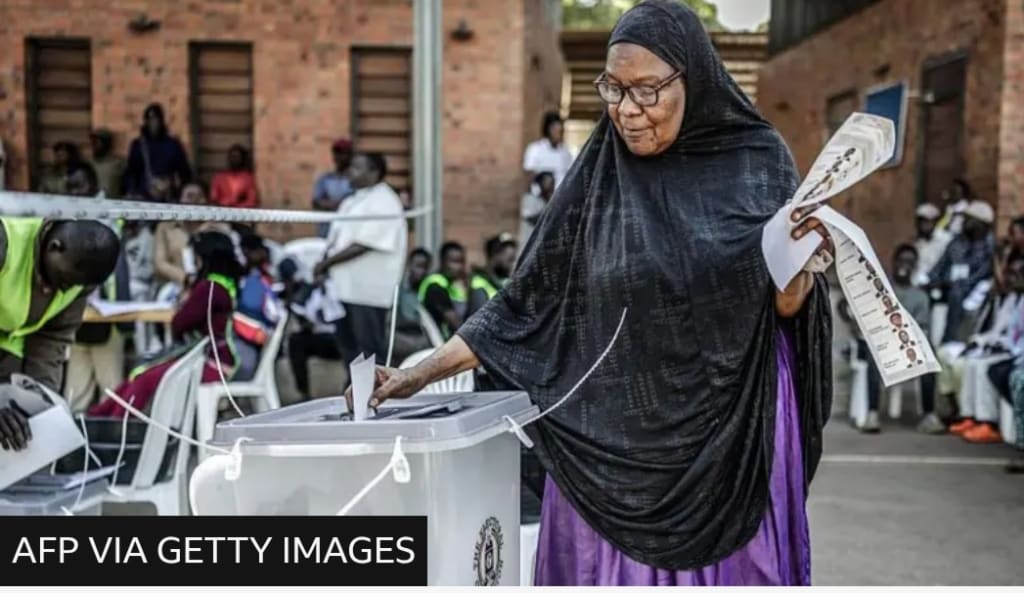
Uganda is at a critical political crossroads as votes are being counted in a highly contested election. The country has watched closely as citizens cast their ballots, and now the nation waits to see the outcome amid allegations of electoral malpractice.
The opposition party has claimed widespread rigging, accusing authorities of manipulating the process to favor the incumbent government. These allegations have sparked tensions and raised concerns among international observers and local communities about the integrity of the election.
The Stakes of the Election
Uganda’s election has drawn attention both domestically and internationally. With a population exceeding 45 million, the results will determine the future leadership, policies, and stability of the nation.
The main contest has been between the ruling party, led by President Yoweri Museveni, and opposition candidates who argue for reform and a change in leadership. Opposition supporters say the election is not just about governance but about democracy, transparency, and citizens’ rights.
Opposition Allegations of Rigging
Opposition leaders have been vocal about irregularities in the voting process, citing reports of ballot box tampering, voter intimidation, and limited access to polling stations in certain areas.
“We believe the results are being manipulated,” said one opposition spokesperson. “Ugandans deserve free and fair elections, and we will not remain silent if our votes are stolen.”
These allegations come after years of criticism of Uganda’s electoral process, with international observers warning of systemic issues that could undermine public trust in the results.
The Vote Counting Process
Vote counting in Uganda is currently underway, overseen by the Electoral Commission, which is tasked with ensuring transparency and fairness. However, opposition parties have expressed concerns about delays in reporting and inconsistencies in official tallies.
Observers are calling for patience and verification, emphasizing that premature announcements or unverified results could further inflame tensions and fuel public unrest.
Role of International Observers
International organizations, including the African Union (AU) and European Union (EU), have been monitoring Uganda’s election process. These observers are assessing whether the election meets international standards for fairness, transparency, and accessibility.
Early reports indicate mixed findings, with praise for citizen participation but concerns about media restrictions, voter intimidation, and irregularities in specific regions. The global community is watching closely, understanding that the election outcome could have regional implications for East Africa.
Public Reaction and Tensions
The announcement of alleged rigging has already caused protests and demonstrations in major cities like Kampala. Citizens have taken to the streets to demand accountability, calling for transparency in vote counting.
Security forces have reportedly been deployed in some areas to prevent unrest, raising concerns about clashes between law enforcement and protesters. Families and communities are caught in the middle, hoping for a peaceful resolution but fearful of escalating tensions.
The Historical Context
Uganda has a long history of contested elections, with previous voting cycles marked by protests, allegations of vote manipulation, and international scrutiny. President Museveni has been in power for over three decades, and opposition groups argue that prolonged rule has led to imbalanced political structures and limited electoral competitiveness.
Understanding this history is key to interpreting the current allegations, as citizens and opposition parties continue to push for reforms that ensure free and fair elections in the future.
Implications for Democracy and Governance
The current situation has significant implications for democratic governance in Uganda. Allegations of rigging, if substantiated, could undermine public trust in institutions, weaken voter confidence, and fuel political polarization.
Conversely, a transparent and verified counting process could strengthen democracy, enhance accountability, and build international credibility. The outcome will likely influence Uganda’s political stability, economic confidence, and social cohesion for years to come.
Looking Ahead
As votes continue to be counted, both local communities and the international community are urging patience and adherence to democratic principles. Advocacy groups stress that verification and transparency are essential to maintaining peace and preventing escalation.
For opposition parties, the focus remains on ensuring that every legitimate vote is counted. For the ruling party, the priority is to demonstrate the integrity of the process and avoid unrest. The delicate balance between these interests will shape Uganda’s immediate political climate.
Conclusion
Uganda’s election is more than just a political contest; it is a test of democratic resilience and public trust. With votes still being counted and allegations of rigging circulating, the nation faces a critical moment that will impact governance, stability, and citizens’ confidence in the electoral system.
As families, communities, and international observers await official results, one thing is clear: the eyes of the world are on Uganda, watching how the country navigates the challenges of transparency, accountability, and democratic fairness.
Whether the final outcome restores faith or deepens skepticism, the election highlights the fragile nature of democracy and the crucial role of public trust in governance.
About the Creator
Keep reading
More stories from Aarif Lashari and writers in The Swamp and other communities.
“The World Needs to Know What’s Happening”: Families of Protesters Killed in Iran Speak Out
In Iran, the voices of families mourning the loss of their loved ones have become powerful symbols of resilience and courage. After months of nationwide protests against government policies, numerous civilians have been killed, leaving behind grieving families who are now demanding that the world take notice.
By Aarif Lasharia day ago in The Swamp
Security Council LIVE: UN Raises Alarm Over Deadly Iran Protests and Possible Military Strikes
When the United Nations Security Council convened in an emergency session this week, the urgency was unmistakable. Iran is once again at the center of global concern — not only because of deadly nationwide protests, but also due to growing fears that international military action could further destabilize the Middle East. What began as domestic unrest has now evolved into a crisis with global implications, forcing world powers to confront difficult questions about human rights, sovereignty, and the dangerous line between diplomacy and force. A Nation in Turmoil Iran’s latest wave of protests erupted amid deepening economic distress. Spiraling inflation, currency collapse, unemployment, and rising food prices have pushed millions of Iranians to the brink. Demonstrations initially centered on economic grievances quickly transformed into broader expressions of anger toward political leadership and governance. Unlike previous protest movements, these demonstrations spread rapidly across multiple provinces, drawing participation from students, workers, shopkeepers, and even some traditionally conservative communities. Social media footage — despite severe internet restrictions — revealed crowds chanting slogans demanding accountability and systemic change. The government’s response, however, was swift and severe. Security forces were deployed across major cities, and reports from human rights organizations described mass arrests, lethal force against protesters, and widespread intimidation. Independent verification has been difficult due to media blackouts, but international observers estimate that thousands may have been killed or injured, with many more detained. Why the UN Stepped In As the death toll rose, pressure mounted on the international community to respond. At the request of the United States and several allies, the UN Security Council held a live emergency session to address the escalating crisis. UN officials warned that the situation in Iran posed not only a humanitarian emergency but also a threat to regional stability. The concern was twofold: the scale of violence against civilians and the increasingly aggressive rhetoric coming from outside Iran. Senior UN representatives emphasized that any talk of military strikes could worsen the situation, potentially leading to wider conflict in an already volatile region. The message from the UN was clear: restraint is essential — from both Tehran and the international actors watching closely. Military Rhetoric Raises Red Flags One of the most alarming elements discussed during the Security Council session was the growing speculation around possible military action. Statements suggesting that “all options remain on the table” were met with concern from UN officials, who warned that such language could escalate tensions beyond control. The Middle East remains deeply interconnected. Any military strike involving Iran could ripple outward — affecting energy markets, regional security, global shipping routes, and diplomatic alliances. UN leaders stressed that military solutions rarely protect civilians and often compound suffering. In moments like this, they argued, diplomacy is not weakness — it is necessity. Clashing Narratives at the Security Council The emergency meeting exposed deep divisions among world powers. Western nations condemned Iran’s handling of the protests, framing the crackdown as a gross violation of human rights. They argued that the scale of violence warranted international scrutiny and accountability. Iran’s representatives, however, rejected these claims, insisting that the unrest was being fueled by foreign interference and misinformation. Tehran accused Western governments of exploiting internal tensions to undermine Iranian sovereignty. Meanwhile, countries like Russia and China urged caution, warning against turning a domestic crisis into an international confrontation. They emphasized dialogue and non-interference, criticizing what they described as politically motivated pressure. The debate highlighted a familiar pattern at the Security Council: agreement on concern, but division on solutions. The Human Cost Behind the Headlines Lost amid diplomatic maneuvering are the lives of ordinary Iranians. Families searching for detained relatives, students afraid to return to classrooms, workers struggling to survive amid economic collapse — these are the realities driving the protests. Human rights groups have reported allegations of arbitrary detentions, lack of due process, and the targeting of journalists and activists. Several foreign governments have confirmed that their citizens were affected by the unrest, underscoring the international dimension of what might otherwise be seen as an internal crisis. For many Iranians, the protests are not about geopolitics or sanctions. They are about dignity, opportunity, and the right to be heard without fear. A Fragile Moment for Global Stability The UN’s intervention comes at a critical juncture. The combination of internal unrest and external pressure creates a volatile mix — one that history shows can spiral quickly if mismanaged. Officials repeatedly emphasized that escalation would benefit no one. Military confrontation could harden positions inside Iran, increase civilian suffering, and destabilize neighboring countries. At the same time, silence or inaction risks sending the message that large-scale repression can occur without consequence. Balancing these realities is one of the UN’s greatest challenges. What Comes Next? For now, the Security Council has stopped short of concrete action. Discussions continue around possible investigations, diplomatic engagement, and targeted sanctions. Whether these efforts will translate into meaningful change remains uncertain. What is clear is that the world is watching. Iran stands at a crossroads — between reform and repression, dialogue and defiance. The choices made in the coming weeks will shape not only the country’s future but also the stability of an entire region. As the UN warned during its live session, the cost of miscalculation could be catastrophic. Final Thoughts The Iran crisis is no longer just a domestic story. It is a test of the international community’s ability to respond to human suffering without igniting wider conflict. The UN’s alarm reflects a sobering truth: when protests turn deadly and military threats loom, the margin for error disappears. What happens next will depend on whether leaders choose restraint, accountability, and diplomacy — or allow fear and force to take the lead.
By Muhammad Hassanabout 7 hours ago in The Swamp


Comments
There are no comments for this story
Be the first to respond and start the conversation.