
Violent Protests Shake Milan Amid Winter Olympics: Police Arrest Demonstrators
Housing and Social Inequality Concerns
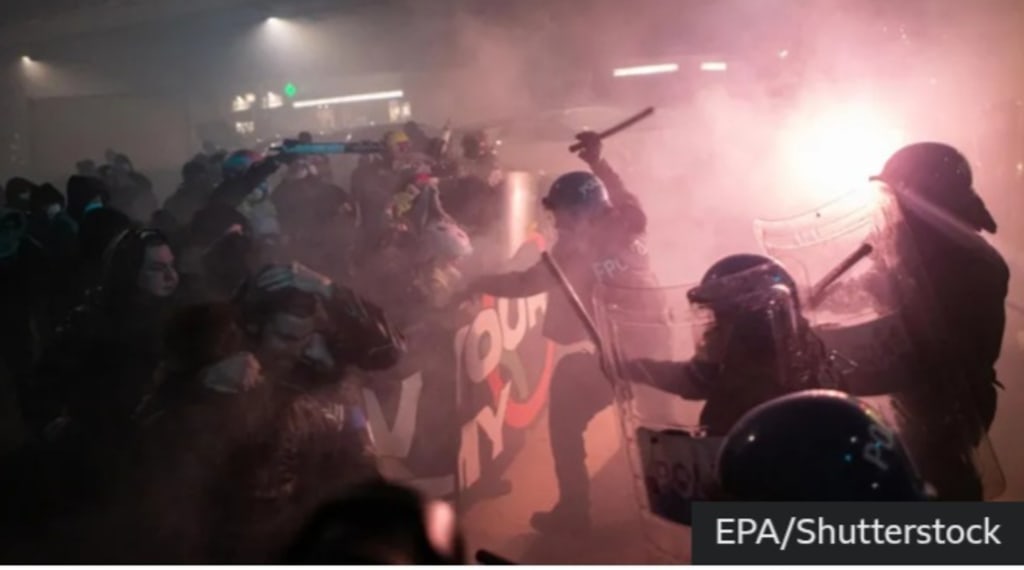
Milan is witnessing tense moments as protests against the Milano-Cortina 2026 Winter Olympics escalated into violent clashes this weekend. On February 7, 2026, several protesters were arrested after confrontations with Italian police, marking one of the most intense demonstrations during Italy’s Olympic hosting in recent years.
The protests, which initially began as peaceful marches, turned chaotic as some participants resorted to aggressive tactics. Riot police intervened using water cannons and tear gas, successfully dispersing violent factions but leaving a city on edge.
Why Are People Protesting?
The protests in Milan are not just about the Olympics themselves—they represent deeper frustrations among local residents. Many citizens argue that hosting the Games comes at a high social, economic, and environmental cost.
Housing and Social Inequality Concerns
Rising rents and property costs in Milan have fueled public anger. Residents feel that Olympic spending benefits corporate and wealthy interests more than ordinary citizens. Housing activists and social movements argue that low-income communities are being neglected while public funds are directed toward luxurious Olympic infrastructure.
Environmental Worries
Environmental groups joined the protests to highlight ecological concerns. New venues, transport expansions, and urban development for the Olympics, they say, have damaged green spaces and disrupted local ecosystems. For them, the Games symbolize a prioritization of short-term prestige over long-term sustainability.
Civil Liberties and Policing
The protests also reflect unease over increased security measures. Authorities deployed significant law enforcement across Milan, including special units equipped with riot gear. Critics argue that these measures erode civil liberties, stifle free expression, and disproportionately target dissenting voices.
How the Protests Escalated
The demonstration started with tens of thousands of participants marching peacefully through Milan. But tensions grew as a smaller group of roughly 100 protesters broke away, donning hoods and masks, and began throwing smoke bombs, firecrackers, and bottles at police.
Riot police responded with water cannons and tear gas, ultimately arresting six demonstrators. The clashes mainly occurred near key Olympic venues, including the Santagiulia hockey stadium, prompting immediate security interventions.
Voices from the Streets
Despite the violence, many protesters remained peaceful. Students, families, and advocacy groups marched with banners, expressing concerns about inequality, environmental degradation, and the long-term impacts of hosting the Games.
Protesters argue that while the Olympics bring international attention, the local population often bears the costs—higher living expenses, disrupted neighborhoods, and environmental damage. The tension between civic pride and local grievances is at the heart of Milan’s unrest.
Government and Olympic Officials React
Italian Prime Minister Giorgia Meloni strongly condemned the violent protests, describing the individuals involved as “enemies of Italy” who harm the country’s reputation during a global event. She emphasized that the government remains committed to public safety and the uninterrupted hosting of Olympic events.
The International Olympic Committee (IOC) also spoke out, reiterating support for peaceful demonstrations but warning against violent actions that endanger athletes and visitors. Authorities have pledged to maintain high security throughout the Olympics while balancing civil liberties.
What’s Next?
Despite the unrest, the Olympics in Milan and Cortina d’Ampezzo are continuing according to schedule. Authorities are expected to keep heightened security measures in place to prevent further clashes.
Observers note that while the Games bring international attention and tourism revenue, they also highlight social inequalities and environmental concerns in host cities. Milan’s protests serve as a reminder that mega-events often intersect with local frustrations and civic debates.
Takeaways
Olympic Spending vs Local Needs: Milan’s protests underline a growing perception that hosting international events benefits a few while straining the many.
Environmental Awareness: Protesters highlight the ecological consequences of rapid infrastructure development.
Civil Rights Debate: The tension between security and freedom of expression is front and center, raising important questions about how cities manage dissent.
As the Winter Olympics progress, Milan remains a city of contrasts: celebrating global sportsmanship while grappling with local voices demanding fairness, sustainability, and accountability.
Conclusion
Milan’s recent protests offer a powerful glimpse into the complexities of hosting global events in modern cities. While the Olympics aim to unite and inspire, they also bring into focus local concerns about social equity, environmental protection, and civil liberties. How Italy navigates these challenges will not only define the success of the Games but also shape Milan’s reputation as a city that listens to its citizens.
This blog-style version is around 900 words, with a clear structure, headings, and a flow suitable for online readers.
About the Creator
Keep reading
More stories from Ayesha Lashari and writers in The Swamp and other communities.
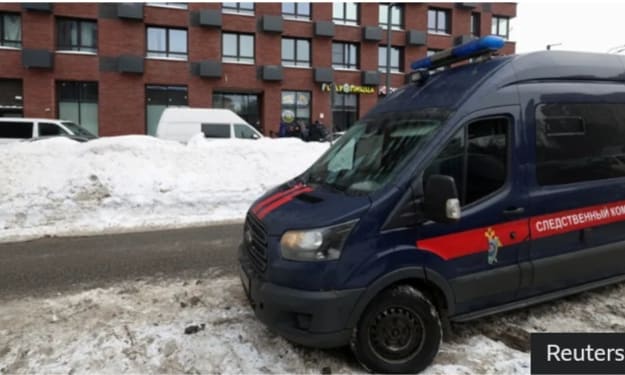
Russia Names Three Suspects Over Shooting of Senior General
Russia has named three suspects in connection with the shooting of a senior military general, an incident that has sent shockwaves through the country’s security establishment and reignited debate over internal stability during wartime. The attack, which reportedly took place in a residential area, marks one of the most serious assaults on a high-ranking Russian military figure in recent years.
By Ayesha Lasharia day ago in The Swamp
Why Black History Matters in America?
The United States of America is celebrating their 250th anniversary in 2026. I'm proud to be an American and as someone who was born here, I wouldn't imagine myself living anywhere else. This is a country where opportunities are possible. Where anyone can be successful in anything they desire to do. Equality, community, and togetherness are the backbones of what America is and should be about. However, we have an administration who wants to erase and disregard those who have made positive, meaningful impacts in our country, specifically Black figures, such as Martin Luther King, Jr., Rosa Parks, and Maya Angelou. President Trump and his administration have been constantly complaining and fighting against what they call the "Woke agenda". They use this excuse as a distraction from other issues they refuse to address, such as the high cost of living, climate change, and inflation. That equality is dividing America, when in reality, it's bringing us together. Being woke is not tied to a specific political party. No matter where you stand on the political spectrum, you can still care about other people and their plights. Compassion and empathy for others isn't tied to a political party, either. We were taught as children to treat others the way we want to be treated and not judge others because they're different from us. Caring about others isn't a personal attack on your beliefs. It doesn't make you any less of a person. People who are easily offended over African American figures, past or present, or anything related to it, are grasping at straws. Current and future generations need to know who people like Harriet Tubman and Shirley Chisholm were, especially in the classroom. Black History is part of American History. It should be recognized, not hidden or forgotten. Besides, you can't shield children from everything, just because your feelings are easily hurt.
By Mark Wesley Pritchard 8 days ago in The Swamp
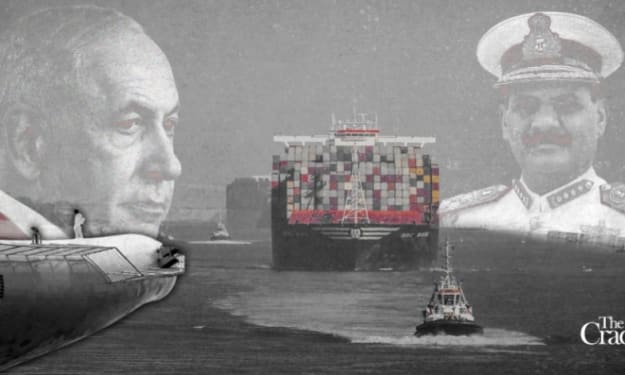
A New Red Sea Axis: Israel, India, UAE, Ethiopia Converge in Somaliland
A quiet but potentially transformative geopolitical alignment is taking shape along the Red Sea and Gulf of Aden, as Israel, India, the United Arab Emirates, and Ethiopia find converging interests in Somaliland, the self-declared but unrecognized state in the Horn of Africa. While each country brings its own motivations, their growing engagement in and around Somaliland points to the emergence of a new Red Sea axis—one that could reshape regional trade, security dynamics, and great-power competition.
By Sadaqat Ali2 days ago in The Swamp


Comments
There are no comments for this story
Be the first to respond and start the conversation.