
Venezuelan Immigrants Urge Appeals Court to Restore Deportation Protections
Legal challenge highlights uncertainty facing thousands of migrants as temporary protections remain under threat

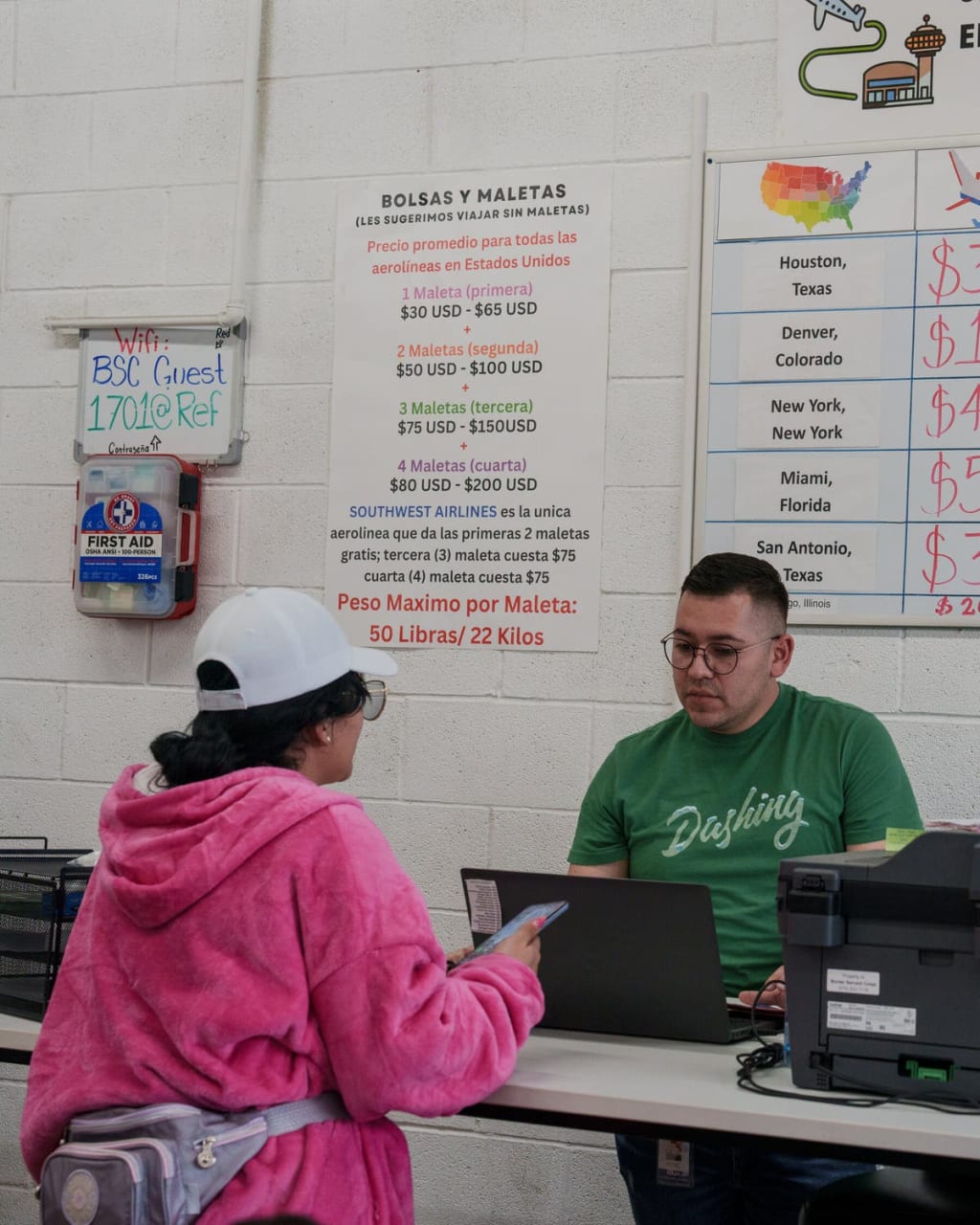
Thousands of Venezuelan immigrants living in the United States are urging a federal appeals court to restore deportation protections, warning that the loss of these safeguards could place vulnerable families at serious risk. The case has drawn national attention as immigration advocates, legal experts, and community leaders weigh in on the future of humanitarian protections for migrants fleeing political and economic turmoil.
At the center of the dispute is the potential rollback of temporary deportation relief that has allowed Venezuelan nationals to live and work legally in the U.S. while conditions in their home country remain unstable. Immigrant advocates argue that removing these protections would expose migrants to dangerous conditions and disrupt communities across the country.
Background of the Legal Challenge
The appeals court case stems from a broader legal battle over temporary deportation protections, commonly granted to nationals from countries experiencing war, political instability, or humanitarian crises. Venezuelan immigrants have benefited from such protections in recent years due to ongoing economic collapse, political repression, and widespread shortages in Venezuela.
These safeguards prevent deportation and allow eligible migrants to obtain work authorization. However, policy changes and legal challenges have placed the continuation of these protections in doubt, prompting immigrant groups to seek judicial intervention.
Attorneys representing Venezuelan immigrants argue that the termination of deportation relief violates both humanitarian principles and administrative law, particularly given the ongoing instability in Venezuela.
Conditions in Venezuela Remain Dire
Legal advocates emphasize that conditions in Venezuela have not significantly improved, making forced returns unsafe. The country continues to face severe inflation, food and medicine shortages, limited access to healthcare, and political unrest.
Human rights organizations have repeatedly documented concerns over arbitrary detentions, restrictions on free expression, and deteriorating living conditions. Immigrant advocates argue that deporting individuals back to such an environment would place them at serious risk of harm.
For many Venezuelan migrants, returning home is not a viable option. Families fear persecution, economic hardship, and the inability to access basic necessities.
Impact on Families and Communities
The potential loss of deportation protections has created widespread anxiety among Venezuelan immigrant communities. Many individuals have lived in the United States for several years, established careers, and enrolled their children in American schools.
Advocacy groups warn that ending protections could separate families, disrupt workplaces, and destabilize local economies. Venezuelan migrants are employed across a wide range of sectors, including healthcare, construction, hospitality, and education.
Community leaders stress that uncertainty surrounding immigration status also affects mental health, particularly among children who fear losing parents or being forced to relocate to unfamiliar and unsafe environments.
Arguments Presented to the Appeals Court
In their appeal, attorneys argue that the federal government failed to adequately consider current country conditions before moving to end deportation protections. They contend that immigration law requires a thorough assessment of humanitarian risks before terminating such relief.
Legal filings also highlight procedural concerns, including whether the decision-making process followed established administrative rules. Lawyers assert that abrupt policy changes without sufficient justification undermine fairness and legal stability.
The appeals court is being asked to either reinstate the protections or pause deportations while the case proceeds.
Government’s Position
Federal officials argue that deportation protections are intended to be temporary and subject to periodic review. The government maintains that it has the authority to reassess conditions and adjust immigration policies accordingly.
Supporters of the policy change say that immigration laws must be enforced consistently and that temporary protections should not become permanent without congressional action.
However, critics counter that humanitarian programs exist precisely to prevent deportations to unsafe environments and should remain in place until meaningful improvements occur in the affected country.
Broader Immigration Policy Debate
The case reflects a larger national debate over immigration enforcement versus humanitarian protection. Courts have increasingly become key battlegrounds as policy shifts face legal challenges from states, advocacy groups, and affected individuals.
Venezuelan migrants are among the fastest-growing immigrant populations in the U.S., making the outcome of the case especially significant. Legal experts say the ruling could influence future decisions regarding other immigrant groups facing similar protections.
The case also highlights the growing role of the judiciary in shaping immigration policy amid political gridlock.
What Comes Next
The appeals court has not yet issued a ruling, but its decision could have far-reaching consequences. If protections are restored, thousands of Venezuelan immigrants would gain temporary relief and continued work authorization.
If the court sides with the government, deportations could resume, prompting further legal action and potential appeals to higher courts.
In the meantime, advocacy groups continue to organize legal clinics, public awareness campaigns, and community support networks to assist affected families.
Conclusion
The effort by Venezuelan immigrants to restore deportation protections underscores the human stakes behind immigration policy decisions. As the appeals court considers the case, thousands of families remain in limbo, uncertain about their future in the United States.
The outcome will not only shape the lives of Venezuelan migrants but may also set a precedent for how humanitarian protections are applied in an evolving global migration landscape. For now, the case serves as a reminder that immigration law is deeply intertwined with human rights, stability and compassion.
About the Creator
Asad Ali
I'm Asad Ali, a passionate blogger with 3 years of experience creating engaging and informative content across various niches. I specialize in crafting SEO-friendly articles that drive traffic and deliver value to readers.
Too Much Screen Time May Be Shrinking Toddlers’ Vocabulary
Screens Are Everywhere—Even in Early Childhood In today’s digital world, screens are impossible to avoid. Smartphones, tablets, televisions, and smart devices are now part of everyday family life. For many parents, screens feel like a helpful tool—keeping toddlers entertained, calm, and occupied during busy moments. But child development experts are raising a growing concern: excessive screen time may be limiting toddlers’ vocabulary development. Language growth in the first few years of life is critical. These early words form the foundation for communication, learning, and social skills later on. When screens begin to replace human interaction, experts say, toddlers may miss essential opportunities to learn language naturally. Why the Toddler Years Matter So Much Between the ages of one and three, children experience rapid brain development. During this period, toddlers learn new words at an astonishing pace—often several each day. This learning happens best through real-life interaction, such as talking, singing, reading, and responding to facial expressions and gestures. Vocabulary doesn’t grow simply by hearing words. It develops through back-and-forth communication—when a toddler babbles, points, or asks questions, and an adult responds. These “serve and return” interactions are essential for building strong language skills. Screens, experts warn, cannot fully replicate this process. What Experts Are Warning About Pediatricians and child psychologists increasingly report a pattern: toddlers with high screen exposure often show delayed speech or smaller vocabularies compared to peers who spend more time in interactive play. The concern is not just about screens existing, but how much time they occupy. When screens dominate a toddler’s day, they can crowd out activities that naturally encourage speech, such as imaginative play, shared reading, and simple conversation. Experts emphasize that language learning is social by nature. A screen may talk at a child, but it rarely talks with them in a meaningful way. Passive Watching vs. Active Learning Not all screen time is equal. Educational programs are often marketed as language-boosting tools, but research suggests that passive viewing—where a child watches without interaction—offers limited benefits for toddlers. Even high-quality educational content struggles to replace real engagement. A video cannot adjust its responses to a child’s tone, interest, or confusion. It cannot pause to encourage a toddler to try a new word or celebrate their attempts at speech. In contrast, a caregiver can instantly respond, repeat words, simplify language, and provide emotional feedback—all crucial for vocabulary growth. The Hidden Cost of Background Screens One overlooked issue is background screen exposure. Even when a toddler is not actively watching, a TV playing in the background can reduce the amount and quality of conversation in the home. Studies show that adults tend to talk less to children when screens are on. Fewer words spoken by caregivers means fewer words heard by toddlers. Over time, this reduction can have a measurable impact on vocabulary size. In this way, screens affect language development indirectly as well as directly. Screen Time and Attention Skills Language learning requires focus. Toddlers need time to observe, listen, and process sounds. Fast-paced screen content—filled with quick cuts, bright visuals, and constant stimulation—can make it harder for young children to sustain attention during slower, real-world conversations. Experts worry that excessive screen exposure may condition toddlers to expect constant stimulation, making it more difficult for them to engage in activities like listening to a story or having a conversation. This doesn’t just affect vocabulary—it can influence broader learning habits later in life. What Do Experts Recommend? Health organizations and child development specialists generally advise very limited screen time for toddlers, especially under the age of two. When screens are used, they recommend: Choosing slow-paced, age-appropriate content Watching together with the child rather than leaving them alone Talking about what’s on the screen to turn it into a shared activity Balancing screen time with plenty of real-world interaction The goal is not to ban screens entirely, but to ensure they do not replace human connection. The Power of Simple Everyday Interaction The good news is that boosting a toddler’s vocabulary does not require expensive tools or structured lessons. Everyday moments are powerful learning opportunities. Talking through daily activities—like cooking, dressing, or walking outside—exposes toddlers to new words in meaningful contexts. Reading aloud, singing songs, and playing pretend games all encourage language use. Even short conversations, when repeated often, can have a lasting impact on vocabulary development. Parental Guilt vs. Practical Balance Many parents feel pressure or guilt around screen use. Life is busy, and screens often feel like a necessary break. Experts acknowledge this reality and stress that moderation matters more than perfection. The key is awareness. Understanding how screen time affects language development allows parents to make small, intentional changes—such as turning off background TV, setting screen-free times, or replacing some screen use with shared play. Language growth is resilient, especially when children are given consistent opportunities to interact and communicate. Looking Ahead: Why Early Vocabulary Matters A strong early vocabulary is linked to better reading skills, academic performance, and social confidence later in life. While screens will always be part of modern childhood, experts caution against letting them dominate the most important years for language development. Toddlers don’t just need words—they need people who talk, listen, and respond. No app or video can fully replace that human connection. Final Thoughts Excessive screen time may seem harmless, but experts warn it can quietly limit toddlers’ vocabulary by reducing meaningful interaction. The solution isn’t fear or strict bans—it’s balance. By prioritizing conversation, play, and shared attention, parents and caregivers can support healthy language development while still navigating a digital world. In the end, the most powerful learning tool a toddler has isn’t a screen—it’s a responsive, engaged human voice.
By Muhammad Hassan8 days ago in The Swamp


Comments
There are no comments for this story
Be the first to respond and start the conversation.