
US, UK, EU, Australia and More to Meet to Discuss Critical Minerals Alliance
Leaders aim to reduce dependence on limited global suppliers

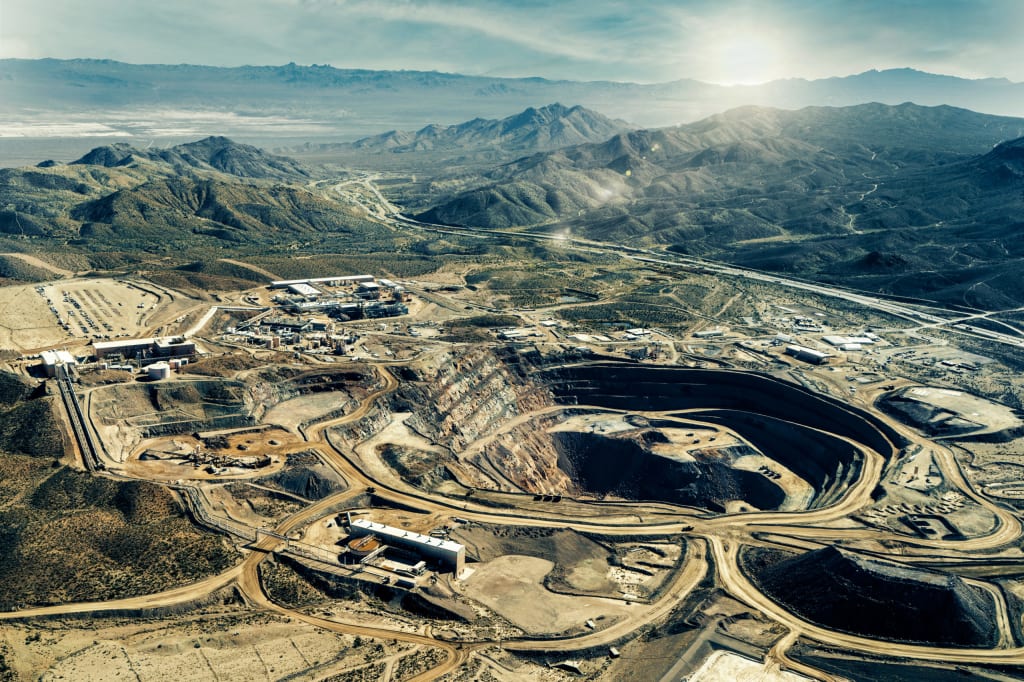
Senior officials from the United States, United Kingdom, European Union, Australia, and several allied nations are preparing to meet this week to discuss the creation of a new Critical Minerals Alliance, aimed at securing global supply chains for materials essential to modern technology and national security.
The talks come amid growing concerns over dependence on a limited number of countries for minerals such as lithium, cobalt, nickel, rare earth elements, and graphite — resources that are vital for electric vehicles, renewable energy systems, semiconductors, and military equipment.
Diplomats familiar with the meeting said the goal is to develop a coordinated strategy that ensures stable access to these materials while reducing exposure to geopolitical risks.
Why Critical Minerals Matter
Critical minerals form the backbone of the clean energy transition and advanced manufacturing. Lithium is used in batteries for electric cars and mobile devices, while rare earth elements are necessary for wind turbines, defense radar systems, and smartphones. Cobalt and nickel are key components in high-performance batteries and aerospace equipment.
Over the past decade, global demand for these minerals has surged as governments push for greener energy and digital transformation. However, supply remains highly concentrated. China currently dominates processing and refining of many rare earth elements, while several African and South American nations control large portions of mining output.
Western governments worry that political tensions or export restrictions could disrupt access to these materials, creating economic and security vulnerabilities.
“Critical minerals are no longer just an economic issue,” one European official said. “They are a strategic priority.”
Goals of the Alliance
According to draft proposals, the alliance would focus on three main objectives:
Diversifying supply chains by encouraging mining and processing projects in allied countries.
Sharing technology and investment to reduce costs and speed up development of new facilities.
Establishing environmental and labor standards for mineral extraction and processing.
Officials also plan to discuss joint financing mechanisms for projects in developing countries that are rich in mineral resources but lack infrastructure.
The initiative would build on existing frameworks such as the Minerals Security Partnership launched earlier by the United States and its partners, but aims to deepen cooperation and formalize long-term commitments.
Australia’s Strategic Role
Australia is expected to play a central role in the discussions due to its vast reserves of lithium, rare earths, and other key minerals. The country has already signed bilateral agreements with both the US and EU to support mineral supply chains.
Australian officials say cooperation with allies will help ensure that mining projects are not only profitable but also sustainable and transparent.
“We have the resources, but we need coordinated investment and processing capacity,” an Australian trade representative said.
Economic and Industrial Impact
The alliance could reshape global trade in critical minerals by encouraging more domestic and allied production rather than reliance on a single dominant supplier. Analysts say this may lead to higher short-term costs but greater long-term stability.
Industries such as electric vehicle manufacturing, renewable energy, and electronics are closely watching the talks. Companies fear that supply disruptions could slow production and raise prices for consumers.
At the same time, governments hope that the alliance will stimulate job creation through new mining, refining, and recycling projects in member countries.
Environmental and Social Concerns
While the push for new mining operations is seen as necessary, environmental groups have raised concerns about ecological damage and community displacement. Mining can pollute water supplies and damage fragile ecosystems if not properly regulated.
Alliance members are expected to emphasize responsible sourcing and transparency. Proposals include strict environmental guidelines and requirements for local community consultation before projects are approved.
Human rights organizations have also urged participating countries to avoid exploitative labor practices, particularly in regions where mining has historically involved unsafe working conditions.
Global Competition and China’s Response
China is not expected to take part in the meeting, but its dominance in mineral processing makes it a central factor in the alliance’s strategy. Officials say the effort is not designed to exclude any one country but to reduce overdependence.
Chinese analysts have criticized similar initiatives in the past as attempts to weaken China’s position in global supply chains. Beijing has previously signaled it could respond to restrictions by adjusting export policies for certain minerals.
This has raised concerns about potential retaliation and further fragmentation of global trade networks.
A Turning Point in Resource Diplomacy
Experts say the meeting marks a turning point in how nations view raw materials. Instead of leaving mineral supply entirely to markets, governments are increasingly treating it as a matter of national security and diplomacy.
“This is resource diplomacy for the 21st century,” said an international energy analyst. “Who controls critical minerals will shape the future of clean energy and technology.”
The discussions will also address recycling and reuse of minerals from old batteries and electronics, which could reduce the need for new mining over time.
What Comes Next
The meeting is expected to result in a joint statement outlining shared principles and next steps, including the creation of working groups and investment funds. While no binding treaty is likely at this stage, officials describe the talks as laying the foundation for long-term cooperation.
If successful, the Critical Minerals Alliance could become a cornerstone of global efforts to secure the materials needed for a low-carbon and technologically advanced future.
As competition for resources intensifies, the outcome of these talks may determine how resilient and sustainable global supply chains will be in the years ahead.
About the Creator
Fiaz Ahmed
I am Fiaz Ahmed. I am a passionate writer. I love covering trending topics and breaking news. With a sharp eye for what’s happening around the world, and crafts timely and engaging stories that keep readers informed and updated.
Keep reading
More stories from Fiaz Ahmed and writers in The Swamp and other communities.
Calls Grow in Iran for Independent Inquiry into Protest Death Toll
Pressure mounts on Tehran as families, reformists and rights groups demand transparency over disputed casualty figures As nationwide protests in Iran enter their third month, calls for an independent inquiry into the death toll of demonstrators killed during a bloody crackdown are gaining momentum inside the country and abroad. The issue has become one of the most contentious political flashpoints since the unrest began in late December, with official figures diverging sharply from independent estimates and activists demanding clarity and accountability. �
By Fiaz Ahmed about 3 hours ago in The Swamp




Comments
There are no comments for this story
Be the first to respond and start the conversation.