
Greenland’s Rising Role in Global Geopolitics: Shipping Routes, Hidden Minerals, and Superpower Rivalry
From Remote Arctic Territory to Global Hotspot
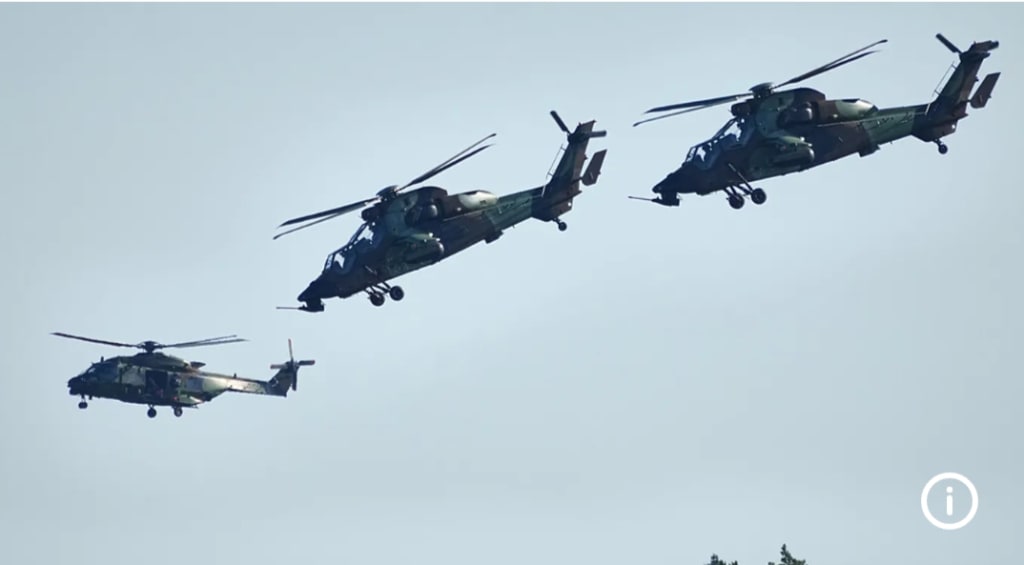
Once seen as a remote and largely isolated Arctic territory, Greenland is rapidly emerging as a focal point of global geopolitics. Driven by climate change, melting ice, and rapid technological advancement, the world’s largest island is transforming into a strategic hub defined by new shipping routes, vast mineral resources, and growing rivalry between major powers, particularly the United States and Russia.
As the Arctic opens up, Greenland’s geographic position and untapped potential are pushing it to the center of international attention. This growing focus raises complex questions about security, sovereignty, environmental protection, and sustainable development, placing Greenland at the crossroads of global interests.
Melting Ice and the Opening of New Shipping Routes
One of the most visible impacts of climate change in the Arctic is the steady reduction of sea ice, which is making previously inaccessible waters navigable for longer periods each year. This environmental shift has opened the door to new Arctic shipping routes, including passages near Greenland’s extensive coastline.
These routes offer significantly shorter travel distances between Europe, Asia, and North America. Compared to traditional shipping corridors such as the Suez Canal, Arctic routes can reduce transit times by thousands of kilometers, cutting fuel consumption, lowering costs, and reducing carbon emissions.
Greenland’s coastal waters are increasingly viewed as vital transit corridors and logistical support hubs for this emerging maritime network. However, expanded shipping also brings serious concerns, including the risk of oil spills, ship accidents, and the lack of robust emergency and rescue infrastructure in the harsh Arctic environment.
Hidden Mineral Wealth Beneath the Ice
Beyond shipping opportunities, Greenland holds significant reserves of critical minerals that are essential to modern technology and the global energy transition. These include rare earth elements, lithium, graphite, uranium, and other strategic resources used in electric vehicles, renewable energy systems, batteries, and advanced defense technologies.
As global demand for these materials continues to grow, Greenland is increasingly viewed as a potential alternative to mineral supply chains currently dominated by a small number of countries. This has heightened interest from Western governments and multinational corporations seeking to diversify sourcing and reduce strategic dependence.
However, mining in Greenland remains deeply controversial. The island’s harsh climate, fragile ecosystems, and cultural traditions make large-scale extraction both technically challenging and politically sensitive. Local communities and policymakers face the difficult task of balancing economic development with environmental protection and cultural preservation.
The United States’ Strategic Interest in Greenland
The United States has long considered Greenland strategically vital, primarily due to its location between North America and Europe. The US maintains a permanent military presence at Pituffik Space Base (formerly Thule Air Base), which plays a crucial role in missile early-warning systems and space surveillance.
In recent years, Washington has renewed its focus on Greenland as part of a broader Arctic strategy. This includes strengthening security cooperation, supporting infrastructure development, and working closely with Denmark, which retains responsibility for Greenland’s foreign and defense policy.
American interest is driven by several factors: protecting transatlantic security routes, countering rival powers in the Arctic, and ensuring access to critical minerals vital for future industries and national security.
Russia’s Expanding Arctic Ambitions
Russia views the Arctic as central to its long-term economic and military strategy. Over the past decade, Moscow has invested heavily in Arctic military bases, nuclear-powered icebreakers, and energy infrastructure, particularly along its northern coastline.
Although Greenland lies far from Russia’s core Arctic territories, developments on the island are closely monitored by Moscow. Greenland’s proximity to key North Atlantic shipping lanes and Arctic sea routes makes it strategically relevant in any broader confrontation between Russia and NATO.
As relations between Russia and the West remain tense, Greenland’s location places it near the intersection of competing military and strategic interests, further elevating its geopolitical significance.
Greenland Caught Between Global Powers
The growing attention from major powers places Greenland in a delicate position. While the island seeks greater economic independence and sustainable development, it must navigate complex political relationships with Denmark, the United States, and other international stakeholders.
Greenland’s leadership has emphasized the importance of maintaining control over its natural resources and ensuring that development projects benefit local communities. At the same time, increased geopolitical competition risks turning Greenland into a strategic chessboard rather than an equal partner in decision-making.
This balancing act is becoming increasingly difficult as Arctic competition intensifies.
Environmental and Social Challenges
Greenland stands on the front lines of climate change. Melting ice sheets contribute directly to global sea-level rise, while local communities face profound changes to traditional livelihoods such as fishing, hunting, and transportation.
The expansion of shipping and mining could bring jobs, infrastructure, and economic opportunity. However, it also threatens fragile ecosystems and raises concerns about pollution, habitat destruction, and long-term environmental damage.
Future development in Greenland will require careful regulation, strong international cooperation, and meaningful engagement with local communities to ensure progress does not come at an irreversible cost.
A Strategic Future Still Being Written
Greenland’s transformation from an isolated Arctic territory into a geopolitical hotspot reflects broader changes unfolding across the Arctic region. As climate change reshapes geography and global power dynamics evolve, Greenland’s importance will only continue to grow.
Whether the island becomes a model of sustainable development and cooperation—or a frontline of great-power rivalry—will depend on decisions made today. Greenland now stands as both an opportunity and a warning, highlighting the need for responsible governance in a rapidly changing world.
About the Creator
Keep reading
More stories from Aarif Lashari and writers in The Swamp and other communities.
RWE Secures Contracts for Difference for 6.9 Gigawatts of Offshore Wind Capacity in UK Allocation Round 7 and Agrees a Long-Term Partnership with KKR
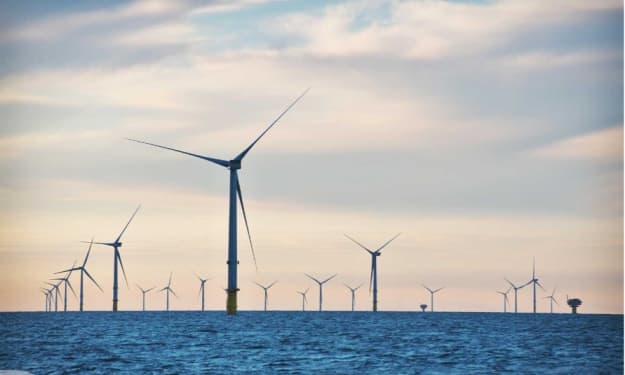
The United Kingdom’s renewable energy sector reached a significant milestone as RWE, one of Europe’s leading renewable energy companies, secured Contracts for Difference (CfDs) for 6.9 gigawatts (GW) of offshore wind capacity in UK Allocation Round 7 (AR7). Alongside this achievement, RWE also announced a long-term strategic partnership with global investment firm KKR, reinforcing confidence in the UK’s offshore wind market. This development highlights the UK’s continued leadership in offshore wind and signals strong investor confidence despite global economic challenges. Understanding the Contracts for Difference (CfD) Scheme The Contracts for Difference scheme is a key mechanism used by the UK government to support low-carbon electricity generation. It guarantees renewable energy developers a fixed price for the electricity they produce, protecting them from market volatility while ensuring consumers benefit from stable energy costs. By securing CfDs in Allocation Round 7, RWE has ensured long-term revenue stability for its offshore wind projects, enabling large-scale investment and timely project delivery. Scale and Impact of the 6.9 Gigawatts Offshore Wind Capacity The 6.9 GW of offshore wind capacity secured by RWE represents one of the largest allocations in the latest funding round. Once operational, these projects are expected to generate enough clean electricity to power millions of UK homes. This capacity will significantly reduce carbon emissions, lower dependence on fossil fuels, and contribute directly to the UK’s target of achieving net-zero emissions by 2050. Contribution to the UK’s Net-Zero and Energy Security Goals Offshore wind is central to the UK’s clean energy strategy, with a national goal of reaching 50 GW of offshore wind capacity by 2030. RWE’s successful bids in Allocation Round 7 make a substantial contribution toward this target. In addition to environmental benefits, these projects strengthen energy security by increasing domestic power generation and reducing exposure to global energy market volatility. Strategic Long-Term Partnership Between RWE and KKR Alongside its success in AR7, RWE announced a long-term partnership with KKR, a global investment firm with a strong track record in infrastructure and energy investments. This partnership combines RWE’s technical expertise in offshore wind development with KKR’s financial strength and investment capabilities, allowing both companies to scale projects efficiently and manage long-term risks. Boosting Investor Confidence in the UK Renewable Market The RWE–KKR collaboration sends a strong message to international investors about the attractiveness of the UK offshore wind sector. Despite challenges such as inflation, rising interest rates, and supply chain constraints, the UK remains a stable and competitive market for renewable energy investment. Such partnerships are crucial in maintaining momentum as global competition for clean energy capital intensifies. Economic Growth and Job Creation Opportunities Large-scale offshore wind projects bring wide-ranging economic benefits. From turbine manufacturing and port infrastructure to maintenance and engineering services, RWE’s projects are expected to support thousands of jobs across the UK. The long-term nature of these developments ensures sustained employment opportunities, particularly in coastal and industrial regions. Challenges Facing Offshore Wind Development While the announcement is largely positive, the offshore wind sector continues to face challenges, including rising construction costs, grid connection delays, and complex regulatory processes. However, the success of Allocation Round 7 demonstrates that with stable policy frameworks and strong private-sector partnerships, these challenges can be effectively managed. A Defining Moment for the UK Energy Transition RWE securing 6.9 GW of offshore wind capacity and entering a long-term partnership with KKR marks a defining moment in the UK’s clean energy journey. This achievement underlines offshore wind’s role as a cornerstone of the UK energy system, driving sustainability, economic growth, and long-term energy resilience.
By Aarif Lashari5 days ago in The Swamp
What Is the Old Name of Turkey? A Journey Through History, Empires, and Identity
When people hear the name Turkey, they often think of a modern nation bridging Europe and Asia, rich with culture, cuisine, and history. But Turkey’s land has carried many names long before it became the Republic of Türkiye in the 20th century. Understanding the old names of Turkey is more than a geography lesson—it is a journey through ancient civilizations, powerful empires, and shifting identities that shaped the world. Anatolia: The Earliest Known Name The oldest and most widely used historical name for much of modern-day Turkey is Anatolia. Derived from the Greek word Anatolē, meaning “the east” or “sunrise,” Anatolia referred to the lands east of mainland Greece. For ancient Greeks, this region was literally where the sun rose. Anatolia was not a single kingdom but a vast region that hosted some of the world’s earliest civilizations, including the Hittites, Phrygians, Lydians, and Urartians. Archaeological discoveries show that Anatolia was a cradle of early human settlement, agriculture, and trade, making it one of the most historically dense regions on Earth. Even today, historians and scholars frequently use “Anatolia” to describe Turkey’s Asian portion, which makes up about 97% of the country. Asia Minor: A Roman and Byzantine Label Another well-known old name for Turkey is Asia Minor. This term was popularized during the Roman and Byzantine Empires to distinguish the region from the larger continent of Asia. “Asia Minor” literally means “Lesser Asia,” emphasizing its role as a western extension of the Asian landmass. Under Roman and later Byzantine rule, Asia Minor became a hub of administration, commerce, and Christianity. Many early Christian communities, councils, and churches—mentioned in biblical texts—were located in this region. Cities like Ephesus, Smyrna, and Nicaea were central to religious and political life for centuries. Constantinople and the Byzantine Identity While the land itself had regional names, the capital city—Constantinople—often symbolized the entire territory. Founded by Roman Emperor Constantine the Great in 330 AD, Constantinople became the heart of the Byzantine Empire. For over a thousand years, the Byzantine Empire ruled much of what is now Turkey, blending Roman governance, Greek culture, and Christian theology. During this period, the region was not called Turkey at all, as the term “Turk” had not yet become dominant in Anatolia. The Arrival of the Turks and the Name “Turkey” The name Turkey comes from the word “Turk”, referring to the Turkic peoples who migrated from Central Asia. After the Battle of Manzikert in 1071, Seljuk Turks defeated the Byzantine army, opening Anatolia to Turkish settlement. Over time, European sources began referring to the region as “Turcia” or “Turkey,” meaning “the land of the Turks.” This marked a major shift in identity—from a Greco-Roman-Christian region to a predominantly Turkic and Muslim one. The Ottoman Empire: A Global Power Without the Name “Turkey” Interestingly, during the height of Turkish power, the state was not officially called Turkey. Instead, it was known as the Ottoman Empire, named after its founder Osman I. From the late 13th century until the early 20th century, the Ottoman Empire controlled vast territories across Europe, Asia, and Africa. Ottoman rulers referred to their realm as the Devlet-i Aliyye-i Osmaniye (The Sublime Ottoman State). However, European diplomats and writers still casually referred to the empire’s core lands as Turkey, reinforcing the name internationally. From Ottoman Empire to the Republic of Turkey After World War I and the collapse of the Ottoman Empire, Mustafa Kemal Atatürk led a successful independence movement. In 1923, the modern Republic of Turkey was officially established. This marked the first time “Turkey” became the formal name of the state, symbolizing a break from imperial rule and the beginning of a secular, nation-based identity. In recent years, the country has also emphasized the spelling “Türkiye” internationally to reflect its native pronunciation and cultural identity. Why These Old Names Still Matter The old names of Turkey—Anatolia, Asia Minor, Byzantine lands, and Ottoman domains—tell a story of continuity and transformation. They reveal how geography, culture, religion, and power shape national identity over time. Turkey is not just a modern nation-state; it is a living archive of human civilization. Each old name represents a chapter in its long and complex story, making Turkey one of the most historically layered countries in the world. Final Thoughts So, what is the old name of Turkey? The answer depends on the era. From Anatolia and Asia Minor to Byzantine territories and the Ottoman Empire, Turkey has worn many names—each reflecting the people and powers of its time. Understanding these names helps us appreciate Turkey not just as a country, but as a crossroads of civilizations that continues to influence global history today.
By Fiaz Ahmed Brohi5 days ago in The Swamp
Center Stage with Paul Stewart
*** I'm keen to republish the interviews I did for my series with Vocal creators. It's been a few years and I thought it might be nice to revisit these wonderful conversations. I'll be releasing them one at a time for a few weeks/months.
By Heather Hubler5 days ago in Interview


Comments
There are no comments for this story
Be the first to respond and start the conversation.