
US Seizes Oil Tanker off Venezuela as Caracas Condemns ‘Act of Piracy
A high-stakes maritime confrontation intensifies tensions between Washington and Caracas over oil, sanctions, and sovereignty.

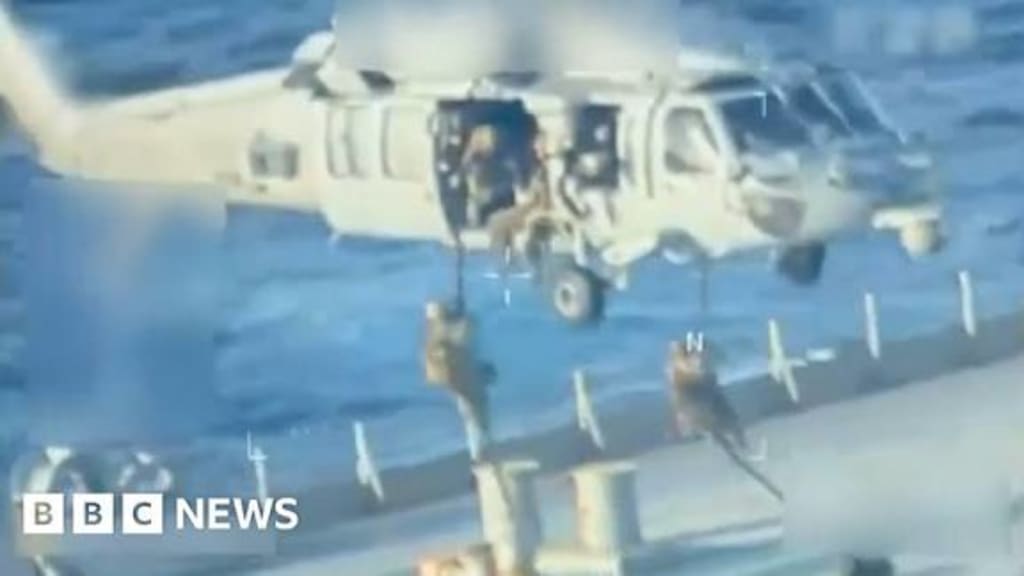
In a dramatic escalation of tensions in the Gulf of Venezuela, the United States government has reportedly seized an oil tanker in international waters near Venezuelan territory — a move denounced by Caracas as an “act of piracy.” The incident has stirred a firestorm of diplomatic protest, raised questions about maritime jurisdiction, and highlighted the persistent geopolitical friction surrounding Venezuela’s oil-rich waters.
Whether interpreted as a lawful enforcement action or an unlawful seizure, the confrontation underscores the fraught relationship between the U.S. and the Venezuelan government — one marked by sanctions, political rivalry, and competing claims to oil revenue and national sovereignty.
What Happened — A Seizure in Strategic Waters
According to U.S. officials, the oil tanker — identified as being linked to Venezuelan crude exports — was intercepted in waters they consider under international jurisdiction. The United States claims the action was taken to enforce sanctions tied to the Venezuelan government’s alleged unlawful practices, including revenue diversion and evasion of economic restrictions.
By contrast, Venezuelan authorities immediately denounced the move as an illegal seizure of a commercial vessel engaged in lawful activity. Caracas officials termed the action “piracy,” arguing it violated international law and infringed upon Venezuela’s sovereign rights over its natural resources and maritime borders.
The dramatic exchange highlights how oil — Venezuela’s most valuable export — remains at the heart of geopolitical rivalry, even as diplomatic ties between the two nations fluctuate.
Sanctions, Sovereignty, and Strategic Stakes
For more than a decade, Venezuela has grappled with economic and political pressure from the United States. Sanctions targeting the country’s oil sector — a mainstay of its economy — have sought to limit revenue streams to the Venezuelan state and its leadership. U.S. authorities argue that sanctions are intended to compel democratic reform and reduce corruption, while Venezuelan leaders maintain they are tools of economic coercion.
In this context, the recent interception of an oil tanker — a vessel potentially carrying crude intended for export — is seen in Caracas as the latest attempt to undermine Venezuela’s energy sector. Oil revenues have always fueled the nation’s budget and social programs, even amid economic crises. A seizure at sea, therefore, carries symbolic weight well beyond the value of the cargo.
International maritime law, which governs vessel rights, territorial waters, and enforcement actions, is complex. Nations may justify interceptions on the grounds of sanctions enforcement or suspected illicit activity, but they must also respect established rules about territorial sovereignty and freedom of navigation. The U.S. position likely hinges on sanctions enforcement, whereas Venezuela’s stance stresses violations of territorial integrity.
Caracas Condemns ‘Piracy’ — A Historic Refrain
State media and Venezuelan government spokespeople quickly condemned the U.S. action. Using charged language like “piracy” and “illegal aggression,” Caracas framed the incident as more than a commercial or legal dispute — casting it as a national affront. Foreign Ministry statements underscored the idea that Venezuela’s territorial waters and maritime rights were violated.
Such rhetoric isn’t unprecedented. In previous maritime disputes in the region, Venezuelan leaders have invoked international law to challenge interventions by foreign powers, particularly when involving energy assets. The terminology reflects decades of tension over resource control, economic influence, and national sovereignty.
Regional and Global Implications
The tanker seizure has implications that stretch beyond Caracas and Washington. Neighboring nations, international shipping interests, and energy markets are all sensitive to instability in oil export routes. A standoff between major powers over maritime enforcement can prompt reevaluation of shipping insurance, port calls, and tanker routes across the Caribbean and Atlantic.
Moreover, the incident could ripple into broader diplomatic arenas. Countries with ties to Venezuela’s government — including regional partners and other oil trading nations — may voice support for Caracas, calling for multilateral mediation or invoking international bodies like the United Nations or International Maritime Organization.
Diplomats and analysts alike are watching how global powers respond, particularly those with strategic interests in Latin America, energy markets, or international law enforcement.
What It Means for Ordinary People
For Venezuelans, the controversy comes amid ongoing economic hardship. Disruptions to oil revenues can affect government budgets, public services, and currency stability. A public dispute involving national resources may stir both national pride and public frustration.
In the United States, lawmakers and commentators are likely to debate the legality and strategic wisdom of seizing a foreign tanker. Supporters might argue sanctions enforcement is essential to uphold norms and pressure authoritarian governance. Critics may raise concerns about escalation, economic consequences, and lawfulness.
Conclusion — A Flashpoint in a Long-Standing Rivalry
The reported U.S. seizure of an oil tanker near Venezuelan waters — and Caracas’s blistering response — isn’t merely a maritime incident. It encapsulates decades of geopolitical tension, economic struggle, and differing interpretations of law and sovereignty.
Whether the episode leads to diplomatic negotiations, wider confrontation, or legal challenges in international forums remains to be seen. What is clear is that control over natural resources — especially oil — continues to be a defining element of modern global conflict.
About the Creator
Fiaz Ahmed
I am Fiaz Ahmed. I am a passionate writer. I love covering trending topics and breaking news. With a sharp eye for what’s happening around the world, and crafts timely and engaging stories that keep readers informed and updated.
Keep reading
More stories from Fiaz Ahmed and writers in The Swamp and other communities.
Ukraine Reports Large Russian Mechanised Assault in Battle for Pokrovsk
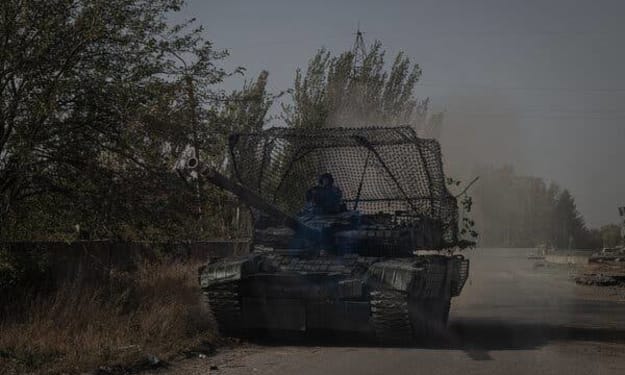
The war in Ukraine continues to unfold with intense ferocity, and one of the latest flashpoints is the battle for Pokrovsk—a city in eastern Ukraine whose control has significant strategic value. Ukrainian officials recently reported a large Russian mechanised assault on the city’s defenses, marking one of the most concentrated offensives in the region in recent months. The assault involved heavy armoured columns, artillery bombardments, and sustained clashes that have raised fears of civilian displacement and heightened tensions across the frontline.
By Fiaz Ahmed about a month ago in The Swamp
Google’s Gemini Sees Skyrocketing Business Sales
Artificial intelligence is no longer a futuristic concept reserved for tech giants and research labs. In 2026, AI has firmly planted itself at the center of everyday business operations — and Google’s Gemini is emerging as one of the biggest winners in this transformation. Over the past year, Gemini’s business sales have skyrocketed, signaling a major shift in how companies adopt, trust, and invest in AI-driven solutions.
By Muhammad Hassanabout 11 hours ago in The Swamp
A Dart at Dusk
Seconds ago, the sullen sun set on the two of us… my exuberant furry companion and me. A fresh breeze embraces us, delivering welcome relief from the day’s oppressive heat. His typical stumbling and staggering along — apace with a sloth — has turned into trip-trapping, high-stepping, almost skipping along.
By Angie the Archivist 📚🪶6 days ago in Petlife


Comments
There are no comments for this story
Be the first to respond and start the conversation.