
US Pushes for Ukraine-Russia Peace: Can War End by June?
Zelensky Says Washington Wants a Deal Soon as Fighting Continues
In a significant development in the nearly four-year-long conflict between Russia and Ukraine, Ukrainian President Volodymyr Zelenskyy revealed that the United States is pressing for a peace agreement to be reached by June 2026. The announcement comes amid continued military strikes, economic strain, and a global focus on ending one of the most devastating conflicts in recent European history.
According to Zelenskyy, U.S. officials have expressed their desire to see both Kyiv and Moscow reach a settlement before the start of summer. The move reflects Washington’s broader goal of stabilizing the region and preventing further escalation that could affect not only Ukraine and Russia but also the broader European and global security landscape.
A U.S.-Led Push for Peace
The United States has offered to host a round of trilateral peace talks between Russia and Ukraine, reportedly in Miami. The initiative aims to accelerate negotiations and create a structured timeline that encourages both sides to compromise on key issues. Zelenskyy confirmed that Ukraine is ready to participate, signaling a willingness to engage in high-stakes diplomacy.
“This is a serious effort, and the U.S. has made clear its commitment to helping us reach a peaceful resolution,” Zelenskyy said. He emphasized that Ukraine remains steadfast in protecting its sovereignty but recognizes the importance of dialogue in ending the human suffering caused by the war.
The planned talks would not only focus on immediate ceasefire arrangements but also tackle complex territorial, security, and political questions. Core issues such as Russia’s demand for control over parts of eastern Ukraine, including the Donetsk region, and Ukraine’s insistence on maintaining sovereignty, remain major sticking points. Additionally, management of critical infrastructure, such as the Russian-held Zaporizhzhia nuclear plant, poses further complications.
Ongoing Conflict Amid Diplomatic Efforts
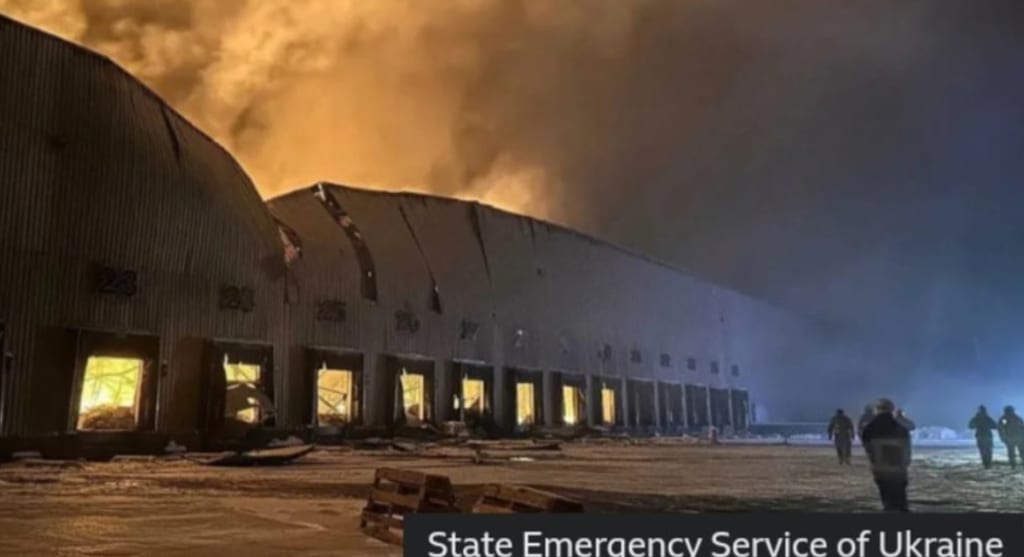
Despite these diplomatic overtures, fighting continues on multiple fronts. Russian airstrikes have targeted Ukraine’s energy infrastructure, particularly during the harsh winter months, exacerbating challenges for civilians and complicating peace efforts. Hospitals, schools, and residential areas have been affected by the attacks, highlighting the urgency for a negotiated settlement.
Local residents in affected regions have voiced frustration and anxiety over the uncertainty. Many communities, especially in eastern and southern Ukraine, are struggling with limited access to electricity, heating, and basic necessities due to damaged infrastructure. The human cost of the conflict remains immense, with thousands displaced and many more living under constant threat.
The Role of U.S. Politics
Analysts note that U.S. domestic politics could influence the June deadline for peace. With upcoming elections and international attention focused on Washington’s diplomatic stance, the administration’s push for resolution may reflect both strategic interests and humanitarian considerations. Diplomatic pressure on both Kyiv and Moscow is likely to increase as the proposed deadline approaches, emphasizing the urgency of negotiations.
The U.S. has historically played a mediating role in major international conflicts, leveraging its political influence, economic aid, and military partnerships to encourage compromise. In this case, the American government appears to be signaling a stronger push than in previous years, aiming for tangible results within a clear timeframe.
Global Implications
A successful peace agreement would have far-reaching consequences. For Europe, it could stabilize energy markets, reduce refugee flows, and strengthen regional security. For the U.S., it would demonstrate the ability to broker a major international settlement. Conversely, failure to reach an agreement could prolong the conflict, deepen humanitarian crises, and heighten tensions between Russia, the West, and other global powers.
The international community is closely monitoring these developments. European leaders have expressed support for renewed negotiations, while the United Nations has called for dialogue and restraint from all parties involved. Observers stress that, while diplomacy is critical, any agreement must ensure accountability, uphold human rights, and guarantee Ukraine’s territorial integrity.
Challenges to a Peace Deal
Despite optimism about the U.S.-led initiative, significant challenges remain. Russia continues to press for territorial concessions, while Ukraine’s leadership insists that any deal must safeguard national sovereignty and security guarantees. Both sides have reasons to distrust each other, and historical grievances complicate negotiations.
Experts caution that even if a deal is reached by June, implementation will be complex. Ceasefire agreements need monitoring, displaced populations must return safely, and infrastructure repair will require substantial international support. Furthermore, domestic opposition in both countries could influence leaders’ willingness to compromise on sensitive issues.
Hope Amid Uncertainty
Nevertheless, the June target provides a tangible goal for diplomats and negotiators. It creates momentum that could encourage creative solutions and compromise. Zelenskyy’s willingness to engage with U.S.-facilitated talks reflects a pragmatic approach to ending the human suffering caused by years of war.
Communities across Ukraine continue to demonstrate resilience, with volunteers, local organizations, and emergency services providing relief and support to those affected by conflict. International aid agencies are coordinating efforts to ensure that humanitarian assistance reaches the most vulnerable, even as fighting persists.
Looking Ahead
As the world watches, the coming months will be crucial. Will Russia and Ukraine rise to the diplomatic challenge and achieve a ceasefire by June? Or will continued military action and political disagreements derail efforts for peace? The answers will not only shape the future of Eastern Europe but also influence global perceptions of diplomacy, conflict resolution, and the role of powerful nations like the United States in mediating crises.
For now, Zelenskyy and U.S. officials remain committed to the goal. Their message is clear: time is short, the stakes are high, and the world is watching. For millions of Ukrainians enduring hardship and displacement, a June peace deal could be the first real step toward rebuilding their lives and restoring stability to a war-torn nation.
Conclusion
The U.S. push for a June deadline highlights the growing urgency to end the conflict between Russia and Ukraine. While diplomatic challenges and ongoing fighting present serious obstacles, the proposed timeline offers hope for a resolution that could benefit both countries and the international community. In a war marked by destruction and uncertainty, the possibility of peace is a goal worth striving for — and the coming months may determine whether that goal becomes reality.Start writing...
About the Creator
The Saddest Thing - The Billionaires Who Rule America Aren't Even Enjoying Themselves
This single post says more about our ruling class than a thousand policy papers. The saddest thing about today's system is that the men robbing the rest of us - sabotaging our economic prospects, our pensions, our access to affordable healthcare - are not even happy.
By Scott Christenson🌴5 days ago in The Swamp
US Healthcare Needs Fixing, But There’s No Agreement on How to Do It
Few issues unite Americans more than the belief that the nation’s healthcare system is deeply flawed. Rising costs, uneven access, and persistent gaps in quality have left patients, providers, and policymakers frustrated. Yet despite broad consensus that reform is necessary, there is little agreement on what that reform should look like. Political divisions, economic interests, and ideological differences have made healthcare one of the most contested and complex policy arenas in the United States. A System Under Strain The United States spends more on healthcare per person than any other developed nation, yet millions remain uninsured or underinsured. Even those with coverage often face high deductibles, surprise bills, and limited provider networks. Hospitals struggle with staffing shortages, while rural communities see clinics close due to financial pressure. The COVID-19 pandemic exposed many of these weaknesses. Overcrowded hospitals, inconsistent access to testing and treatment, and confusion about insurance coverage highlighted systemic vulnerabilities. While emergency measures temporarily expanded coverage and funding, many of those programs have now expired, renewing concerns about long-term sustainability. Patients increasingly report delaying care due to cost. Prescription drug prices remain a major burden, particularly for older Americans and those with chronic illnesses. These realities have intensified calls for reform across the political spectrum. Competing Visions for Reform Despite agreement on the problem, proposed solutions vary dramatically. Progressives advocate for a government-run or single-payer healthcare system that would guarantee coverage to all Americans. They argue that healthcare is a human right and that removing profit motives would reduce costs and improve equity. Moderates favor building on the existing system created by the Affordable Care Act (ACA), expanding subsidies, strengthening public insurance options, and regulating private insurers more aggressively. This approach seeks gradual improvement without dismantling private coverage. Conservatives, meanwhile, emphasize market-based reforms. They propose reducing government regulation, increasing competition among insurers and providers, and allowing consumers more choice. Supporters argue that innovation and competition would lower costs and improve quality over time. These sharply different philosophies reflect deeper disagreements about the role of government in American life. For some, healthcare reform is about social justice; for others, it is about economic freedom and efficiency. The Power of Interest Groups Another obstacle to consensus is the influence of powerful healthcare industry stakeholders. Insurance companies, pharmaceutical firms, hospital systems, and professional associations all have vested interests in shaping reform efforts. Lobbying has played a major role in slowing or reshaping proposed legislation. Efforts to control drug prices, for example, have faced fierce resistance from pharmaceutical companies that argue such measures would limit research and innovation. Hospitals worry that reimbursement cuts could force closures, particularly in underserved areas. These competing pressures make it difficult for lawmakers to craft policies that satisfy both public demands and industry concerns. Federal vs. State Approaches The divide between federal and state authority further complicates reform. Some states have expanded Medicaid and experimented with innovative coverage models, while others have resisted federal programs entirely. This patchwork system results in unequal access depending on where a person lives. A low-income resident in one state may qualify for comprehensive coverage, while a similar individual in another state may remain uninsured. Critics argue that healthcare should not depend on geography, while defenders of state autonomy say local governments are better positioned to tailor solutions. Public Opinion Is Fragmented Surveys show Americans want lower costs and better access, but opinions diverge on how to achieve those goals. Many support protections for preexisting conditions and limits on drug prices, yet fewer agree on sweeping structural change. Fear of disruption plays a role. Millions receive insurance through employers and worry that major reform could jeopardize coverage they depend on. Others distrust government-run systems, citing concerns about bureaucracy and long wait times. This uncertainty creates political risk for lawmakers, who face backlash regardless of the path they choose. Technology and the Future of Care While political debates stall, technology is reshaping healthcare delivery. Telemedicine, artificial intelligence, and digital health records promise improved efficiency and access, particularly for rural and elderly patients. However, these innovations also raise new challenges related to privacy, regulation, and inequality. Not all Americans have access to reliable internet or digital tools, potentially widening disparities rather than closing them. Experts argue that technological progress must be paired with thoughtful policy reform to ensure benefits are shared equitably. A System at a Crossroads The inability to reach agreement has left the US healthcare system in a state of limbo. Incremental changes continue, but comprehensive reform remains elusive. Each election cycle revives the debate, with healthcare consistently ranking among voters’ top concerns. Without consensus, the system risks becoming more fragmented and expensive. Yet any attempt at major reform will require political courage and compromise across ideological lines. Conclusion The United States agrees on one thing: its healthcare system needs fixing. Where it disagrees is on how to do it. Competing visions, powerful interest groups, and public uncertainty have stalled meaningful progress. Until leaders find common ground, millions of Americans will continue navigating a system that is costly, confusing, and unequal. The challenge ahead is not just designing better policy, but rebuilding trust that reform can improve lives without creating new fears. Healthcare remains both a moral question and a political battleground. Whether consensus can be achieved may define the next chapter of American public policy—and determine whether the promise of affordable, accessible care can finally become reality.
By Fiaz Ahmed 6 days ago in The Swamp
Analyse this!
Wanna know how to improve your writing? There is a simple, quick, tried and tested method. Tried and tested by who? By me, as it happens, and I can guarantee that it will work for you. I know what I am talking about. Not always, of course, but certainly in this case.
By Raymond G. Taylor4 days ago in Writers



Comments
There are no comments for this story
Be the first to respond and start the conversation.