
US Bank Stocks Fall as Investors Await Credit Card Rate Cap Deadline
Market Volatility Intensifies Ahead of Key Regulatory Decision

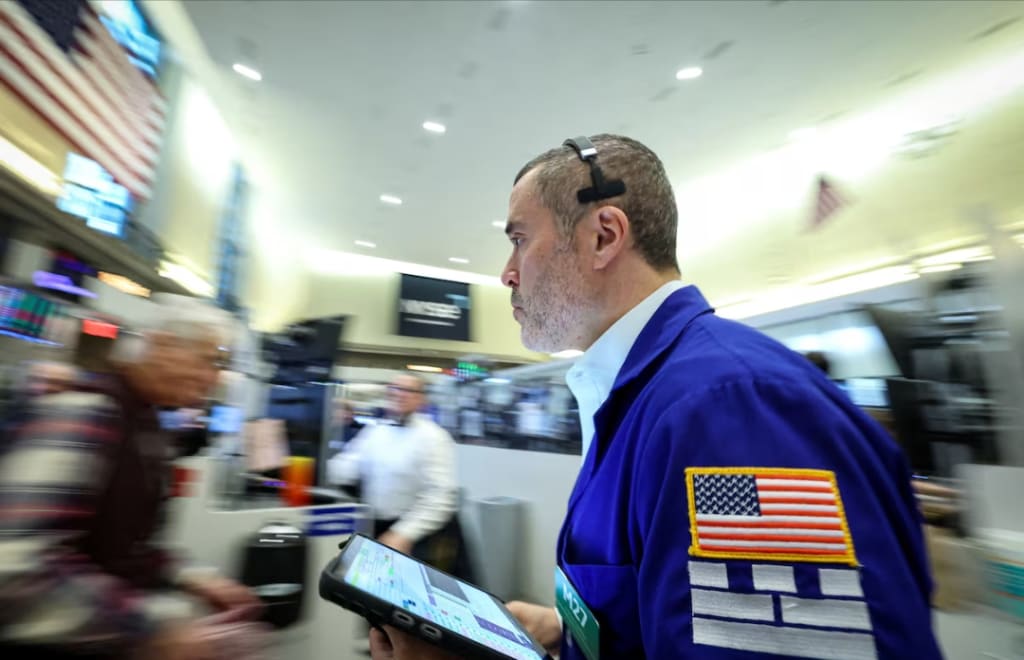
U.S. bank stocks fell sharply this week as investors anxiously await the impending deadline for a new credit card rate cap. The financial community is closely monitoring regulatory developments, concerned that the cap could have broad implications for lending profitability and the overall health of the banking sector.
The rate cap, which is set to take effect soon, aims to limit the maximum interest rates that banks can charge on credit cards. Lawmakers and regulators have framed the measure as a consumer protection initiative designed to reduce financial strain on borrowers. However, critics argue that the cap may squeeze bank earnings, leading to tighter credit conditions and potential reductions in lending availability.
As the deadline approaches, market volatility has intensified. Shares of major U.S. banks, including JPMorgan Chase, Bank of America, and Citigroup, have experienced significant declines, reflecting investor anxiety over the potential impact on revenue streams. Analysts note that credit card interest rates are a critical component of bank profitability, and any reduction could materially affect earnings forecasts.
Investors are particularly focused on the potential trade-offs associated with the rate cap. While consumers may benefit from lower interest charges, banks may respond by limiting the issuance of new credit cards, tightening lending standards, or increasing fees elsewhere. These adjustments could alter the landscape of personal lending and influence broader economic activity.
The uncertainty surrounding the rate cap has prompted market participants to reassess risk exposure in the banking sector. Hedge funds and institutional investors are reportedly shifting positions, with some reducing holdings in bank stocks while reallocating to sectors perceived as less sensitive to interest rate regulation. This reallocation reflects a cautious approach as financial markets digest the potential implications of regulatory action.
Regulators argue that the cap is necessary to prevent excessive consumer debt burdens, particularly in an environment of rising inflation and living costs. Credit card debt in the U.S. has surged in recent years, with many households relying on high-interest borrowing to meet day-to-day expenses. The rate cap is intended to alleviate some of this financial pressure while encouraging responsible lending practices.
Despite regulatory intentions, some banking experts warn that the timing of the rate cap could coincide with broader economic pressures, including elevated interest rates, slowing consumer spending, and potential credit market tightening. These factors collectively heighten investor concerns and contribute to stock price declines in the financial sector.
Market analysts are closely watching the responses of individual banks to the impending cap. Many large institutions have already begun modeling potential revenue impacts and exploring strategies to mitigate losses. Options under consideration include adjusting reward programs, increasing annual fees, or shifting focus toward other lending products such as mortgages or auto loans. Each approach carries its own risks and may influence investor sentiment as banks seek to maintain profitability.
The decline in bank stocks also reflects broader market anxiety regarding interest rate policy. With the Federal Reserve maintaining elevated rates to combat inflation, banks face a delicate balancing act between maintaining lending margins and complying with regulatory caps. Any miscalculation could influence investor confidence and affect stock valuations.
Some economists suggest that the rate cap could have long-term implications beyond immediate profitability. By limiting credit card rates, regulators may influence consumer borrowing behavior, savings patterns, and overall economic activity. While lower rates may benefit consumers in the short term, reduced bank incentives for lending could constrain credit availability, particularly for higher-risk borrowers. This dynamic underscores the interconnected nature of regulatory policy, banking profitability, and economic growth.
Financial news outlets have highlighted increased trading volumes in bank stocks as the deadline approaches. Investors are closely analyzing earnings reports, forward guidance, and regulatory commentary to gauge potential impacts. The market’s reaction illustrates the sensitivity of bank equities to policy shifts and underscores the importance of proactive risk management in a rapidly evolving environment.
In conclusion, U.S. bank stocks have experienced notable declines as the credit card rate cap deadline draws near. Investors are grappling with uncertainty over how the new regulations will affect profitability, lending practices, and consumer behavior. While the cap is designed to protect consumers, it also poses potential challenges for the banking sector, influencing both market performance and broader economic conditions.
As the deadline approaches, all eyes are on Washington and the major financial institutions preparing to navigate the changes. The coming weeks will likely provide clarity on both regulatory impacts and market adjustments, shaping investor sentiment and defining the near-term trajectory of U.S. bank stocks. For investors and consumers alike, the credit card rate cap represents a pivotal moment in the intersection of finance, regulation, and market behavior.
About the Creator
Asad Ali
I'm Asad Ali, a passionate blogger with 3 years of experience creating engaging and informative content across various niches. I specialize in crafting SEO-friendly articles that drive traffic and deliver value to readers.
New level of brutality’: Iran doctors put death toll in suppressed uprising at over 16,500
A growing network of Iranian doctors is sounding the alarm over what they describe as an unprecedented scale of violence used to crush a nationwide uprising, estimating that more than 16,500 people may have been killed during months of unrest. Speaking anonymously from inside Iran and in exile, physicians say the official death toll bears little resemblance to what they have witnessed in hospitals, morgues, and makeshift clinics across the country.
By Aqib Hussain2 days ago in The Swamp
Former Top Recruit Excels at Michigan Before Season-Ending Injury
The former top recruit at Michigan made waves this season, running for 857 yards and scoring 10 touchdowns in just seven games before a season-ending injury abruptly halted his campaign. Known for his explosive speed, agility, and field vision, the running back quickly became one of the Wolverines’ most dependable offensive weapons.
By Aarif Lashari6 days ago in The Swamp




Comments
There are no comments for this story
Be the first to respond and start the conversation.