
US and Israel Conduct Strikes on Iran Amid Heightened Tensions Over Nuclear Talks
Regional security concerns rise as military action coincides with ongoing international negotiations

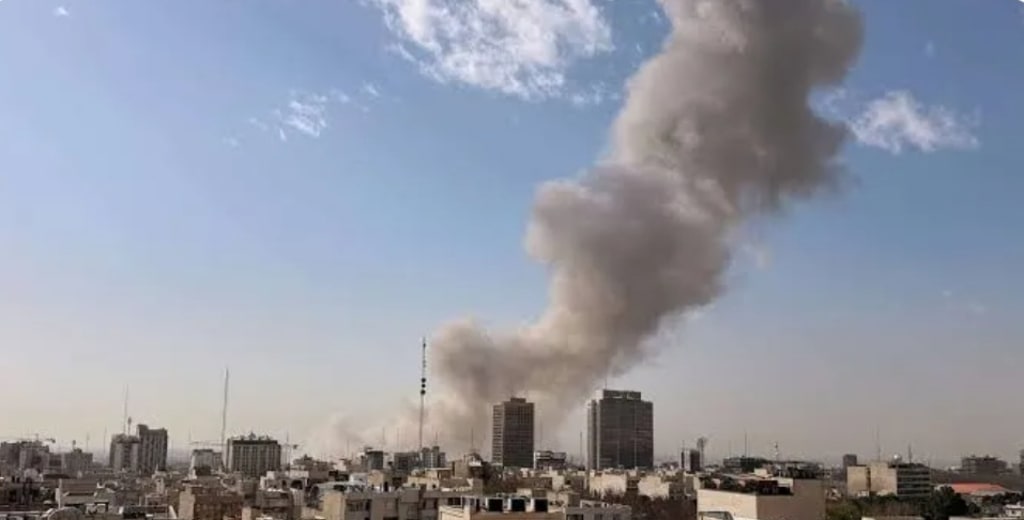
The United States and Israel have reportedly conducted military strikes on Iran, heightening tensions in the Middle East and raising international concerns amid sensitive nuclear negotiations. While details of the strikes remain limited, officials indicate that both countries coordinated their efforts in response to perceived threats originating from Iranian military facilities.
The escalation comes at a critical moment in ongoing diplomatic efforts to manage Iran’s nuclear program. International powers, including the United States, European countries, and regional actors, have been negotiating to prevent Iran from developing nuclear weapons capabilities.
This article outlines the context, impact, and potential consequences of the strikes and examines the broader geopolitical implications for the region.
Details of the Strikes
According to initial reports, the strikes targeted several locations believed to be associated with Iranian military infrastructure. While precise targets have not been publicly confirmed, regional media sources suggest missile and air operations were employed.
Officials from Washington and Tel Aviv emphasized that the strikes were aimed at reducing potential threats and were carefully coordinated to avoid civilian casualties. Nevertheless, local observers reported explosions and smoke in the vicinity of the targeted sites.
Iranian authorities have condemned the attacks, calling them violations of sovereignty and warning of potential retaliatory measures.
Background: Nuclear Negotiations
Diplomatic discussions regarding Iran’s nuclear program have been ongoing for years. These negotiations aim to limit Iran’s ability to produce nuclear weapons while allowing peaceful nuclear energy development.
Recent talks, involving the United States and European partners, have focused on reinstating or updating the Joint Comprehensive Plan of Action (JCPOA). However, progress has been slow, with disagreements over monitoring, sanctions relief, and verification protocols.
The strikes come at a time when negotiations were showing tentative movement, suggesting that military action may further complicate diplomacy.
US and Israeli Positions
The United States has reiterated its commitment to regional security, particularly regarding threats posed by Iran’s military capabilities. US officials described the operation as a defensive measure aimed at deterring potential aggression.
Israel has consistently expressed concerns over Iran’s nuclear ambitions and regional influence. Officials in Tel Aviv stated that their actions are intended to ensure national security and prevent destabilization of the region.
Both countries emphasized that the operation was limited in scope, designed to target specific military assets rather than broader civilian infrastructure.
Iranian Response
Iran’s government issued strong statements condemning the strikes. Officials described the actions as provocative and warned of consequences for both the United States and Israel if attacks continue.
Tehran has vowed to maintain its nuclear and defensive capabilities, signaling that any further military pressure could escalate into a broader regional conflict.
Analysts note that Iran’s response may involve asymmetric actions, including increased support for allied groups across the region.
Regional Implications
The strikes risk destabilizing an already volatile Middle East. Countries neighboring Iran, including Iraq, Syria, and Gulf states, may face increased security challenges.
Oil markets reacted to the news, with short-term price volatility reflecting concerns over potential disruptions in supply. Regional militaries have reportedly been placed on heightened alert to monitor developments.
Diplomatic relations between Iran and neighboring countries may also be affected, as nations weigh the risk of escalation against the need for regional stability.
Impact on Global Diplomacy
The timing of the strikes raises concerns about their effect on nuclear negotiations. International diplomats have expressed concern that military action could undermine trust and slow progress in talks.
European partners and the United Nations have urged restraint, emphasizing that diplomatic solutions are preferable to conflict escalation.
Observers note that balancing security concerns with diplomatic progress will be critical in the coming weeks.
Historical Context
US and Israeli military actions against Iranian targets are part of a long-standing pattern of tension in the region. Previous operations have included cyberattacks, airstrikes, and covert operations targeting military and nuclear infrastructure.
Iran, in turn, has used regional alliances and proxy groups to exert influence and counter perceived threats.
The current strikes represent a continuation of this dynamic, highlighting the persistent volatility surrounding Iran’s nuclear program and the security policies of its neighbors..
-International Reactions
Global leaders have reacted cautiously to the strikes. Some allies of the United States, including European nations, have expressed understanding of security concerns while calling for restraint.
The United Nations has called for calm and emphasized the importance of returning to negotiation tables.
Neighboring countries in the Middle East are monitoring the situation closely, aware that any escalation could have direct security and economic consequences.
Security Risks and Civilian Impact
While the operation targeted military sites, analysts caution that regional security risks may increase. Potential retaliation or miscalculation could affect civilian populations in surrounding areas.
Humanitarian organizations are preparing contingency plans in case of further escalation. Although there are no verified reports of civilian casualties at this stage, local monitoring remains critical.
Emergency preparedness measures have been emphasized by regional authorities to minimize risks.
Economic and Energy Considerations
The Middle East is a critical region for global energy supply. Any conflict escalation involving Iran can affect oil production and shipping routes.
International markets reacted with increased volatility in crude oil prices following reports of the strikes. Analysts are monitoring for potential impacts on energy prices, regional trade, and shipping security in the Persian Gulf.
Governments and multinational companies are evaluating risk mitigation strategies to protect supply chains.
The Role of Intelligence and Surveillance
The strikes underscore the importance of intelligence-sharing and surveillance in modern military operations. Both the United States and Israel rely on satellite data, cyber intelligence, and human networks to coordinate such actions.
Monitoring Iran’s activities remains a priority for regional security, with intelligence agencies assessing potential threats to both allies and neutral parties.
Accurate intelligence is critical to ensure that operations are precise and avoid unintended consequences.
Future Outlook
The situation remains fluid. Analysts suggest several possible scenarios:
Continued limited military actions, focusing on targeted facilities
Escalation leading to broader regional engagement
Resumption of diplomatic negotiations under international supervision
The immediate focus for policymakers is balancing security needs with diplomatic solutions to prevent conflict escalation.
Diplomatic Channels
Efforts are underway to maintain communication between involved parties. Regional mediators and international organizations have called for dialogue and calm.
The United States, Israel, and Iran are likely to rely on indirect channels to negotiate de-escalation measures while continuing to assert strategic interests.
Maintaining open lines of communication is considered essential to avoiding miscalculations.
Key Takeaways
1. The strikes represent a joint US-Israeli effort targeting Iranian military infrastructure.
2. Iran has condemned the action and warned of potential retaliation.
3. Regional security is at heightened risk, with implications for energy markets and trade.
4. Diplomatic negotiations over Iran’s nuclear program are ongoing, but military escalation complicates progress.
5. The global community is urging restraint and continued dialogue to prevent broader conflict.
Conclusion
The US and Israel’s military strikes on Iran signal a tense phase in Middle East geopolitics, intersecting with critical nuclear negotiations. While aimed at ensuring security, the operations also carry significant risks for regional stability, international diplomacy, and economic markets.
As governments assess the situation, the balance between military action and diplomatic engagement will be key. Analysts and policymakers will continue monitoring developments closely, aware that the next steps could shape the trajectory of Middle East security for months or years to come.
The international community now faces the challenge of preventing escalation while addressing the underlying tensions surrounding Iran’s nuclear program and regional influence. Vigilant observation, careful diplomacy, and measured responses will determine whether the current crisis remains contained or evolves into a larger confrontation.
About the Creator
Saad
I’m Saad. I’m a passionate writer who loves exploring trending news topics, sharing insights, and keeping readers updated on what’s happening around the world.
A Gathering of Evil Bosses
“I’m the queen of chin jutting while I smooth my hair, attacking, insulting, and deflecting to protect my appointer.” “Oh, please, Blondi, my hair is curled, highlighted, and longer than yours. I feature television commercials telling immigrants that we will give them a free plane ride home, and if they voluntarily turn themselves in, they will be allowed to legally apply for re-entry. It runs everywhere, and I look good in it! You can’t compete because of your blond hair. Mine is nicer, and my lips are prettier than yours.”
By Andrea Corwin 10 days ago in The Swamp
Minister Pledges That Children Will Receive SEND Support ‘Much More Quickly’ Under New Reforms
The UK government has announced a series of new reforms aimed at speeding up Special Educational Needs and Disabilities (SEND) support, pledging that children will receive the assistance they need more promptly amid long-standing concerns about delays in the system. Education ministers said the reforms would tackle inefficiencies, improve accountability, and ensure children with additional needs are not left waiting for critical interventions. Speaking at a parliamentary briefing, Education Secretary Claire Cartwright acknowledged that families had faced “unacceptable delays” in accessing support, particularly for assessments, individualized education plans (IEPs), and specialist services. “No child should be left behind because of bureaucracy,” Cartwright said. “Under these reforms, we aim to ensure that SEND support reaches children much more quickly, helping them to thrive in school and beyond.” Background: The SEND System Under Strain SEND provision in the UK has long been a source of controversy. According to recent reports from Ofsted and the Children’s Commissioner, thousands of children experience delays in getting educational assessments or placement in specialist provision, with some waiting months or even years for an Education, Health and Care Plan (EHCP) to be finalized. Families have complained of lengthy paperwork, inconsistent local authority procedures, and shortages of qualified staff to carry out assessments. One parent, Sarah Whitman from Birmingham, described her experience: “My son needed speech therapy and extra classroom support. We were promised assessments within 20 weeks, but it took over a year. It was exhausting and emotionally draining.” Her story echoes hundreds of similar accounts from families across England. The Proposed Reforms Under the new government plans, key measures include: Faster assessments – reducing the statutory 20-week period for EHCP completion in practice, with new accountability measures for local authorities. Streamlined paperwork – cutting down duplicative reporting requirements to allow education, health, and social care professionals to focus on direct support for children. Increased specialist staffing – funding for additional educational psychologists, speech and language therapists, and occupational therapists in schools and local authorities. Centralised oversight – improved monitoring systems to track progress on SEND support provision, ensuring children do not fall through the cracks. Education Secretary Cartwright emphasized that these reforms would be rolled out in phases, with pilot programs starting in selected local authorities from April 2026. Nationwide implementation is expected by spring 2027, with progress reports to Parliament every six months. Response From Advocacy Groups SEND advocacy groups welcomed the announcement but urged caution. Iain Douglas, director of the National SEND Alliance, said: “We are pleased to see government acknowledgment that delays are unacceptable, but promises must translate into real, tangible improvements on the ground. Staffing shortages, budget constraints, and inconsistent practices between local authorities remain major barriers.” Some unions representing education and health professionals highlighted the need for adequate training and manageable caseloads to prevent burnout and ensure that support is delivered effectively. Impact on Families For families, the reforms are a potential lifeline. Early intervention in SEND can significantly improve academic outcomes, social integration, and long-term wellbeing for children with disabilities or additional needs. By reducing waiting times and simplifying processes, the government hopes to alleviate stress for parents and guardians, while enabling children to access tailored support sooner. Parent advocacy groups, including Contact, have called for ongoing consultation with families throughout the reform process, stressing that policies must be flexible to meet the diverse needs of children across different regions. Looking Ahead While it remains to be seen whether the proposed reforms will fully resolve long-standing delays, the government’s pledge represents a renewed focus on improving SEND provision. With pilot programs set to launch in the coming months, families, educators, and advocacy groups will be watching closely to ensure that children across the UK finally receive the timely, personalised support they need to succeed.
By Fiaz Ahmed 6 days ago in The Swamp
me, me, me
when i read back my poetry it screams “me, me, me” on my screen in bold letters and i can’t shut it up — most days, i cannot make any other words out; i want to throttle a thousand versions of the me gone by, i want to throw myself from a figurative balcony, i want to sink a sword into every pen i’ve held
By angela hepworth2 days ago in Poets




Comments
There are no comments for this story
Be the first to respond and start the conversation.