
US and Iran Set for Further Talks in Oman Amid Trump’s Military Threats – Live
Diplomacy seeks to avert crisis as U.S. and Iran return to the negotiating table in Muscat amid mounting hostilities, complex agendas, and stark mistrust
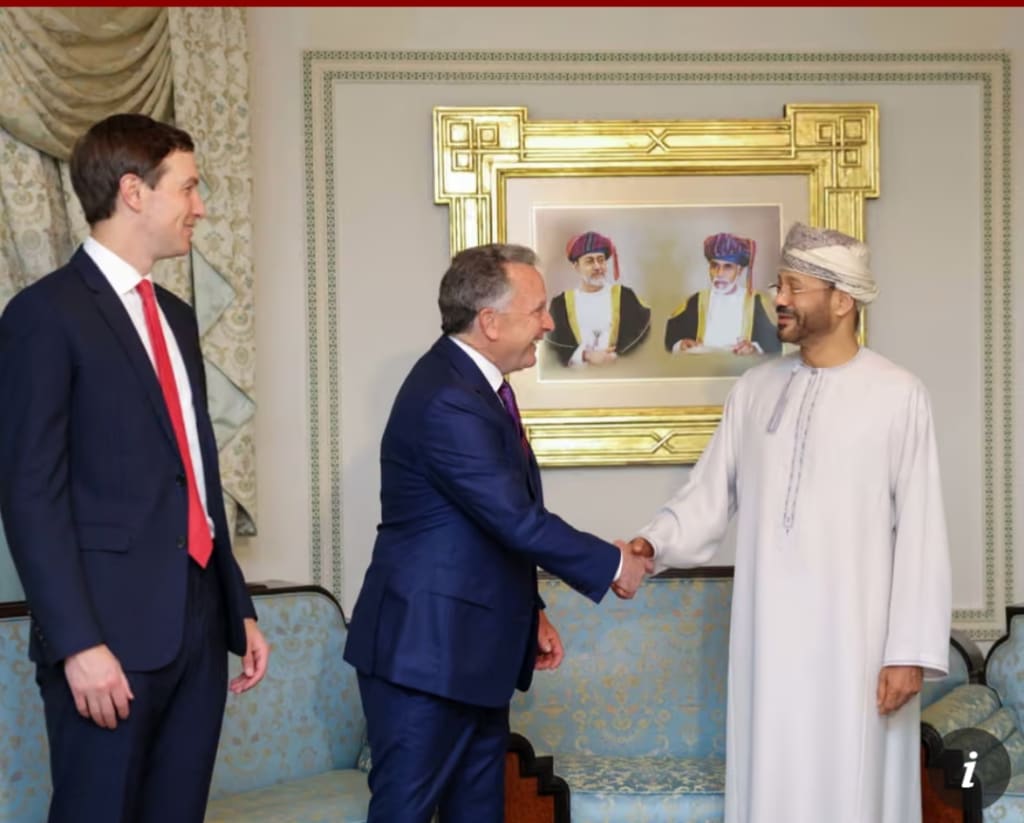
Diplomatic efforts between the United States and Iran are unfolding in Muscat, Oman, in a renewed bid to defuse one of the world’s most dangerous geopolitical flashpoints. High-stakes negotiations, mediated by the Sultanate of Oman, are taking place against the backdrop of President Donald Trump’s repeated threats of military action — including warnings of strikes on Iranian targets if talks fail to yield results.
These talks represent the latest chapter in a long and troubled relationship between Tehran and Washington, one shaped by decades of rivalry, sanctions, nuclear standoffs, proxy conflict, and intermittent diplomacy.
---
Why Oman? Geopolitical Middle Ground
Oman has long played a unique role in fostering dialogue between adversaries in the Middle East. Its neutral diplomatic posture and historical ties with both Iran and Western nations make it a preferred venue for indirect and direct negotiations.
Previous rounds of talks in Oman — alongside other diplomatic efforts — have focused primarily on Iran’s nuclear program, though Washington seeks to expand the dialogue to include Iran’s ballistic missile arsenal, regional influence, and ties to militant groups.
Despite this, Tehran has insisted that nuclear issues alone should be on the agenda, rejecting U.S. demands to broaden the scope of discussions.
---
Tensions Escalate as Military Posturing Grows
The diplomacy arrives amid one of the tensest periods in recent U.S.–Iran relations.
President Trump has publicly warned of military action should talks collapse, and American forces — including naval carriers and air assets — have been deployed to the region in greater numbers, signaling readiness for confrontation even as negotiators meet.
Iran, meanwhile, has vowed to defend itself against perceived U.S. “adventurism,” with senior officials making bold statements about resisting excessive demands.
Just a day before negotiations began, Iranian military forces seized two foreign oil tankers in the Persian Gulf, escalating tensions further and underscoring how volatile the situation remains.
---
Core Issues on the Table
1. The Nuclear Program
Iran’s nuclear activities sit at the center of the talks. Tehran claims its program is for peaceful civilian use, while Washington and its allies remain suspicious of possible weaponization.
In previous rounds, Iran suggested potential compromises — such as lowering enrichment levels or participating in multilateral oversight — but has steadfastly refused to accept permanent curbs without sanctions relief and economic incentives.
2. Missile and Defense Systems
The United States is pushing to include Iran’s ballistic missile program in broader negotiations, arguing regional security hinges on limiting Tehran’s long-range strike capacity. Iran, however, has labeled its missile defenses a sovereign right and a necessary deterrent.
3. Regional Power Dynamics
Another layer is Iran’s influence in the Middle East — through allied militias and political proxies in countries like Iraq, Syria, Lebanon, and Yemen. The U.S. believes these networks contribute to instability, while Iran says they are strategic buffers against aggression.
Though ancillary to nuclear talks, regional influence remains a persistent underlying concern between the parties.
---
Domestic Pressures and Global Watch
Within Iran, public unrest — driven by economic hardship and political repression — has intensified internal pressure on the government. Sanctions have squeezed the economy, and national currency depreciation has fueled discontent.
Internationally, allies and rival states alike are watching closely. Iraq’s foreign minister publicly endorsed negotiations, describing them as necessary for regional stability.
Oil markets have also reacted: crude prices fell ahead of the talks as hopes for de-escalation grew, but analysts warn that volatility will persist as long as uncertainty looms.
---
Diplomacy Under the Shadow of Threats
What sets these talks apart is the constant juxtaposition of dialogue and deterrence. President Trump has repeatedly used military rhetoric — including blunt warnings directed at Iran’s Supreme Leader — even while claiming a willingness to pursue negotiation.
This dual strategy places negotiators in a delicate position: they must balance diplomatic progress without appearing weak, all while avoiding missteps that could spiral into open conflict. Analysts caution that maximum demands — such as tying nuclear, missile, and regional issues into a single bargain — risk overwhelming an already fragile dialogue.
For Tehran, the distrust of U.S. intentions runs deep. Even as Iranian delegates arrive at the negotiating table, they do so with clear warnings about defending national interests, projecting strength despite diplomatic overtures.
---
Can Talks Yield Results?
Whether these negotiations produce tangible outcomes or simply delay confrontation remains uncertain. On one hand, Oman’s mediation and continued dialogue demonstrate that both powers perceive negotiation as preferable to unchecked escalation.
On the other, longstanding mistrust, competing agendas, and the heavy presence of military threats create an atmosphere where miscalculation could quickly undo diplomatic progress.
One truth stands clear: the world is watching, and the stakes could not be higher — not only for Washington and Tehran but for regional security and global markets.
About the Creator
Keep reading
More stories from writers in The Swamp and other communities.
Why Black History Matters in America?
The United States of America is celebrating their 250th anniversary in 2026. I'm proud to be an American and as someone who was born here, I wouldn't imagine myself living anywhere else. This is a country where opportunities are possible. Where anyone can be successful in anything they desire to do. Equality, community, and togetherness are the backbones of what America is and should be about. However, we have an administration who wants to erase and disregard those who have made positive, meaningful impacts in our country, specifically Black figures, such as Martin Luther King, Jr., Rosa Parks, and Maya Angelou. President Trump and his administration have been constantly complaining and fighting against what they call the "Woke agenda". They use this excuse as a distraction from other issues they refuse to address, such as the high cost of living, climate change, and inflation. That equality is dividing America, when in reality, it's bringing us together. Being woke is not tied to a specific political party. No matter where you stand on the political spectrum, you can still care about other people and their plights. Compassion and empathy for others isn't tied to a political party, either. We were taught as children to treat others the way we want to be treated and not judge others because they're different from us. Caring about others isn't a personal attack on your beliefs. It doesn't make you any less of a person. People who are easily offended over African American figures, past or present, or anything related to it, are grasping at straws. Current and future generations need to know who people like Harriet Tubman and Shirley Chisholm were, especially in the classroom. Black History is part of American History. It should be recognized, not hidden or forgotten. Besides, you can't shield children from everything, just because your feelings are easily hurt.
By Mark Wesley Pritchard 7 days ago in The Swamp



Comments
There are no comments for this story
Be the first to respond and start the conversation.