
US Airlines Issue Travel Waivers as Winter Storm Threatens Widespread Disruptions
Passengers urged to rebook early as snow, ice, and severe cold loom over major US travel hubs

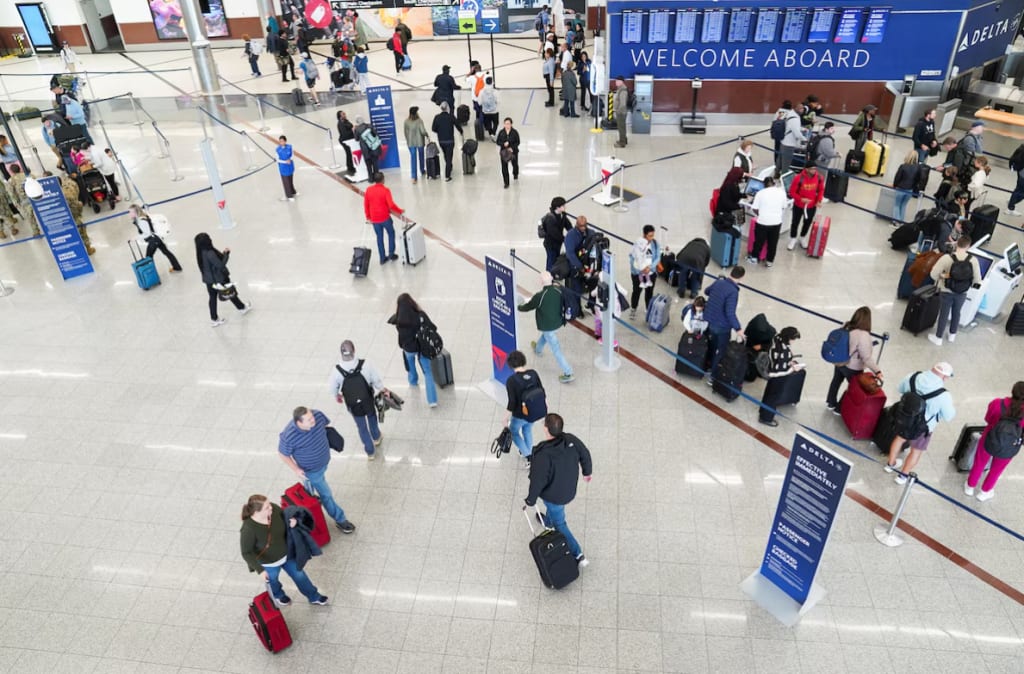
As a powerful winter storm barrels across large parts of the United States, major airlines have begun issuing travel waivers, warning passengers to prepare for widespread flight disruptions. Forecasts predict heavy snow, freezing rain, and dangerously low temperatures stretching from the Midwest to the East Coast — a combination that could cripple air travel during one of the busiest winter periods.
The storm is already being described by meteorologists as potentially one of the most disruptive weather systems of the season, prompting airlines to take early action in an attempt to reduce chaos at airports and give travelers more flexibility.
What Are Travel Waivers and Why Do They Matter?
Travel waivers allow passengers to change their flight dates or routes without paying standard change fees. Normally, modifying a ticket — especially at short notice — can be expensive. During major weather events, airlines issue waivers to ease congestion, limit cancellations, and reduce stranded travelers at airports.
Airlines including American Airlines, Delta Air Lines, United Airlines, and Southwest have confirmed waivers for dozens of cities expected to be affected by the storm. Passengers traveling through major hubs such as Chicago O’Hare, Denver International, Dallas-Fort Worth, Atlanta, and New York-area airports are among those urged to review their plans.
For many travelers, rebooking early could mean the difference between a smooth adjustment and hours — or even days — of delays.
The Scope of the Incoming Storm
According to weather forecasters, the storm system is expected to bring:
Heavy snowfall across the Midwest and Great Lakes
Ice accumulation in parts of the Ohio Valley and Northeast
Strong winds capable of creating whiteout conditions
Arctic air plunging temperatures well below seasonal averages
These conditions are particularly dangerous for aviation. Snow and ice can delay takeoffs, reduce visibility, and require extensive de-icing procedures. Extreme cold can also affect aircraft equipment and ground operations, slowing airport turnaround times.
Even airports not directly in the storm’s path may experience ripple effects, as delayed aircraft and crews disrupt schedules nationwide.
Airlines Move to Prevent a Repeat of Past Chaos
US airlines are keenly aware of how quickly winter weather can spiral into large-scale disruption. In recent years, high-profile meltdowns during holiday travel seasons have drawn public and regulatory scrutiny.
Issuing waivers early is now seen as a preventative strategy. By encouraging passengers to adjust their travel plans ahead of time, airlines hope to:
Reduce overcrowding at airports
Minimize last-minute cancellations
Keep crews and aircraft better positioned
Some airlines are also proactively canceling select flights in areas expected to see the worst conditions, allowing passengers more time to rebook rather than being caught off guard.
What Passengers Should Do Now
Travelers with upcoming flights in affected regions are being urged to act quickly. Aviation experts recommend the following steps:
Check airline alerts regularly
Airlines are updating waiver lists frequently as forecasts evolve.
Rebook early if possible
Flights before or after the storm window may fill up quickly.
Avoid tight connections
Storm-related delays can cause missed connections even at clear-weather airports.
Pack essentials in carry-on bags
In case of long delays or overnight stays, keep medication, chargers, and basic necessities accessible.
Monitor airport conditions
Local airport websites and apps often provide real-time updates on delays and ground stops.
Economic Impact of Weather-Related Disruptions
Winter storms don’t just affect travelers — they carry a heavy economic cost. Flight cancellations and delays can disrupt supply chains, business travel, and tourism. Airlines themselves lose millions of dollars during major weather events due to:
Crew overtime
Aircraft repositioning
Passenger accommodations and refunds
Airports, meanwhile, must mobilize snow removal crews, de-icing equipment, and emergency staff, all while managing frustrated travelers.
As climate patterns grow more unpredictable, industry analysts warn that weather-related disruptions may become more frequent, forcing airlines to rethink long-term operational strategies.
Climate Change and Extreme Winter Weather
While winter storms are not new, scientists note that climate change may be contributing to more intense and erratic weather systems. Warmer Arctic temperatures can destabilize polar air patterns, allowing frigid air to plunge southward more often.
For the aviation industry, this creates a challenging paradox: fewer predictable seasons and more sudden extremes. Airlines must now prepare for severe winter events even outside traditional peak months.
This reality makes travel waivers not just a temporary response, but an increasingly permanent feature of airline operations.
Will Holiday Travel Be Affected?
Depending on the storm’s speed and intensity, impacts could stretch into peak travel days, compounding stress for families and workers trying to reach their destinations. Even after snowfall ends, backlogs of aircraft and crews can take days to clear.
Passengers flying later in the week are advised not to assume they are safe from disruption. Delays have a habit of cascading long after the weather itself moves on.
Conclusion
As the winter storm approaches, US airlines are taking early steps to soften the blow by issuing travel waivers and urging flexibility. For travelers, awareness and quick decision-making will be critical.
While no airline can control the weather, proactive planning can help reduce frustration and keep disruptions manageable. This storm serves as another reminder that in an era of extreme weather, flexibility is becoming an essential part of modern travel.
Those who adapt early may avoid the worst of the turbulence — both in the air and on the ground.
About the Creator
Muhammad Hassan
Muhammad Hassan | Content writer with 2 years of experience crafting engaging articles on world news, current affairs, and trending topics. I simplify complex stories to keep readers informed and connected.
Keep reading
More stories from Muhammad Hassan and writers in The Swamp and other communities.
AI-Induced Cultural Stagnation Is No Longer Speculation — It’s Already Happening
For years, concerns about artificial intelligence harming creativity were dismissed as hypothetical or alarmist. AI, we were told, would be a tool — not a replacement — enhancing human imagination rather than flattening it. But today, that optimism is fading. AI-induced cultural stagnation is no longer a theory. It is already unfolding in real time, reshaping art, writing, music, film, and even public discourse in subtle but deeply consequential ways.
By Muhammad Hassanabout 11 hours ago in The Swamp
Second Lady Usha Vance Announces She Is Pregnant with Fourth Child
Washington, D.C. — In a moment that blends personal joy with national attention, Second Lady Usha Vance and Vice President J.D. Vance announced on Tuesday that they are expecting their fourth child, a baby boy, due in late July 2026. The news was shared via social media and has quickly become a topic of interest across the United States, drawing congratulations from political leaders, community figures, and families nationwide. �
By Ayesha Lashari2 days ago in The Swamp
UK Will Not Be Joining Trump’s ‘Board of Peace’ for Now, Citing Putin’s Invitation, Yvette Cooper Says – UK Politics Live
The United Kingdom has confirmed that it will not be participating in former President Donald Trump’s proposed “Board of Peace” initiative for now, citing a recent invitation extended by Russian President Vladimir Putin as a complicating factor, according to comments from Labour MP Yvette Cooper. The announcement comes amid ongoing global tensions and debate over the UK’s foreign policy priorities, particularly in the context of the Ukraine crisis and international diplomatic engagement.
By Aarif Lasharia day ago in The Swamp




Comments
There are no comments for this story
Be the first to respond and start the conversation.