
Unethical Medical Practices: Nurse Carries Out Unnecessary Exams on Children
Investigating the Impact of Unwarranted Medical Procedures on Children’s Health and Trust in Healthcare Systems
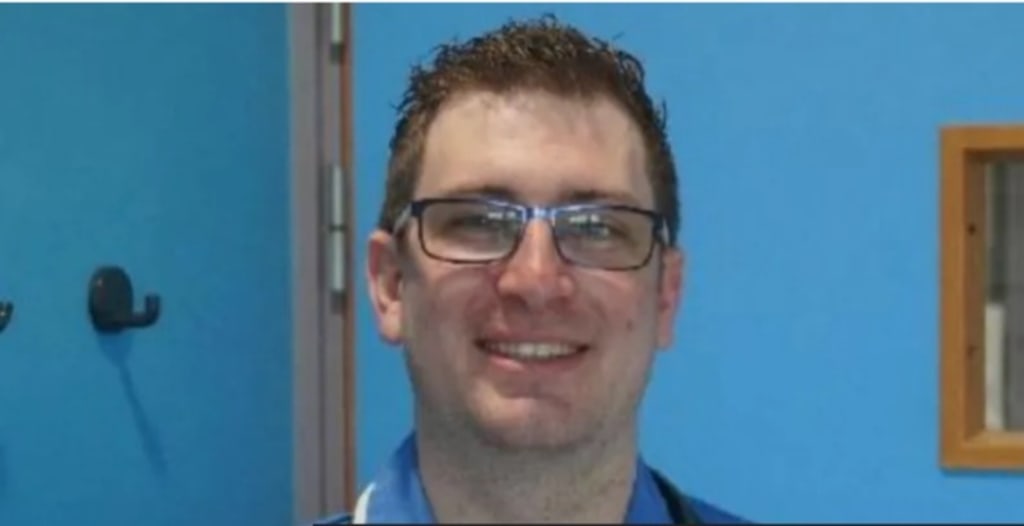
Introduction:
In the world of healthcare, medical professionals are expected to uphold the highest standards of care and ethics. However, recent reports of a nurse performing unnecessary exams on children have raised serious concerns regarding medical malpractice, the abuse of trust, and the long-term implications for child health. These actions not only violate ethical guidelines but also compromise the integrity of the healthcare system. In this article, we explore the gravity of such practices, the potential reasons behind them, and the lasting consequences for both the affected children and the medical community as a whole.
Understanding the Scope of the Issue
The case of a nurse performing unwarranted exams on children has sparked outrage across communities. While medical exams and tests are crucial for diagnosing conditions and monitoring health, they must always be performed with the child’s best interest in mind. Unnecessary exams, particularly those conducted without proper consent or justification, are not only harmful but also a breach of trust between patients and healthcare providers.
Medical examinations on children are typically carried out to identify or rule out specific conditions. However, there have been instances where procedures have been performed without clinical indications, and without ensuring that the child and their guardians are fully informed and consenting. These kinds of actions create a dangerous precedent, especially in vulnerable populations like children, who may be unable to articulate or even understand what is happening to them.
The Emotional and Psychological Impact on Children
Beyond the physical ramifications of unnecessary tests and exams, there are profound emotional and psychological impacts on children subjected to unwarranted medical procedures. For young patients, a visit to the doctor or hospital can already be an intimidating and anxiety-inducing experience. When these experiences become routine or are unnecessarily prolonged through improper procedures, children may develop a lasting fear of healthcare environments, doctors, or even general medical treatments.
Children are particularly susceptible to stress and trauma, and when subjected to non-essential medical exams, their emotional well-being can be seriously compromised. A child who experiences repeated, invasive, or unneeded tests may struggle with issues like fear of doctors, anxiety, and post-traumatic stress. These psychological effects can extend into adulthood, causing a deep mistrust of healthcare systems and providers, which could potentially prevent them from seeking necessary medical care later in life.
The Breach of Trust in Healthcare
Healthcare professionals are trusted with the well-being of their patients, a responsibility that requires both skill and ethical integrity. When this trust is broken, as seen in the case of the nurse performing unnecessary exams on children, the consequences can be far-reaching. Parents and guardians entrust healthcare providers with their children’s safety, relying on them to make decisions that prioritize health and well-being. Any deviation from this responsibility not only damages the parent-provider relationship but can also erode public confidence in the healthcare system as a whole.
The breach of trust may result in parents and children becoming more hesitant to seek medical attention in the future. They might even develop a fear or resentment toward healthcare institutions, preventing them from receiving timely and necessary medical care. Trust is the foundation of the doctor-patient relationship, and once lost, it can be incredibly difficult to rebuild.
The Ethical Dilemmas in Medical Practice
Performing unnecessary medical procedures is not just an act of negligence; it is an ethical violation. The principles of medical ethics – autonomy, non-maleficence, beneficence, and justice – guide every healthcare decision. In the case of unnecessary exams, these principles are undermined:
Autonomy: Children cannot always give informed consent for procedures, and parents may not fully understand the implications of the tests being conducted. The lack of transparency and information denies both children and parents their right to make informed choices about care.
Non-maleficence: Medical professionals are obligated to "do no harm." Conducting unnecessary procedures exposes children to potential harm, including physical side effects, discomfort, or complications that could have been avoided.
Beneficence: Every action taken in healthcare should aim to benefit the patient. Unnecessary exams only serve to increase risks without offering any clinical advantage, failing to meet the standard of beneficence.
Justice: If resources are being diverted to perform unnecessary exams, this deprives other patients, especially those with legitimate medical needs, of access to timely and essential care. It is a violation of the principle of justice in healthcare.
The Role of Healthcare Institutions in Preventing Malpractice
Healthcare institutions have a responsibility to establish strong protocols and oversight mechanisms to prevent malpractice. Continuous training, ethical guidance, and regular audits can help reduce the risk of inappropriate or unnecessary procedures being conducted. Hospitals and clinics must ensure that their staff are well-versed in medical ethics and are held accountable for their actions.
In the case of the nurse involved in unnecessary exams, it is essential that healthcare authorities conduct a thorough investigation. If wrongdoing is confirmed, disciplinary action should be taken to hold the individual accountable. However, the institution must also take steps to prevent future occurrences, such as providing better education on informed consent, improving communication between healthcare providers and parents, and fostering an environment of openness and transparency.
Conclusion: A Call for Accountability and Reform
Unnecessary exams on children are not just a violation of medical ethics; they are a betrayal of the trust that patients, particularly vulnerable children, place in healthcare systems. The emotional, psychological, and physical consequences for the affected children can be far-reaching, with long-term implications for their relationship with healthcare.
It is imperative that medical professionals adhere strictly to ethical guidelines, always ensuring that procedures are in the best interest of the patient. Healthcare institutions must take responsibility for ensuring that their staff are well-trained, informed, and held accountable for their actions. By addressing these issues head-on, the medical community can begin to restore public trust and ensure that children receive the care they deserve.
As we move forward, it is essential to continue holding healthcare providers to the highest standards of care, reinforcing the principles of medical ethics, and ensuring that such unethical practices are rooted out for the good of all patients, especially those most vulnerable.
Endnote:
The case of a nurse performing unnecessary exams on children underscores the importance of vigilance and ethical responsibility in healthcare. It’s not just about preventing harm; it's about maintaining the trust and integrity that are fundamental to the practice of medicine. As patients and caregivers, we must remain informed, aware, and proactive in demanding the best care for our childre
About the Creator
Keep reading
More stories from Ayesha Lashari and writers in The Swamp and other communities.
Producer’s Pride at Legendary Debut: 20 Years On
In the ever-evolving world of music, few moments stand the test of time quite like a legendary debut. A debut album or track often marks the beginning of an artist’s journey, but for many producers, it is a moment of personal pride — a celebration of years of effort, trial, and triumph. As we reflect on the 20-year anniversary of one such iconic debut, we are reminded of the lasting impact this musical masterpiece continues to have on the industry, the artist, and the fans who witnessed the birth of something unforgettable.
By Ayesha Lashariabout 18 hours ago in The Swamp
Berkshire Prepares to Exit 28% Stake in Kraft Heinz as New CEO Seeks to Move Past Rare Buffett Gaffe
Berkshire Hathaway, the investment powerhouse led by Warren Buffett, is reportedly preparing to exit its 28% stake in Kraft Heinz, marking a notable shift in one of the most scrutinized investments in the firm’s history. The move comes under the guidance of the new CEO of Kraft Heinz, who is determined to distance the company from what many analysts have called a rare Buffett gaffe.
By Muhammad Hassan3 days ago in The Swamp
US Warns Airlines About Military Activity in Parts of Latin America
The United States has issued a fresh aviation safety warning that has caught the attention of airlines and travelers alike. The Federal Aviation Administration (FAA) has advised U.S. airlines to exercise heightened caution when flying over parts of Latin America, citing concerns related to military activity and potential risks to civilian aircraft.
By Aqib Hussain7 days ago in The Swamp




Comments
There are no comments for this story
Be the first to respond and start the conversation.