
UN Security Council Condemns Latest Militant Attacks in Pakistan That Killed Dozens
UN expresses solidarity with Pakistan after deadly wave of violence Security Council urges accountability and protection of civilians International community denounces attacks as threat to regional stability Pakistan vows tougher action as UN condemns militant violence Dozens dead as world body renews commitment to counterterrorism Calls grow for unity after coordinated assaults shock the nation UN warns that terrorism remains a major threat to peace and security

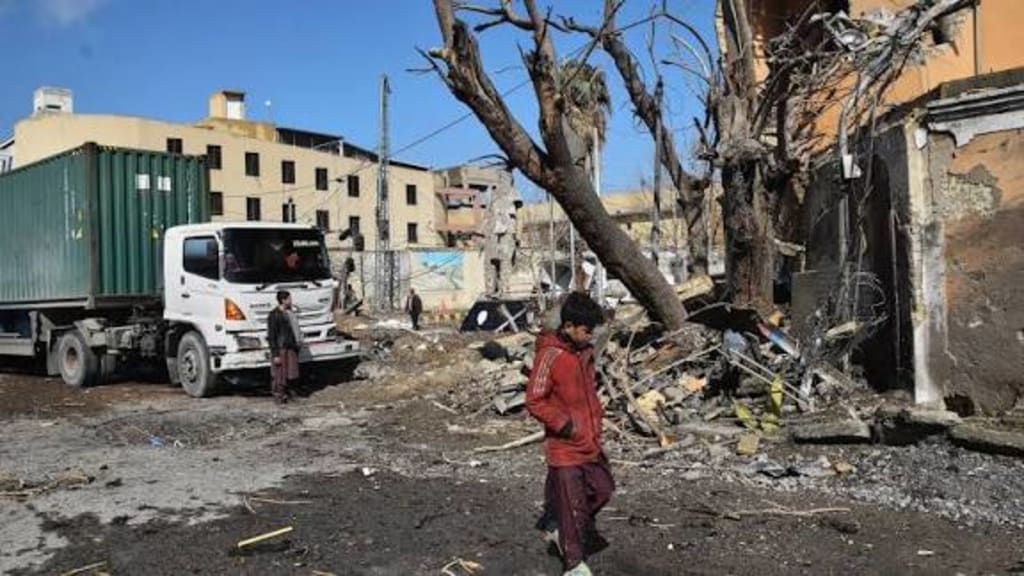
The United Nations Security Council has strongly condemned a wave of militant attacks in Pakistan that left dozens of civilians and security personnel dead, calling the violence a threat to regional stability and reaffirming the international community’s commitment to combating terrorism in all its forms. The attacks, which occurred in multiple locations across the country, have intensified concerns about Pakistan’s security situation and the resurgence of militant groups operating in border regions.
In a statement released following an emergency consultation, the Security Council expressed its “deepest sympathy and condolences” to the families of the victims and to the government and people of Pakistan. Members of the Council described the attacks as “heinous and cowardly acts of terrorism” and emphasized that those responsible must be brought to justice.
A Series of Deadly Incidents
According to Pakistani authorities, the assaults targeted both civilian areas and security installations, underscoring the evolving tactics of militant groups seeking to spread fear and destabilize the state. Local officials reported that armed attackers carried out coordinated strikes using explosives and firearms, resulting in heavy casualties and significant damage to infrastructure.
Security forces launched immediate operations in response, cordoning off affected areas and pursuing suspected militants. Hospitals in nearby cities were placed on emergency footing to treat the wounded, while provincial governments announced mourning periods in honor of those killed.
The violence comes amid heightened tensions in parts of northwestern Pakistan, where militant organizations have increased activity in recent months. Analysts say these groups are exploiting difficult terrain and porous borders to regroup and expand their operations.
International Reaction
The UN Security Council’s statement reaffirmed that terrorism “in all its forms and manifestations” remains one of the most serious threats to international peace and security. Council members urged all states to cooperate with Pakistan in investigating the attacks and preventing future incidents, in line with international law and relevant UN resolutions.
Several countries, including China, the United States, and members of the European Union, issued separate messages of solidarity with Pakistan. They praised the bravery of Pakistani security forces and reiterated their support for the country’s counterterrorism efforts.
The Secretary-General of the United Nations also condemned the attacks, calling for unity against extremist violence and stressing the importance of protecting civilians in conflict-affected regions.
Pakistan’s Response
Pakistan’s leadership vowed to intensify counterterrorism operations and ensure that those responsible face swift justice. The prime minister described the attacks as an assault on the nation’s sovereignty and pledged that the government would not allow militants to undermine peace and stability.
Interior Ministry officials announced the deployment of additional security forces in vulnerable districts and the strengthening of intelligence-sharing mechanisms. Border controls were also tightened, particularly in regions adjoining Afghanistan, where officials believe some militant groups find refuge.
Military spokespersons said targeted operations were underway against known hideouts and logistical networks linked to extremist factions. They stressed that Pakistan’s security forces remain committed to eliminating terrorism and restoring confidence among citizens.
A Pattern of Renewed Militancy
The recent attacks are part of a broader pattern of rising militant activity that has worried both domestic and international observers. Experts point to a complex mix of factors driving the resurgence, including political instability, economic pressures, and regional developments following changes in Afghanistan’s security landscape.
Communities living near conflict zones continue to bear the brunt of the violence. Schools and markets have been disrupted, and many families have been forced to flee their homes in search of safety. Human rights groups have called for stronger measures to protect civilians and provide support for victims of terrorism.
At the same time, analysts warn that military action alone may not be enough to ensure lasting peace. They argue that long-term solutions must include economic development, education, and efforts to counter extremist ideology.
Regional Implications
The UN Security Council’s condemnation highlights the broader regional stakes of the attacks. Instability in Pakistan has the potential to spill over into neighboring countries, affecting trade, migration, and diplomatic relations.
South Asia remains one of the world’s most complex security environments, with multiple conflicts and historical rivalries. Militant violence in Pakistan adds another layer of risk to an already fragile regional balance.
Diplomats have stressed that cooperation among regional governments is essential to prevent militant groups from exploiting cross-border networks. Intelligence sharing, coordinated patrols, and joint development projects have been identified as key tools in addressing the root causes of extremism.
Voices of the Victims
Across Pakistan, citizens gathered to mourn the victims and denounce the violence. Candlelight vigils were held in major cities, and social media was flooded with messages calling for unity and resilience.
Religious leaders and civil society organizations also issued statements condemning the attacks and urging communities not to be divided by fear. Many emphasized that the militants’ goal was to destabilize society and that solidarity was the strongest response.
Families of those killed have appealed for justice and lasting peace. “We want our children to grow up without fear,” said one grieving relative. “This violence must end.”
Conclusion
The UN Security Council’s strong condemnation of the latest militant attacks in Pakistan reflects global concern over the renewed threat of terrorism and its devastating human cost. While Pakistani authorities move to strengthen security and pursue the perpetrators, the challenge remains to address the deeper conditions that allow extremism to take root.
As Pakistan mourns the loss of dozens of lives, the international community’s message is clear: terrorism must be confronted collectively, and the protection of civilians must remain a priority. Whether these words translate into lasting stability will depend on sustained cooperation, political resolve, and a commitment to peace that goes beyond the battlefield.
About the Creator
Fiaz Ahmed
I am Fiaz Ahmed. I am a passionate writer. I love covering trending topics and breaking news. With a sharp eye for what’s happening around the world, and crafts timely and engaging stories that keep readers informed and updated.
Keep reading
More stories from Fiaz Ahmed and writers in The Swamp and other communities.
Ukraine–Russia Talks Begin in Abu Dhabi After ‘Massive’ Strikes on Kyiv
Negotiations between Ukraine and Russia have begun in Abu Dhabi following one of the heaviest waves of missile and drone attacks on Kyiv in recent weeks, marking a rare moment of diplomacy amid escalating violence. The talks, facilitated by regional and European intermediaries, come as Ukraine assesses the damage from overnight strikes that targeted critical infrastructure and residential areas, underscoring the fragile and contradictory nature of attempts to revive dialogue while the war continues unabated.
By Fiaz Ahmed 4 days ago in The Swamp
Why Black History Matters in America?
The United States of America is celebrating their 250th anniversary in 2026. I'm proud to be an American and as someone who was born here, I wouldn't imagine myself living anywhere else. This is a country where opportunities are possible. Where anyone can be successful in anything they desire to do. Equality, community, and togetherness are the backbones of what America is and should be about. However, we have an administration who wants to erase and disregard those who have made positive, meaningful impacts in our country, specifically Black figures, such as Martin Luther King, Jr., Rosa Parks, and Maya Angelou. President Trump and his administration have been constantly complaining and fighting against what they call the "Woke agenda". They use this excuse as a distraction from other issues they refuse to address, such as the high cost of living, climate change, and inflation. That equality is dividing America, when in reality, it's bringing us together. Being woke is not tied to a specific political party. No matter where you stand on the political spectrum, you can still care about other people and their plights. Compassion and empathy for others isn't tied to a political party, either. We were taught as children to treat others the way we want to be treated and not judge others because they're different from us. Caring about others isn't a personal attack on your beliefs. It doesn't make you any less of a person. People who are easily offended over African American figures, past or present, or anything related to it, are grasping at straws. Current and future generations need to know who people like Harriet Tubman and Shirley Chisholm were, especially in the classroom. Black History is part of American History. It should be recognized, not hidden or forgotten. Besides, you can't shield children from everything, just because your feelings are easily hurt.
By Mark Wesley Pritchard 6 days ago in The Swamp
The Angry Man in Your House
"If you grow up with an angry man in your house, there will always be an angry man in your house" This statement has caused plenty of controversy online, people say its a statement that blames victims while also undermining those who break traumatic cycles to form health relationships... but if I'm honest now that I'm in my 30s it makes more sense to me than ever, and I'd argue that its not just about fathers and uncles.
By S. A. Crawfordabout 15 hours ago in Humans




Comments
There are no comments for this story
Be the first to respond and start the conversation.