
UN Peacekeeper Injured in Gunfire Near the ‘Blue Line’ in South Lebanon
Rising tensions along the Lebanon–Israel border leave UN forces exposed as peacekeepers come under fire

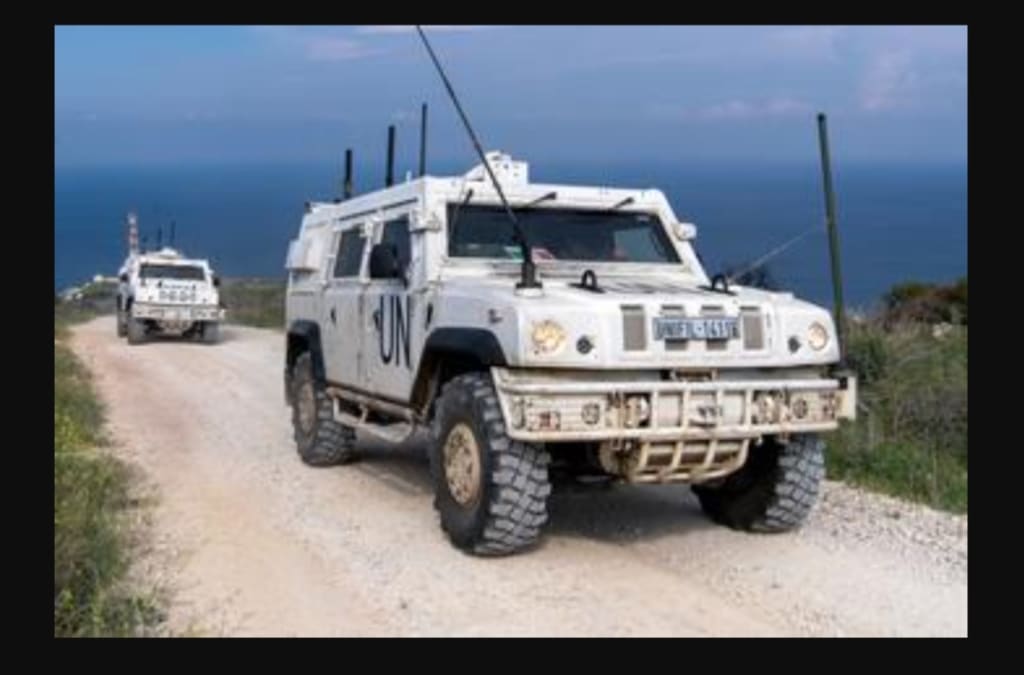
A reminder of rising tensions and the fragile nature of peacekeeping along one of the Middle East’s most volatile borders
A United Nations peacekeeper was injured after gunfire erupted near the “Blue Line” in southern Lebanon, underscoring the growing risks faced by international forces tasked with maintaining calm in a region long defined by instability. While the injury was reported as minor, the incident has renewed concerns about escalating tensions along the Lebanon–Israel frontier and the safety of peacekeeping personnel operating there.
The episode highlights how quickly fragile ceasefires can be tested — and how peacekeepers often find themselves caught between competing military forces.
What Happened Near the Blue Line
The incident occurred during a routine patrol by the United Nations Interim Force in Lebanon (UNIFIL) near the Blue Line, the UN-demarcated separation line between Lebanon and Israel. According to UN officials, gunfire struck close to the patrol’s position, and a peacekeeper sustained a light injury consistent with a blast or shock impact.
UNIFIL stated that its patrol movements had been coordinated in advance through established communication channels, a standard practice intended to prevent misunderstandings in sensitive areas. Despite these precautions, the gunfire occurred in close proximity to the peacekeepers, raising alarm within the mission and among international observers.
Later the same day, a separate patrol reported additional gunfire nearby, though no further injuries were recorded.
Understanding the Blue Line
The Blue Line is not an internationally recognized border but a withdrawal line identified by the United Nations in 2000 to confirm Israel’s pullout from southern Lebanon. It serves as a reference point for monitoring violations and maintaining relative calm along the frontier.
Despite its technical nature, the Blue Line has become one of the most contested and heavily monitored zones in the Middle East. Even small incidents — such as gunfire, troop movements, or surveillance activity — can quickly raise tensions and draw international attention.
UNIFIL’s Role in Southern Lebanon
UNIFIL was first established in 1978 and later expanded after the 2006 conflict between Israel and Hezbollah. Its mandate includes:
Monitoring the cessation of hostilities
Supporting the Lebanese Armed Forces
Ensuring humanitarian access
Reporting violations of UN resolutions
Peacekeepers operate in a highly complex environment where armed groups, national militaries, and civilian communities coexist in close proximity. While UNIFIL personnel are neutral, they often face hostility simply by being present in disputed areas.
Why This Incident Matters
Although the peacekeeper’s injury was not life-threatening, the incident carries broader significance.
1. Threats to Peacekeeper Safety
Peacekeepers are meant to act as stabilizing forces, not targets. When they are injured, it raises serious concerns about their ability to operate safely and effectively.
2. Escalating Border Tensions
The incident reflects an ongoing pattern of tension along the Blue Line. Repeated reports of gunfire, military activity, and close encounters suggest that the region remains highly volatile.
3. Risk of Wider Conflict
Even limited incidents can spiral into larger confrontations. When international forces are involved, diplomatic pressure intensifies, and the margin for error narrows.
A Pattern, Not an Isolated Event
This is not the first time UNIFIL peacekeepers have come under threat. Over the past year, multiple reports have described:
Gunfire near UN patrols
Restrictions on peacekeeper movement
Damage to UN property
Heightened military activity near civilian areas
Each incident chips away at confidence in the stability of the ceasefire framework established after past conflicts.
The Human Side of Peacekeeping
Behind every report is a peacekeeper — often far from home — serving in dangerous conditions to prevent conflict. Even minor injuries can affect morale, not just for the individual involved but for entire contingents deployed in the region.
Peacekeepers are trained to de-escalate tensions, not engage in combat. When they are harmed, it highlights the personal risks involved in maintaining peace where political solutions remain elusive.
International Reaction and Calls for Restraint
Following the incident, UN officials reiterated calls for all parties to respect the safety and neutrality of peacekeepers. Attacks or near-miss incidents involving UN personnel are widely viewed as violations of international obligations and UN Security Council resolutions.
Diplomatic voices have emphasized the need for restraint, improved coordination, and renewed dialogue to prevent further incidents that could destabilize the region.
What Comes Next
UNIFIL is expected to continue its patrols while closely monitoring the situation along the Blue Line. Investigations into the incident are ongoing, and the mission has reinforced its communication mechanisms to reduce the risk of similar events.
However, long-term stability will depend less on patrols and more on political solutions, confidence-building measures, and a shared commitment to avoiding escalation.
Final Thoughts
The injury of a UN peacekeeper near the Blue Line serves as a sobering reminder that peacekeeping is not peace itself — it is a fragile process sustained by restraint, cooperation, and constant vigilance. While the situation did not spiral into a larger conflict, it exposed the persistent risks facing those working to keep the peace.
As tensions continue to simmer in southern Lebanon, the safety of peacekeepers — and the stability they represent — remains a crucial test for the region’s future.
About the Creator
Asad Ali
I'm Asad Ali, a passionate blogger with 3 years of experience creating engaging and informative content across various niches. I specialize in crafting SEO-friendly articles that drive traffic and deliver value to readers.
The Forsyth House Fire
Since 1851, Forsyth House has stood on the corner of Union Street and Gordon Street in the heart of Glasgow. Its iconic, or was... because on Sunday 8th of March, 2026, a fire broke out in a small, seemingly un-named shop in the building and tore all that history down. As I write, the rubble is still unsettled and the street is still blocked off. Central Station is quiet on the upper level, and around 30 small businesses have quite literally gone up in smoke.
By S. A. Crawford3 days ago in The Swamp
Eight Arab, Islamic Countries Condemn Israeli Closure of Al-Aqsa Mosque
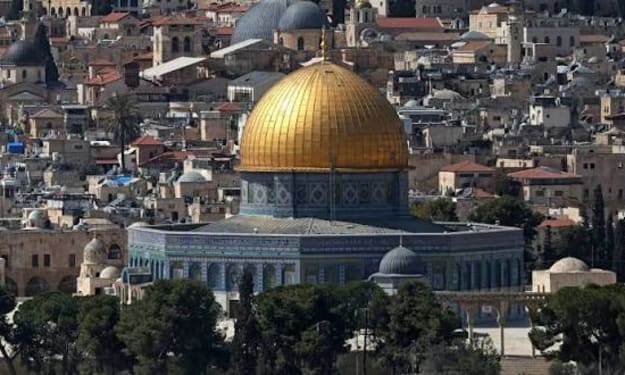
A coalition of eight Arab and Islamic countries has strongly condemned Israel’s temporary closure and tightened restrictions around the revered Al-Aqsa Mosque compound, warning that the move risks escalating tensions in the already fragile political and security environment of the region. The mosque, located in the contested city of Jerusalem, is one of Islam’s holiest sites and a central symbol in the decades-long Israeli–Palestinian conflict. The governments of Jordan, Saudi Arabia, Qatar, Turkey, Egypt, Kuwait, Pakistan, and Malaysia issued coordinated statements condemning what they described as an unjustified restriction on Muslim worshippers. The diplomatic statements called on Israel to immediately reopen the mosque compound and respect the historical and legal status quo governing the site. Israeli authorities said the closure was implemented for security reasons following clashes and intelligence warnings of possible unrest. Security forces temporarily restricted access to parts of the compound, citing concerns about violence between Palestinian protesters and Israeli police. However, the measures quickly triggered outrage across the Muslim world. Jordan, which historically holds custodianship over Islamic holy sites in Jerusalem through the Jerusalem Islamic Waqf, issued one of the strongest reactions. Amman’s foreign ministry described the move as a “dangerous escalation” and a violation of international law and existing agreements that regulate the administration of the mosque compound, also known to Muslims as Haram al-Sharif. Saudi Arabia also voiced deep concern, emphasizing the importance of safeguarding freedom of worship. The kingdom’s foreign ministry said the restrictions represented “a clear infringement on the sanctity of holy places,” urging the international community to intervene to prevent further deterioration of the situation. Turkey’s government echoed similar sentiments, accusing Israel of provoking tensions and undermining regional stability. Ankara warned that actions targeting the mosque could spark broader unrest among Muslim communities worldwide. Egypt and Qatar, both influential mediators in regional diplomacy, called for restraint on all sides while demanding the immediate restoration of normal access for worshippers. Officials from both countries stressed that any measures affecting Al-Aqsa carry enormous political and religious sensitivities that extend far beyond the borders of Israel and the Palestinian territories. Pakistan and Malaysia also joined the condemnation, framing the issue as part of the wider Palestinian struggle. Their foreign ministries reiterated support for Palestinian rights and urged international organizations to hold Israel accountable for actions that restrict access to holy sites. The compound housing Al-Aqsa Mosque is also revered by Jews as the Temple Mount, making it one of the most sensitive religious locations in the world. Any change in security arrangements there often sparks strong reactions from both Palestinians and Israelis. Past incidents involving restrictions or police raids have triggered widespread protests and sometimes violent confrontations. Palestinian leaders and religious authorities in Jerusalem said the closure disrupted prayers and created an atmosphere of fear among worshippers. Several Palestinian groups called for international pressure on Israel to guarantee free access to the mosque, particularly during important religious periods when thousands of worshippers normally gather there. International observers note that tensions surrounding the site frequently mirror broader political developments in the Israeli-Palestinian conflict. Analysts warn that disputes over access to Al-Aqsa Mosque can quickly escalate into wider unrest in Jerusalem, the West Bank, and even across the region. Diplomatic sources say behind-the-scenes efforts are already underway to de-escalate the situation. Regional mediators, including Jordan and Egypt, are believed to be in contact with Israeli officials to negotiate security arrangements that would allow the mosque to reopen fully while preventing further clashes. Despite these efforts, the episode highlights how deeply symbolic sites like Al-Aqsa remain flashpoints in Middle Eastern politics. For millions of Muslims around the world, the mosque represents not only a sacred place of worship but also a powerful symbol of identity and sovereignty. As diplomatic pressure mounts, the coming days will determine whether calm can be restored or whether the dispute will further inflame tensions in one of the world’s most volatile regions.
By Fiaz Ahmed 4 days ago in The Swamp



Comments
There are no comments for this story
Be the first to respond and start the conversation.