
Ukraine War Live: US’s Witkoff Set to Meet Putin in Moscow as Russia Claims Capture of Pokrovsk
New diplomatic moves unfold as Russia announces battlefield gains and the U.S. prepares for high-stakes talks in Moscow.

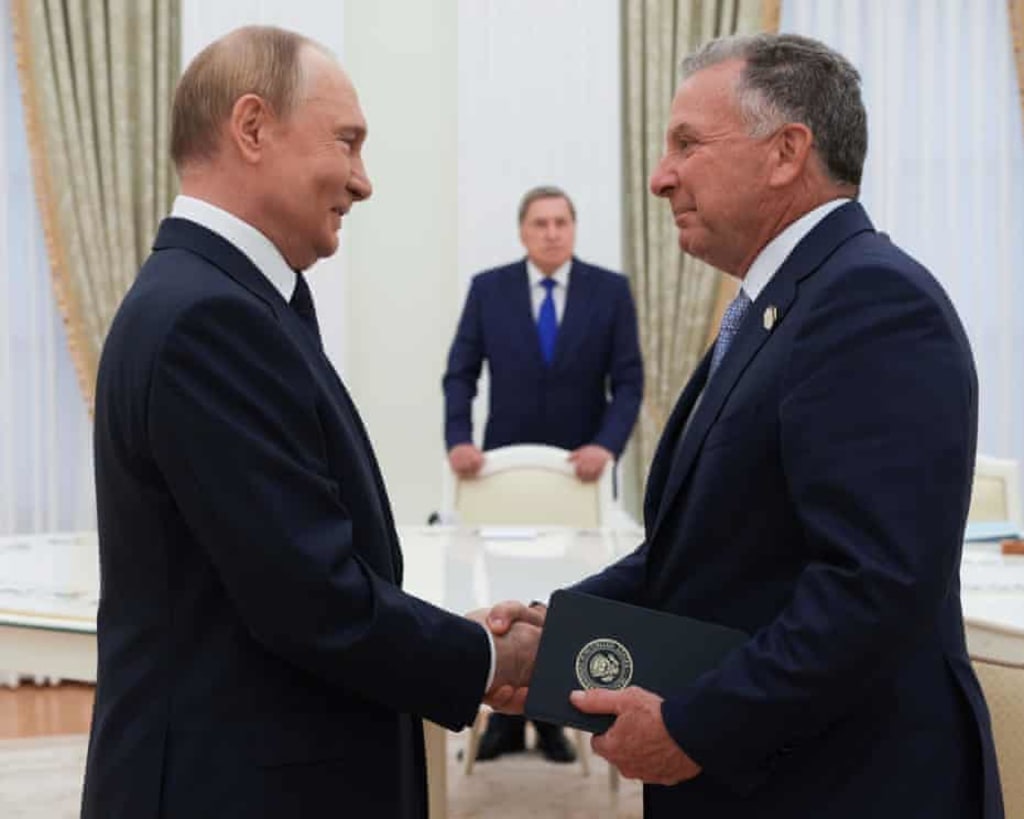
The war in Ukraine has taken another dramatic turn as the United States sends special envoy Steve Witkoff to Moscow for a crucial meeting with Russian President Vladimir Putin, while Russia simultaneously claims it has captured the strategically vital city of Pokrovsk. The developments, emerging almost side-by-side, have intensified global attention and raised serious questions about the direction of peace efforts after nearly four years of conflict.
With diplomacy and battlefield narratives unfolding in real time, both Kyiv and its Western allies are closely watching how these events may reshape political pressure, negotiations, and territorial realities on the ground.
A Critical Diplomatic Mission to Moscow
Steve Witkoff, accompanied by former White House adviser Jared Kushner, is heading to Moscow with what officials describe as a new, updated peace proposal from Washington. The timing of the visit is far from accidental. It follows recent U.S.–Ukraine meetings held in Florida, where Kyiv expressed deep concerns over perceived pressure to concede territory in exchange for a ceasefire.
For Ukraine, territorial integrity is the most sensitive and non-negotiable point. Any agreement that formalizes Russian control over occupied regions would be politically explosive at home and damaging internationally.
European allies, including France and Germany, have voiced growing concern that Washington may be rushing toward a deal that benefits Moscow more than Kyiv. They fear that a premature agreement — one that rewards territorial conquest — could undermine both Ukraine’s sovereignty and long-term European security.
Despite these tensions, the U.S. insists that the goal of the Moscow mission is simply to explore possibilities for a durable ceasefire and to prevent further escalation during a deeply unstable moment in the war.
Russia Claims Capture of Pokrovsk
While diplomatic efforts accelerate, Russia has claimed a major battlefield victory: the capture of Pokrovsk, a key logistical hub in the Donetsk region. The city, historically known as Krasnoarmeysk, has played a central role in Ukrainian troop movements, supply lines, and regional defense.
Russian officials hailed the alleged victory as a “significant breakthrough,” while state media framed it as evidence of the Kremlin’s momentum heading into renewed peace talks.
However, Ukraine has strongly disputed these claims. According to military officials in Kyiv, parts of Pokrovsk remain contested, with Ukrainian forces holding defensive positions in several neighborhoods. Independent analysts have echoed Kyiv’s caution, noting that no verified evidence yet confirms a full Russian takeover.
The Institute for the Study of War (ISW) reports that Russian announcements may be part of an information strategy intended to increase pressure on Ukraine ahead of diplomatic negotiations. In other words: publicize big victories, influence global narrative, and arrive at the negotiating table with “leverage.”
Why Pokrovsk Matters
Whether fully captured or partly contested, Pokrovsk is strategically crucial. Its location makes it one of the last major strongholds west of Donetsk city, serving as a gateway to further Ukrainian-controlled territory in the region.
If Russia were to firmly secure Pokrovsk, it would disrupt Ukrainian logistics and further complicate Kyiv’s ability to maintain defensive lines. Losing the city would also carry heavy symbolic weight — reinforcing the narrative that Russia continues to gain ground, despite Western military aid flowing into Ukraine.
This is why the timing of Russia’s announcement, just as U.S. envoys prepare to meet Putin, is raising eyebrows in diplomatic circles.
A Battle Over Narrative as Much as Territory
In modern warfare, information is often as critical as ammunition — and this phase of the conflict is no exception. Kyiv warns that Russia’s claims may form part of a broader “propaganda blitz” designed to shape public perception and influence negotiations.
By declaring victories, Moscow could be attempting to persuade the U.S. delegation that Ukraine is losing key ground and that peace terms must reflect new “realities” on the battlefield.
Ukraine, meanwhile, stresses the continued resistance of its forces and the urgent need for long-term international support. President Volodymyr Zelensky has repeatedly warned that any peace deal must guarantee Ukraine’s territorial integrity — otherwise it risks becoming a temporary truce that allows Russia to regroup and attack again later.
What Comes Next?
In the coming days, all eyes will be on Moscow. The Witkoff–Putin meeting could influence the trajectory of the conflict in several major ways:
If Russia senses diplomatic advantage, it may harden its demands for territorial concessions.
If the U.S. pushes too aggressively for compromise, it may strain relations with Kyiv and key European allies.
If Ukraine’s battlefield situation worsens, the diplomatic calculus may shift rapidly.
If the meeting produces even a small breakthrough, it could open the door to the first serious ceasefire talks in months.
But one thing remains clear: the gap between Russia’s demands and Ukraine’s conditions is still immense. Any path toward a stable peace will require bridging that divide — or fundamentally changing the landscape on the battlefield.
Conclusion
The simultaneous developments — Russia’s claim of capturing Pokrovsk and the arrival of a U.S. envoy for talks — have created one of the most consequential turning points of the war. Whether these events lead to meaningful peace progress or simply deepen the existing stalemate remains to be seen.
For now, the world watches closely as both diplomacy and military action intensify, each shaping the narrative and the next chapter of a war that continues to redefine global politics.
About the Creator
Asad Ali
I'm Asad Ali, a passionate blogger with 3 years of experience creating engaging and informative content across various niches. I specialize in crafting SEO-friendly articles that drive traffic and deliver value to readers.
Markets Fall and Gold and Silver Hit New Highs After Trump’s Latest Tariff Threat
Global markets were rocked after U.S. President Donald Trump’s latest tariff threats against European nations tied to Greenland. Stocks tumbled, while investors rushed into safe-haven assets like gold and silver, pushing their prices to record highs. The developments highlight the delicate balance between geopolitics and financial markets, showing how political decisions can quickly ripple through the global economy.
By Aarif Lashariabout 15 hours ago in The Swamp




Comments
There are no comments for this story
Be the first to respond and start the conversation.