
Ukraine War Briefing: Czechs Offer Drone-Hunting Jets as Zelenskyy Flags Air Defence Shortages
"Czech Republic Offers Specialized Drone-Hunting Jets to Help Ukraine Combat Growing UAV Threats Amid Air Defence Shortages"

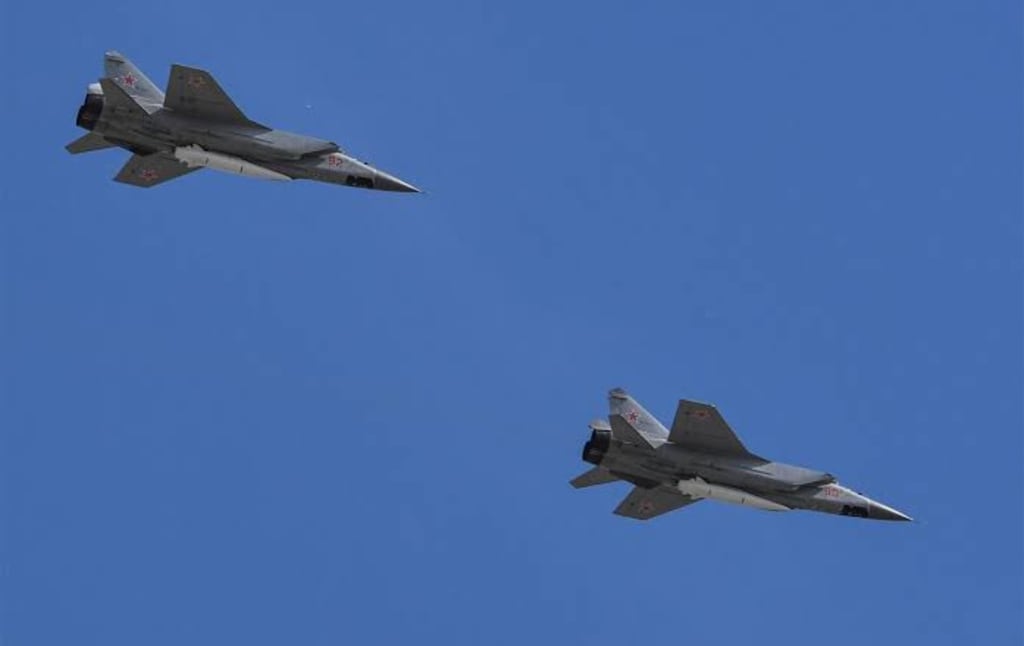
Ukraine’s war against Russia continues to highlight the urgent need for modern air defence systems, with President Volodymyr Zelenskyy warning that his country faces growing gaps in protecting its skies. In response to these concerns, the Czech Republic has stepped forward, offering specialized drone-hunting jets to assist Ukraine in countering the increasing threat of unmanned aerial vehicles (UAVs) deployed by Russian forces. This development underscores the evolving nature of warfare in Ukraine and the critical role of international support.
Zelenskyy, speaking in a recent briefing, emphasized that Ukrainian air defence capabilities are stretched thin. Russian forces have increasingly relied on drones for reconnaissance, precision strikes, and artillery targeting, creating challenges for Ukraine’s existing radar and missile systems. “Our air defence is performing heroically, but the threats are growing, and we need support,” Zelenskyy said, highlighting the urgent need for modern equipment to counter small, fast-moving UAVs that are difficult to track and intercept.
The Czech Republic’s offer comes amid rising European concern over the sustainability of Ukraine’s defence posture. Czech officials have proposed sending specialized fighter jets designed to intercept and neutralize drones, sometimes called “drone-hunting” aircraft. These jets are equipped with advanced radar, electronic warfare systems, and air-to-air missile capabilities tailored to target UAVs. Analysts believe that such systems could provide Ukraine with a crucial layer of defence, particularly around critical infrastructure, military bases, and supply hubs.
The Ukrainian conflict has shown that drones have become a central component of modern warfare. Russia’s use of swarm drones, small surveillance UAVs, and weaponized drones has forced Kyiv to adapt rapidly. Traditional air defence systems, while effective against larger aircraft and missiles, often struggle to detect and destroy smaller drones at low altitudes. The introduction of specialized drone-hunting jets could help Ukraine close this technological gap, giving its forces greater confidence in defending vital positions.
However, integrating new aircraft into Ukraine’s military is not without challenges. Training pilots, establishing logistics support, and maintaining high operational readiness are all critical. Experts warn that simply delivering advanced equipment is insufficient unless it is paired with effective operational planning and maintenance infrastructure. Ukraine’s military has faced similar hurdles in the past when receiving Western fighter jets, underscoring the importance of comprehensive support packages alongside hardware.
International reactions to the Czech proposal have been broadly positive. European nations have increasingly recognized that supporting Ukraine requires not just ground weapons, but a multi-dimensional approach that addresses air, sea, and cyber threats. Countries such as Poland and Germany have indicated interest in bolstering Ukraine’s air defence, while the United States continues to supply missile systems and radar technology. The Czech initiative is seen as a timely step that complements these broader efforts.
Experts also point out that the drone threat is not merely tactical—it has strategic implications. Drones allow Russian forces to bypass traditional defensive lines, gather intelligence, and strike high-value targets with relative impunity. By enhancing Ukraine’s ability to counter drones, the Czech Republic is helping level the playing field, giving Kyiv the ability to protect critical infrastructure, maintain supply chains, and conduct counteroffensive operations with reduced vulnerability from aerial surveillance and strikes.
Beyond immediate military considerations, the offer also sends a symbolic message of solidarity. The Czech Republic, a NATO member, is signaling that European partners are willing to provide innovative solutions to emerging threats, even as the conflict enters its extended phase. For Ukraine, receiving such support reinforces the perception that its struggle has broader geopolitical significance and that allies remain committed to ensuring its territorial integrity.
While the introduction of drone-hunting jets will not solve all of Ukraine’s air defence challenges, it represents a meaningful step in addressing one of the conflict’s most pressing vulnerabilities. Zelenskyy has made clear that his country requires continued international assistance, not only to survive the current offensive but to modernize its armed forces and prepare for the long-term implications of high-tech warfare.
As the war continues, Ukraine’s evolving defence strategy highlights the importance of technological adaptation, international cooperation, and proactive planning. With Czech support and broader Western aid, Kyiv aims to close critical gaps in its air defence, protect its population, and maintain operational resilience against Russian aggression. The deployment of drone-hunting jets may well mark a turning point in Ukraine’s aerial defence capabilities, offering hope that emerging threats can be countered with innovation and collaboration.
About the Creator
Fiaz Ahmed Brohi
I am a passionate writer with a love for exploring and creating content on trending topics. Always curious, always sharing stories that engage and inspire.
Keep reading
More stories from Fiaz Ahmed Brohi and writers in The Swamp and other communities.
Protests in Greenland and Denmark Against Trump Plans
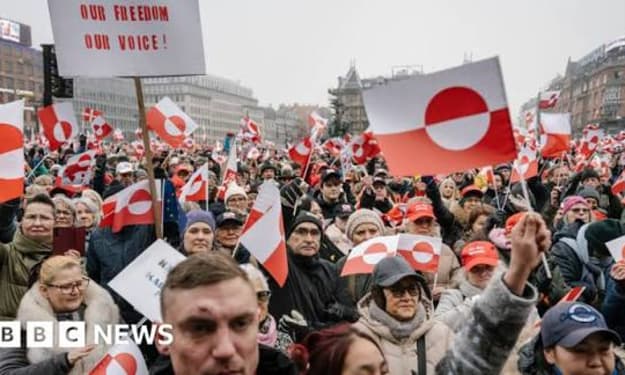
Greenland and Denmark are witnessing a wave of protests in response to former U.S. President Donald Trump’s controversial plans regarding the Arctic territory. The unrest highlights a growing concern among citizens about sovereignty, national security, and the broader implications of foreign involvement in the region. With Trump’s past interest in acquiring Greenland making headlines, the protests reflect both local frustrations and the international significance of Arctic geopolitics. The protests have been widespread, with thousands of Greenlanders taking to the streets in the capital Nuuk and other towns. Demonstrators carried placards reading slogans such as “Greenland is not for sale” and “Our land, our future”. Many citizens expressed deep unease over what they perceive as attempts by external powers to exert control over the island’s resources and strategic position. Greenland, while an autonomous territory under the Kingdom of Denmark, is rich in natural resources including rare earth elements, minerals, and potential oil and gas reserves. The Arctic region’s strategic importance for shipping routes and military positioning has also intensified interest from global powers. In Denmark, protests have echoed similar concerns. Copenhagen has seen demonstrations both in support of Greenland’s autonomy and in opposition to any U.S. intervention. Citizens worry that political negotiations involving Trump could compromise Denmark’s influence over its territories and destabilize the delicate balance of governance in the Arctic. Danish Prime Minister Mette Frederiksen has reiterated that Greenland’s people must decide their future, emphasizing self-determination and the right to manage their land without outside pressure. Trump’s reported interest in Greenland, first revealed during his presidency, reignited fears that the U.S. might attempt to exert control over the island in ways that bypass local governance. Though Trump later downplayed his intentions, the issue has persisted in public discourse, fueled by social media campaigns and news coverage. Greenlanders’ reaction is rooted in a long history of asserting their independence from external powers. While Denmark retains responsibility for foreign affairs and defense, Greenland exercises control over its domestic policies, cultural affairs, and natural resources. Experts note that the protests are also a statement on broader Arctic geopolitics. The Arctic has become a focal point for competition among global powers, including the U.S., Russia, and China. Strategic military bases, shipping lanes that could reduce trade times significantly, and untapped natural resources make the region increasingly valuable. Greenland’s location between North America and Europe adds to its importance. Protesters argue that any move by foreign governments to influence Greenland could set a precedent, risking the island’s autonomy and sovereignty. Environmental concerns have also fueled public anger. Greenland’s fragile ecosystem is under threat from climate change, rising sea levels, and potential industrial exploitation. Many activists fear that foreign intervention could accelerate environmental degradation, putting communities and wildlife at risk. Local leaders stress that decisions regarding mining, oil drilling, and infrastructure must be made with Greenlandic priorities in mind, not as part of geopolitical maneuvering by powerful nations. The protests have drawn international attention. Media outlets worldwide have reported on the demonstrations, highlighting how Greenlanders and Danes alike are mobilizing to defend their land and decision-making rights. Social media platforms have amplified the message, with hashtags calling for respect for Greenlandic autonomy trending in multiple countries. Some commentators suggest that these protests serve as a reminder that small populations can exert significant influence on global conversations, particularly when it comes to territorial sovereignty and environmental stewardship. Political analysts note that while Trump is no longer in office, his plans continue to have a symbolic impact. The protests represent a broader resistance to foreign interference and a call for local governance. Greenland’s government has responded diplomatically, urging calm while reaffirming that any discussions regarding the island’s future must involve Greenlandic representatives directly. The Danish government has also supported this stance, ensuring that any international engagement respects Greenland’s autonomy. In conclusion, the protests in Greenland and Denmark against Trump’s plans underscore the importance of sovereignty, self-determination, and environmental stewardship in the Arctic. They highlight the intersection of local concerns with global geopolitics and demonstrate how communities can mobilize to protect their interests. As international attention remains focused on the Arctic, Greenlanders continue to assert their voice, reminding the world that the island’s future rests in the hands of its own people, not external powers. The protests are more than just a reaction to past political statements; they reflect a deep, ongoing commitment to local decision-making, cultural preservation, and sustainable development. For Greenland and Denmark, the message is clear: the Arctic is not a bargaining chip—it is home to people who are determined to shape their destiny.
By Fiaz Ahmed Brohi2 days ago in The Swamp
Time to Dump Trump? Europeans Whisper Last-Resort Options to Save Greenland
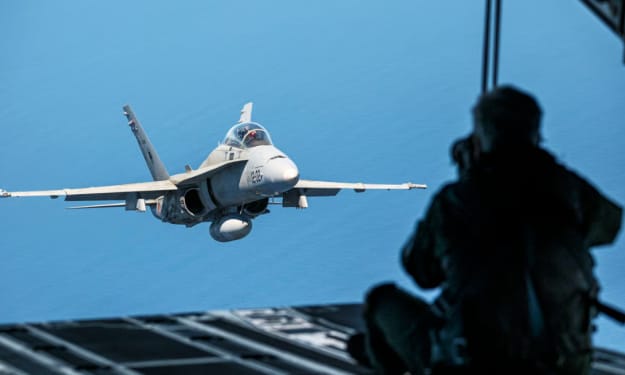
In diplomatic circles across Europe, a phrase once unthinkable is now being whispered behind closed doors: What if the alliance can’t hold? As renewed pressure from former U.S. President Donald Trump resurfaces over Greenland, European officials are reportedly discussing last-resort options to safeguard the strategically vital Arctic territory — even if it means distancing themselves from Washington. While public statements remain carefully measured, private conversations suggest a growing anxiety: Greenland has become a geopolitical fault line, testing NATO solidarity, transatlantic trust, and Europe’s ability to defend its own interests. Why Greenland Is Suddenly at the Center of Global Power Politics Greenland is not just the world’s largest island. It is a strategic prize. Located between North America and Europe, Greenland sits at the crossroads of Arctic shipping lanes, missile defense routes, and untapped reserves of rare earth minerals. As climate change melts Arctic ice, access to these routes and resources is expanding — turning the region into a global competition zone. The United States already maintains a military presence in Greenland through Thule Air Base, vital to missile warning and space surveillance. But Trump’s earlier proposal to buy Greenland outright shocked European capitals and Denmark alike, reframing the island not as a partner but as a commodity. Now, with Trump once again influencing U.S. foreign policy discourse, European leaders fear that economic pressure, security leverage, or political coercion could return. Denmark’s Dilemma and Europe’s Unease Greenland is an autonomous territory within the Kingdom of Denmark, and Copenhagen has repeatedly stated that it is not for sale. Yet Denmark alone lacks the political and military weight to counter sustained pressure from Washington. That’s where Europe enters the picture. Behind the scenes, diplomats from Germany, France, and Nordic countries are reportedly discussing how to shield Denmark and Greenland from unilateral U.S. moves. These discussions are not about confrontation — at least not yet — but about contingency planning. The uncomfortable truth is this: Europe has long relied on the U.S. for Arctic security, and challenging Washington risks exposing Europe’s own strategic weaknesses. What Are the “Last-Resort Options”? European officials are careful not to spell out these ideas publicly, but analysts point to several possibilities under quiet consideration. 1. Deepening EU Involvement in Greenland One option is stronger European Union engagement with Greenland — economically, politically, and diplomatically. This could include increased investment in infrastructure, climate research, and sustainable mining projects to reduce Greenland’s reliance on external powers. By anchoring Greenland more firmly within Europe’s economic orbit, the EU could make any U.S. attempt at leverage far more complicated. 2. Expanded European Security Presence Another option involves enhancing European defense cooperation in the Arctic, potentially through joint patrols, surveillance missions, or NATO-aligned European initiatives that do not rely solely on U.S. leadership. This would be a delicate move, as NATO cohesion depends heavily on U.S. participation. Still, some European officials believe greater autonomy is overdue. 3. Legal and Diplomatic Shields Europe could also pursue stronger legal frameworks affirming Greenland’s right to self-determination and Denmark’s sovereignty. While largely symbolic, such measures would raise the diplomatic cost of any aggressive maneuver. In extreme scenarios, coordinated diplomatic resistance — even sanctions or formal rebukes — could be considered, though most officials view this as a true last resort. Why Trump Changes the Equation European leaders are accustomed to managing disagreements with Washington. What makes Trump different is unpredictability. During his presidency, Trump repeatedly questioned NATO commitments, framed alliances as transactional, and blurred the line between negotiation and coercion. His interest in Greenland was not just strategic — it was personal, public, and disruptive. The fear in Europe is not necessarily that Trump would “take” Greenland, but that he might use U.S. security guarantees as leverage, forcing concessions through pressure rather than partnership. For European capitals already dealing with Ukraine, energy insecurity, and domestic political shifts, another transatlantic crisis is the last thing they want. Greenland’s Own Voice Amid the power politics, Greenlanders themselves are increasingly vocal. Many in Greenland support greater autonomy or eventual independence — but not annexation. Local leaders have emphasized that Greenland’s future must be decided by its people, not foreign governments. European officials privately acknowledge that ignoring Greenlandic voices would undermine their moral position. Any European strategy, they argue, must prioritize economic development, environmental protection, and self-governance, not just strategic defense. A Test for Transatlantic Relations At its core, the Greenland issue is about more than territory. It raises uncomfortable questions: Can Europe protect its interests without U.S. backing? Is NATO flexible enough to survive internal disagreements? What happens when allies no longer trust each other’s intentions? For now, European leaders are trying to avoid open confrontation, hoping that diplomacy and quiet deterrence will keep tensions from escalating. But the whispers themselves are revealing. They suggest that Europe is, for the first time in decades, seriously contemplating a future where American leadership is not guaranteed. Why This Moment Matters The Arctic is warming faster than any other region on Earth — physically and politically. What happens in Greenland could set a precedent for how global powers compete in newly accessible regions. If Europe fails to act, it risks appearing passive and divided. If it acts too forcefully, it risks fracturing the transatlantic alliance that has underpinned its security since World War II. It is a narrow path — and one that demands strategic clarity Europe has often postponed. Final Thoughts “Time to dump Trump?” may sound dramatic, but it captures a deeper unease spreading across European capitals. Greenland has become a symbol of a shifting world — one where alliances are tested, assumptions are challenged, and old guarantees no longer feel automatic. Europe is not eager for a break with Washington. But the quiet conversations suggest a realization that preparation is not betrayal. Whether these whispered last-resort options remain theoretical — or become policy — will depend on how the next phase of U.S. politics unfolds. For Greenland, Europe, and the Arctic, the stakes could not be higher.
By Muhammad Hassan5 days ago in The Swamp


Comments
There are no comments for this story
Be the first to respond and start the conversation.