
Ukraine Strikes Russia’s Druzhba Pipeline Network
Ukrainian drones hit a key oil pumping station on Russia’s Druzhba pipeline, igniting fires and escalating tensions over energy flows to Europe.

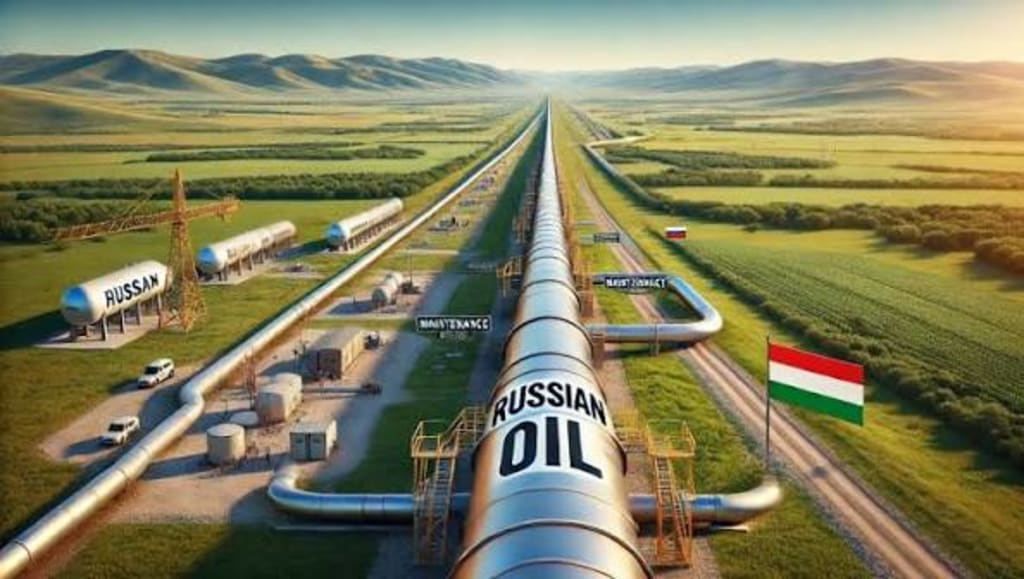
Ukrainian forces have carried out a deep-penetration strike targeting critical infrastructure tied to Druzhba pipeline, one of Russia’s largest oil transport networks, according to Ukrainian and open-source reports. The attack—conducted with long-range unmanned drones—ignited explosions and a major fire at a key pumping station in Russia’s Tatarstan region, underscoring Kyiv’s ongoing strategy of disrupting Moscow’s energy exports and the revenues that fuel its war effort
The strike occurred overnight in the early hours of 23 February 2026, roughly 1,200 kilometres from Ukraine’s border, at the Kaleikino oil pumping station near Almetyevsk, a crucial hub where crude from Siberia and the Volga is blended and fed into the Druzhba system. Ukrainian Security Service (SBU) sources said multiple explosions rocked the facility before oil tanks caught fire, leaving a blaze that could be seen for miles.
Strategic Target Deep Inside Russia
The Druzhba pipeline—literally meaning “friendship”—was built during the Soviet era to transport crude oil westward into Europe, becoming one of the world’s longest and most important export conduits. It has long been central to Russia’s energy diplomacy and provides crude to refineries in countries including Hungary and Slovakia, which have historically relied on Druzhba supplies for much of their petroleum needs
Hitting the Kaleikino station, far from the frontline battlefields, illustrates the reach of Ukraine’s drone and unmanned systems forces. Analysts say such attacks are aimed at cutting off Russia’s hydrocarbon revenues, a major source of funding for the Kremlin’s war operations, and at applying economic pressure even beyond territorial combat zones.
Impact on the Pipeline and Energy Flows
Officials have not fully assessed the broader impact on pipeline operations, but Russia’s regional authorities acknowledged explosions and subsequent fires, though they described the situation as “under control.” Independent monitoring channels, however, reported widespread flames and significant disruption to the hub’s functions.
The attack follows a period of heightened tension surrounding the Druzhba network. Earlier in the year, deliveries through the route that travels across Ukrainian territory were halted after damage to infrastructure in January, leading to a temporary cutoff of Russian crude supplies to Hungary and Slovakia, both of whose energy sectors depend heavily on that line.
Disruption of the pipeline has also sparked controversy within the European Union, as nations debate energy security, sanctions enforcement, and the balance between supporting Ukraine and safeguarding critical supply lines. Some EU officials have suggested alternative routes like the Odesa–Brody pipeline to ensure crude oil continues to reach central Europe.
Political and Diplomatic Fallout
The strike has already drawn sharp criticism from Hungarian and Slovak authorities, who view attacks on the pipeline as direct threats to their energy security. Hungarian Prime Minister Viktor Orbán, a long-standing critic of Ukraine’s energy strategy in this context, has linked pipeline damage to broader disputes over EU support and financing for Kyiv.
Budapest threatened to block further EU loans to Ukraine unless oil transit through Druzhba resumed, a stance that has complicated unified Western backing for Kyiv on the eve of the war’s fourth anniversary. Similar concerns have been voiced in Bratislava, which is facing industrial slowdowns and has begun securing oil supplies from alternative sources.
The Kyiv Independent
Wider Military and Economic Context
The SBU’s statement framed the attack as part of a methodical campaign to reduce Russia’s ability to finance its military operations. “Our special operations work to reduce Russia’s oil extraction and transportation,” a Ukrainian source told media, emphasizing that the disruption of energy exports is part of broader strategic pressure. �
newsukraine.rbc.ua
Russia’s state-controlled pipeline operator Transneft oversees the Druzhba network, which supplies millions of barrels of crude annually. Damage to nodes like Kaleikino — especially when coupled with earlier outages along the network — could have long-lasting implications for Russian oil revenues and for European energy markets still adjusting to sanctions and wartime disruptions.
Conclusion: Escalation and Energy Security
The strike on the Druzhba pipeline network represents a significant escalation in the conflict between Ukraine and Russia, extending the battlefield into strategic economic infrastructure. It underscores the growing role that energy facilities play in modern warfare and the complex geopolitical ramifications of targeting export routes that affect not just the belligerents but neighboring countries’ energy security.
As Kyiv continues to assert pressure on Russia’s economic lifelines, European nations must balance solidarity with Ukraine against the immediate need to secure reliable energy supplies — a challenge that is likely to shape diplomatic discussions throughout 2026 and beyond.
About the Creator
Fiaz Ahmed
I am Fiaz Ahmed. I am a passionate writer. I love covering trending topics and breaking news. With a sharp eye for what’s happening around the world, and crafts timely and engaging stories that keep readers informed and updated.
Keep reading
More stories from Fiaz Ahmed and writers in The Swamp and other communities.
More Than 600 People Have Died Trying to Cross Mediterranean in 2026, UN Says
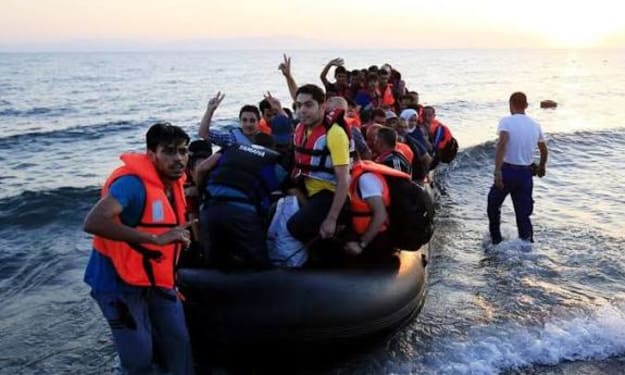
At least 606 people have been reported dead or missing while attempting to cross the Mediterranean Sea so far in 2026, marking the deadliest start to a year since the United Nations began systematically recording migrant deaths in 2014, the International Organization for Migration has said. The figures, released in a statement on 23 February 2026, paint a grim picture of the risks faced by people fleeing conflict, poverty, and instability in Africa, the Middle East, and South Asia in hopes of reaching Europe. Many set off from North African ports—particularly in Libya and Tunisia—on flimsy, overcrowded boats operated by human smugglers who exploit desperate migrants seeking a better life. Deadliest Start to a Year in Over a Decade The IOM’s data indicates that the 2026 toll already surpasses the same period in previous years, making the first weeks of 2026 the most lethal for Mediterranean migration since tracking began more than a decade ago. The figure includes at least 30 people feared dead or missing after a vessel capsized in severe weather off the coast of Crete late last weekend. Authorities rescued 20 people, including four minors, and recovered the bodies of four adults, according to reports. The ill-fated vessel set sail from Tobruk on 19 February, but overturned roughly 20 nautical miles (37 km) south of Kali Limenes, a small port on the Greek island. Rescuers—including commercial ships diverted to assist—joined Greek patrol boats in the search for survivors. Storms, Smugglers and Dangerous Routes The tragedy comes amid harsh weather conditions, which have repeatedly made crossings more perilous. Severe winter storms in the Mediterranean have contributed to multiple vessel capsizes this year, in some cases drowning hundreds of people in single incidents. The IOM and other aid organizations stress that smugglers continue to send unseaworthy boats into dangerous waters, often with insufficient safety equipment. The Mediter ean—especially the central route between North Africa and southern Europe—is one of the world’s deadliest migration corridors. Last year alone, more than 1,000 migrants died or went missing on the central route, according to the IOM. Despite the risks, departures remain steady. Mixes of conflict, economic hardship, climate change impacts, and limited legal avenues for migration have pushed many to seek asylum or a new life in Europe. Smugglers exploit this desperation, charging high fees for passage on overcrowded and unstable boats. The result has been repeated loss of life on the open sea. Response from International Agencies The IOM has urgently called for increased search and rescue efforts, stronger regional cooperation, and the expansion of safe and legal migration pathways to reduce the need for perilous crossings. The agency spokeswoman emphasized that preventing loss of life requires investment in coordinated maritime rescue operations and policies that diminish the power of criminal smuggling networks. Human rights NGOs have echoed these calls, stressing that saving lives at sea must be prioritized over punitive border control measures. They argue that without alternative avenues for refugees and asylum seekers, people will continue to risk their lives on the Mediterranean despite repeated tragedies. Impact on European and African Partners European governments have struggled to balance humanitarian obligations with political pressure to tighten border controls. Recent EU discussions on asylum reform reflect divisions between member states on how to handle irregular migration while ensuring safety at sea. Meanwhile, countries like Italy and Greece, which often face the most arrivals, have increased coastal patrols and engaged with Libyan and Tunisian authorities to curb departures. North African states, however, warn that simply halting departures without addressing underlying causes will only shift routes and push migrants into even more dangerous journeys farther west or through the perilous Atlantic crossing to Spain’s Canary Islands A Humanitarian Crisis Continues The tragic surge in deaths highlights that the Mediterranean migration crisis is far from over. As the death toll rises, international organizations, governments, and civil society groups face renewed pressure to act. Without safe alternatives and robust rescue operations, the Mediterranean is likely to continue claiming lives of those seeking refuge and opportunity in Europe.
By Fiaz Ahmed about 4 hours ago in The Swamp
A Gathering of Evil Bosses
“I’m the queen of chin jutting while I smooth my hair, attacking, insulting, and deflecting to protect my appointer.” “Oh, please, Blondi, my hair is curled, highlighted, and longer than yours. I feature television commercials telling immigrants that we will give them a free plane ride home, and if they voluntarily turn themselves in, they will be allowed to legally apply for re-entry. It runs everywhere, and I look good in it! You can’t compete because of your blond hair. Mine is nicer, and my lips are prettier than yours.”
By Andrea Corwin 6 days ago in The Swamp
After Lonely Baby Monkey Goes Viral, His Ikea Comfort Toy Sells Out
In a world often overwhelmed by bad news, it only takes one small, emotional story to remind people of kindness and connection. That moment arrived when a video of a lonely baby monkey clutching a soft stuffed toy went viral across social media platforms. The monkey, visibly frightened and seeking comfort, wrapped its tiny arms around the plush toy as if it were a lifeline.
By Sajida Sikandar2 days ago in The Swamp



Comments
There are no comments for this story
Be the first to respond and start the conversation.