
More Than 600 People Have Died Trying to Cross Mediterranean in 2026, UN Says
UN data shows the Mediterranean has seen its deadliest start to a year in over a decade, with more than 600 migrants dead or missing in 2026.

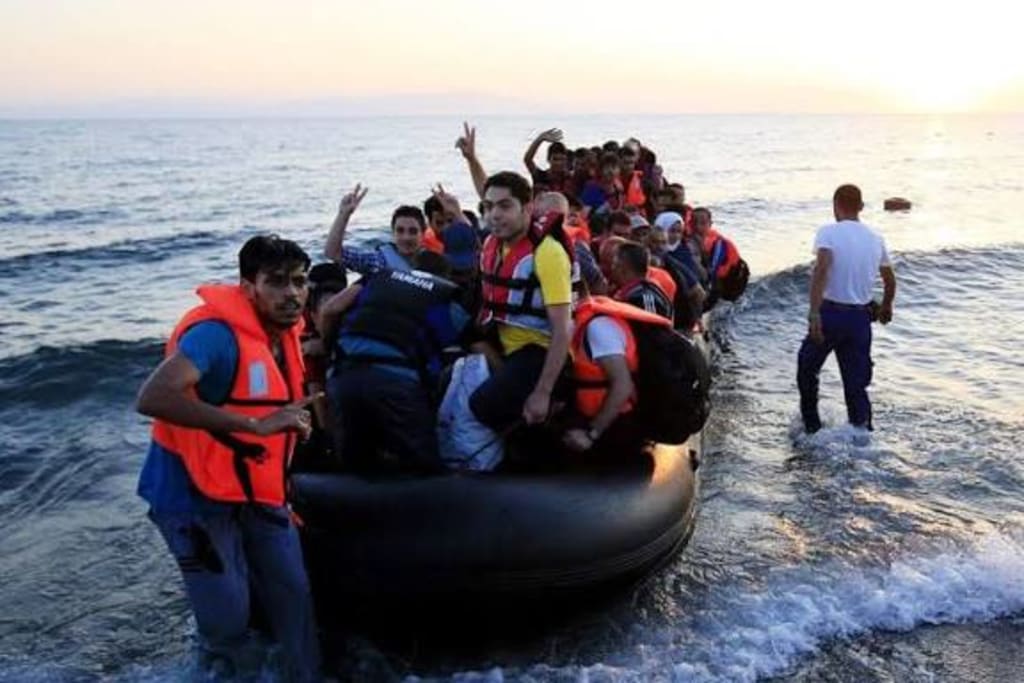
At least 606 people have been reported dead or missing while attempting to cross the Mediterranean Sea so far in 2026, marking the deadliest start to a year since the United Nations began systematically recording migrant deaths in 2014, the International Organization for Migration has said.
The figures, released in a statement on 23 February 2026, paint a grim picture of the risks faced by people fleeing conflict, poverty, and instability in Africa, the Middle East, and South Asia in hopes of reaching Europe. Many set off from North African ports—particularly in Libya and Tunisia—on flimsy, overcrowded boats operated by human smugglers who exploit desperate migrants seeking a better life.
Deadliest Start to a Year in Over a Decade
The IOM’s data indicates that the 2026 toll already surpasses the same period in previous years, making the first weeks of 2026 the most lethal for Mediterranean migration since tracking began more than a decade ago. The figure includes at least 30 people feared dead or missing after a vessel capsized in severe weather off the coast of Crete late last weekend. Authorities rescued 20 people, including four minors, and recovered the bodies of four adults, according to reports.
The ill-fated vessel set sail from Tobruk on 19 February, but overturned roughly 20 nautical miles (37 km) south of Kali Limenes, a small port on the Greek island. Rescuers—including commercial ships diverted to assist—joined Greek patrol boats in the search for survivors.
Storms, Smugglers and Dangerous Routes
The tragedy comes amid harsh weather conditions, which have repeatedly made crossings more perilous. Severe winter storms in the Mediterranean have contributed to multiple vessel capsizes this year, in some cases drowning hundreds of people in single incidents. The IOM and other aid organizations stress that smugglers continue to send unseaworthy boats into dangerous waters, often with insufficient safety equipment.
The Mediter ean—especially the central route between North Africa and southern Europe—is one of the world’s deadliest migration corridors. Last year alone, more than 1,000 migrants died or went missing on the central route, according to the IOM.
Despite the risks, departures remain steady. Mixes of conflict, economic hardship, climate change impacts, and limited legal avenues for migration have pushed many to seek asylum or a new life in Europe. Smugglers exploit this desperation, charging high fees for passage on overcrowded and unstable boats. The result has been repeated loss of life on the open sea.
Response from International Agencies
The IOM has urgently called for increased search and rescue efforts, stronger regional cooperation, and the expansion of safe and legal migration pathways to reduce the need for perilous crossings. The agency spokeswoman emphasized that preventing loss of life requires investment in coordinated maritime rescue operations and policies that diminish the power of criminal smuggling networks.
Human rights NGOs have echoed these calls, stressing that saving lives at sea must be prioritized over punitive border control measures. They argue that without alternative avenues for refugees and asylum seekers, people will continue to risk their lives on the Mediterranean despite repeated tragedies.
Impact on European and African Partners
European governments have struggled to balance humanitarian obligations with political pressure to tighten border controls. Recent EU discussions on asylum reform reflect divisions between member states on how to handle irregular migration while ensuring safety at sea. Meanwhile, countries like Italy and Greece, which often face the most arrivals, have increased coastal patrols and engaged with Libyan and Tunisian authorities to curb departures.
North African states, however, warn that simply halting departures without addressing underlying causes will only shift routes and push migrants into even more dangerous journeys farther west or through the perilous Atlantic crossing to Spain’s Canary Islands
A Humanitarian Crisis Continues
The tragic surge in deaths highlights that the Mediterranean migration crisis is far from over. As the death toll rises, international organizations, governments, and civil society groups face renewed pressure to act. Without safe alternatives and robust rescue operations, the Mediterranean is likely to continue claiming lives of those seeking refuge and opportunity in Europe.
About the Creator
Fiaz Ahmed
I am Fiaz Ahmed. I am a passionate writer. I love covering trending topics and breaking news. With a sharp eye for what’s happening around the world, and crafts timely and engaging stories that keep readers informed and updated.
Keep reading
More stories from Fiaz Ahmed and writers in The Swamp and other communities.
German Tourists Trying to Create Floating Sauna Rescued From Swedish Ice Floe
A group of five German tourists were rescued after their daring attempt to create a floating sauna on an ice floe turned into a dangerous drift at sea in Sweden’s Stockholm archipelago. The unusual incident, which could have ended in tragedy, highlighted both the creativity and the risks associated with winter activities in icy waters. Swedish authorities say the group, who were vacationing in the area, had apparently sawn a piece of ice free from the mainland and outfitted it with a sauna tent, an outboard motor, and a collection of recreational gear. Their plan — to float the mobile sauna across the water — went awry when waves from a passing passenger ferry weakened the ice and sent the makeshift vessel drifting into deeper waters near Värmdö Island, east of Stockholm. DIY Sauna Adventure Turns Risky According to transport officials, the ice floe began breaking up after the swell from the ferry passed, leaving the five tourists stranded hundreds of metres from shore. A witness aboard the ferry said the group seemed unaware of the danger until their ice platform began to fracture and drift. The tourists were reported to have brought an odd assortment of equipment with them, including a motorised saw, a stand-up paddleboard, and a GoPro camera, suggesting that they may have been filming or documenting their unusual adventure. The presence of the boat motor indicates they may have hoped to use it to steer or propel the ice floe, though this proved impossible once it began drifting. Passers-by described the sight of figures in sub-zero temperatures standing on a narrow piece of ice surrounded by open water as “bizarre” and “spectacular.” The area around the archipelago is known for winter ice activity, but officials emphasised that this was the first known instance of a DIY floating sauna ending up adrift. Rescue Operation and Return to Shore The crew of the passenger ferry was the first to respond to the scene. Four of the stranded tourists were pulled to safety on Sunday after the ferry reversed course once it became clear that the ice was breaking apart. A fifth tourist stayed behind briefly to collect equipment before being rescued separte Rescue crews used onboard equipment, including a crane and safety harnesses, to retrieve the tourists as their ice platform continued to disintegrate. All five were returned safely to the harbour village of Stavsnäs, apparently unharmed and likely in shock after their unexpected ordeal. Karolina Wichman, a spokesperson for the Stockholm transport administration, said that it’s common for locals and visitors to need help on the ice during winter, but this particular incident was “quite a spectacle.” She explained that while there was no strong wind and the weather was calm before the accident, ice floes can be unpredictable and easily influenced by boat wakes and temperature changes. The Appeal and Risks of Ice Activities The Stockholm archipelago is a popular winter destination, with locals and tourists alike engaging in ice skating, fishing, and other cold-weather activities. However, experts warn that ice conditions can vary greatly and change rapidly, especially near waterways frequented by ferries and other boats. Warming waves and breaks in the ice can lead to unexpected hazards for those venturing too far from shore. Swedish rescue services often respond to calls for assistance from skaters and adventurers who find themselves stranded or facing thin ice, but rarely has a situation involved a homemade floating sauna. It remains unclear whether the tourists intended the sauna drift as a stunt, a social media project, or simply an eccentric way to enjoy the icy environment. Authorities Stress Safety Precautions Officials took the opportunity to remind visitors of basic safety measures around ice, such as checking ice thickness, avoiding areas with boat traffic, and always informing someone on shore of travel plans. Ice conditions can be treacherous even on calm days, and novice adventurers without safety training can quickly find themselves in dangerous situations. For the five German tourists, what may have seemed like an adventurous winter experiment turned into an unexpected rescue operation — one that serves as a cautionary tale about the unpredictability of ice and water in northern climates.
By Fiaz Ahmed about 6 hours ago in The Swamp
A Gathering of Evil Bosses
“I’m the queen of chin jutting while I smooth my hair, attacking, insulting, and deflecting to protect my appointer.” “Oh, please, Blondi, my hair is curled, highlighted, and longer than yours. I feature television commercials telling immigrants that we will give them a free plane ride home, and if they voluntarily turn themselves in, they will be allowed to legally apply for re-entry. It runs everywhere, and I look good in it! You can’t compete because of your blond hair. Mine is nicer, and my lips are prettier than yours.”
By Andrea Corwin 6 days ago in The Swamp




Comments
There are no comments for this story
Be the first to respond and start the conversation.