
Ukraine Peace Talks Delayed After Russia and U.S. Meeting Ends Without Agreement
Failure to reach consensus postpones negotiations with Ukraine Global pressure mounts for renewed dialogue Humanitarian corridors left uncertain after talks stall Markets and allies react to diplomatic setback UN urges return to negotiations amid rising tensions Political divisions hinder progress toward ceasefire A fragile peace process faces another obstacle

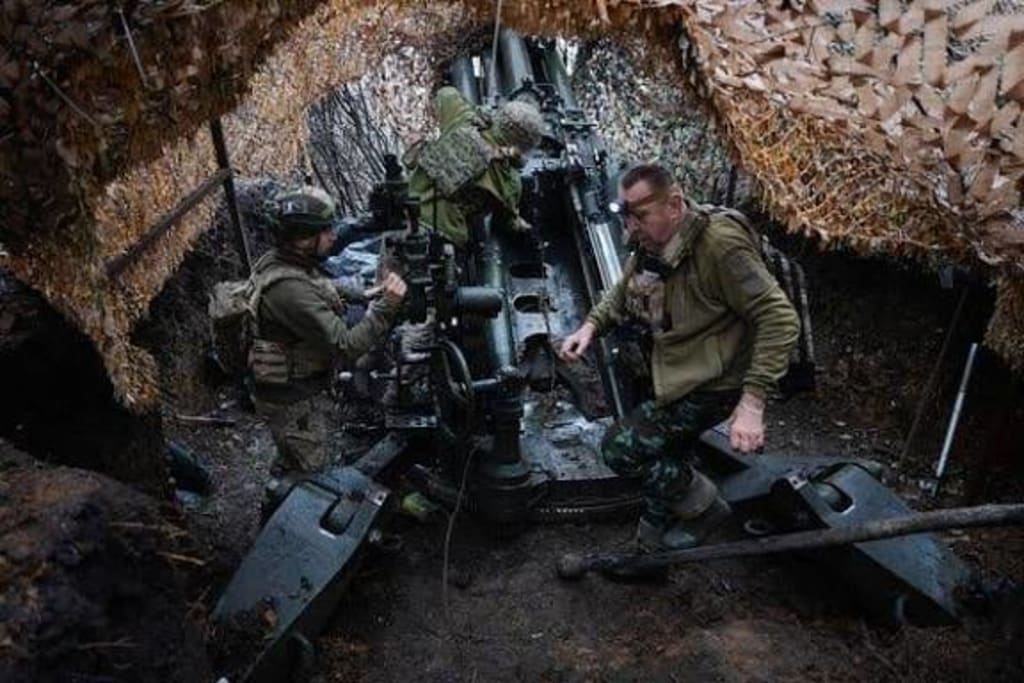
Peace talks aimed at reducing tensions between Ukraine and Russia have been delayed following a high-level meeting between Russian and U.S. officials that ended without a breakthrough. Diplomatic sources confirmed that discussions failed to produce concrete commitments, raising fresh uncertainty about the prospects for ending a conflict that has already caused immense human suffering and global disruption.
The postponed talks were expected to include Ukrainian representatives and international mediators, but disagreements between Washington and Moscow reportedly stalled the process before negotiations could formally resume.
Diplomatic Efforts Hit a Roadblock
Officials familiar with the meeting said the discussions focused on security guarantees, territorial issues, and the possibility of a ceasefire. However, both sides remained firm in their positions, preventing progress toward a compromise framework.
U.S. representatives emphasized the need for respect for Ukraine’s sovereignty and international law. Russian officials reiterated concerns about NATO expansion and regional security arrangements.
“The gap between positions remains wide,” said a European diplomat briefed on the talks. “Without alignment between major powers, it is difficult for broader negotiations to move forward.”
The delay comes at a time when pressure is mounting from the international community for renewed diplomacy amid worsening humanitarian conditions.
Impact on Ukraine Negotiations
Ukraine had hoped the talks would lead to expanded humanitarian corridors and temporary ceasefires in heavily affected regions. Instead, the delay has left aid organizations uncertain about access to conflict zones.
A spokesperson for the Ukrainian government expressed disappointment but stressed that Kyiv remains committed to diplomacy.
“We continue to seek a peaceful solution that respects our independence and protects our people,” the spokesperson said. “Dialogue must continue, even when progress is slow.”
Ukrainian officials also warned that delays only prolong civilian suffering and deepen economic damage.
Humanitarian Crisis Continues
The war has displaced millions of civilians and destroyed vital infrastructure across large areas of Ukraine. Hospitals struggle with shortages of medicine and equipment, while many communities lack reliable electricity and heating.
Aid groups report that winter conditions have worsened the situation for vulnerable populations, including children and the elderly. Refugees in neighboring countries face uncertain futures as the conflict drags on.
“The need for humanitarian access is urgent,” said a representative from an international relief agency. “Every day without agreement puts more lives at risk.”
Global Repercussions
The conflict continues to affect global markets, particularly energy and food supplies. Ukraine and Russia are major exporters of grain and fertilizers, and disruptions have driven up prices worldwide.
European nations remain heavily invested in the outcome of peace efforts, fearing that prolonged instability could further strain their economies and security systems.
Financial analysts note that markets reacted cautiously to news of the stalled talks, with investors concerned about the possibility of renewed escalation.
“Diplomatic setbacks increase uncertainty,” said one market strategist. “And uncertainty has economic consequences.”
Political Pressures on Both Sides
Leaders in both Russia and the United States face domestic political challenges that complicate negotiations. Hardline factions in each country oppose concessions, arguing that compromise could be seen as weakness.
In Ukraine, public opinion strongly favors restoring territorial integrity, making it politically risky for leaders to accept any agreement perceived as unfair.
“These talks are not happening in a vacuum,” said a political analyst. “They are shaped by public sentiment, elections, and long-standing mistrust.”
International Response
The United Nations and European Union urged both sides to return to negotiations as soon as possible. Several countries offered to host future meetings and act as mediators.
A UN official described the delay as “deeply concerning” but said diplomacy remains the only viable path toward peace.
“Military solutions will not end this crisis,” the official said. “Only sustained dialogue can do that.”
China and other global powers have also called for restraint and renewed engagement, emphasizing the need to avoid further escalation.
What Comes Next
Diplomatic sources indicate that efforts are underway to reschedule talks within the coming weeks, possibly in a neutral country. Working groups are expected to focus on humanitarian measures, prisoner exchanges, and risk reduction strategies.
While a comprehensive peace agreement appears distant, some experts believe smaller confidence-building steps could help restore momentum.
“Even limited agreements can create space for broader negotiations,” said a conflict resolution specialist. “The key is keeping channels open.”
Hope Amid Uncertainty
Despite the delay, many civilians affected by the war still hold onto hope that negotiations will eventually lead to peace.
“We are tired of sirens and fear,” said a Ukrainian teacher displaced from her home. “We just want our children to live normally again.”
Russian families impacted by economic sanctions and military losses have also expressed frustration with the ongoing conflict.
Public fatigue on both sides may increase pressure on leaders to pursue diplomatic solutions more seriously.
Conclusion
The postponement of Ukraine peace talks following an inconclusive meeting between Russia and the United States highlights the fragile state of current diplomatic efforts. With deep divisions still unresolved, progress toward ending the conflict remains slow and uncertain.
Yet the urgency of the humanitarian crisis and the global consequences of continued fighting make renewed negotiations unavoidable. As international mediators work to bring both sides back to the table, the world watches closely, hoping that dialogue can overcome division and lead to a path toward lasting peace.
For now, the delay serves as a reminder that peace is not achieved in a single meeting—but through persistence, compromise, and sustained international commitment.
About the Creator
Fiaz Ahmed Brohi
I am a passionate writer with a love for exploring and creating content on trending topics. Always curious, always sharing stories that engage and inspire.
Keep reading
More stories from Fiaz Ahmed Brohi and writers in The Swamp and other communities.
Top 10 Countries Facing Economic Crisis in 2026
As the global economy continues to adjust to post-pandemic realities, geopolitical tensions, climate challenges, and rapid technological shifts, several countries are expected to face serious economic difficulties in 2026. Rising debt levels, inflationary pressures, political instability, and shrinking foreign reserves are placing immense strain on national economies. While economic crises can vary in severity, certain nations stand out due to persistent structural problems and vulnerability to external shocks.
By Fiaz Ahmed Brohi9 days ago in The Swamp
Why Black History Matters in America?
The United States of America is celebrating their 250th anniversary in 2026. I'm proud to be an American and as someone who was born here, I wouldn't imagine myself living anywhere else. This is a country where opportunities are possible. Where anyone can be successful in anything they desire to do. Equality, community, and togetherness are the backbones of what America is and should be about. However, we have an administration who wants to erase and disregard those who have made positive, meaningful impacts in our country, specifically Black figures, such as Martin Luther King, Jr., Rosa Parks, and Maya Angelou. President Trump and his administration have been constantly complaining and fighting against what they call the "Woke agenda". They use this excuse as a distraction from other issues they refuse to address, such as the high cost of living, climate change, and inflation. That equality is dividing America, when in reality, it's bringing us together. Being woke is not tied to a specific political party. No matter where you stand on the political spectrum, you can still care about other people and their plights. Compassion and empathy for others isn't tied to a political party, either. We were taught as children to treat others the way we want to be treated and not judge others because they're different from us. Caring about others isn't a personal attack on your beliefs. It doesn't make you any less of a person. People who are easily offended over African American figures, past or present, or anything related to it, are grasping at straws. Current and future generations need to know who people like Harriet Tubman and Shirley Chisholm were, especially in the classroom. Black History is part of American History. It should be recognized, not hidden or forgotten. Besides, you can't shield children from everything, just because your feelings are easily hurt.
By Mark Wesley Pritchard 7 days ago in The Swamp
The Angry Man in Your House
"If you grow up with an angry man in your house, there will always be an angry man in your house" This statement has caused plenty of controversy online, people say its a statement that blames victims while also undermining those who break traumatic cycles to form health relationships... but if I'm honest now that I'm in my 30s it makes more sense to me than ever, and I'd argue that its not just about fathers and uncles.
By S. A. Crawforda day ago in Humans


Comments
There are no comments for this story
Be the first to respond and start the conversation.