
UK Will Not Be Joining Trump’s ‘Board of Peace’ for Now, Says Yvette Cooper
Foreign Secretary Yvette Cooper says London will not join the initiative for now, citing Russia’s ongoing war in Ukraine and legal uncertainties
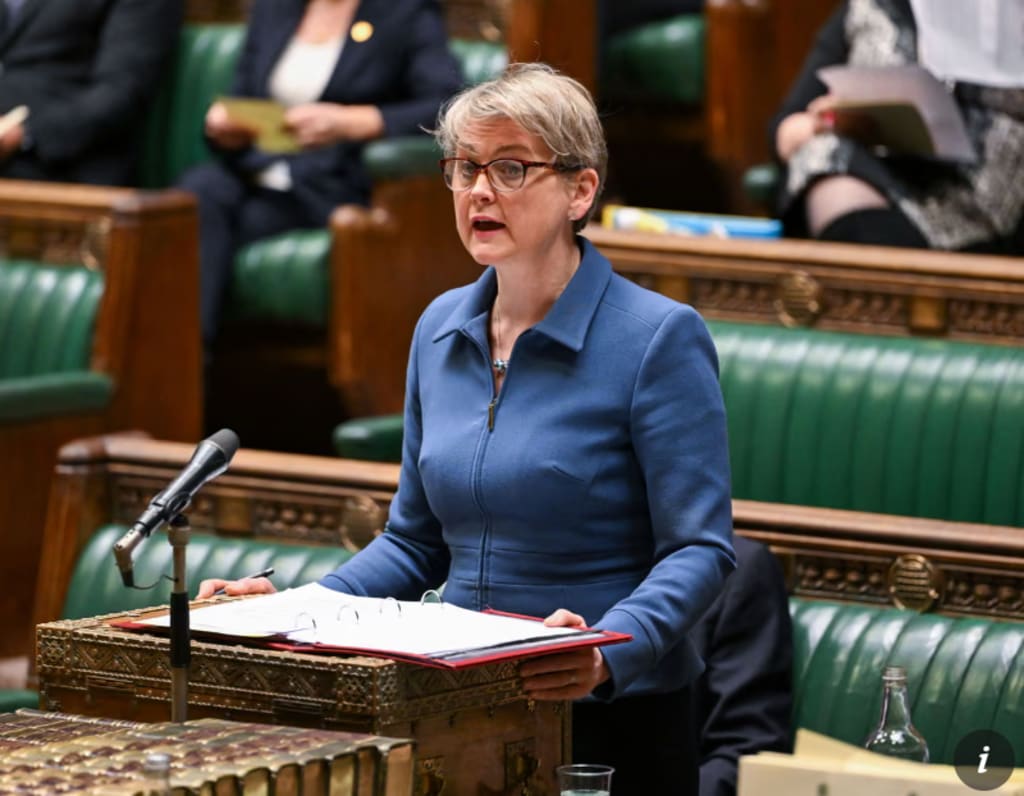
The UK has decided not to join U.S. President Donald Trump’s “Board of Peace” initiative — at least not yet. Yvette Cooper, the UK’s Foreign Secretary, confirmed this during the World Economic Forum in Davos, citing concerns over Russian President Vladimir Putin’s potential involvement.
This announcement highlights growing tensions in global politics, as Western nations weigh their response to international peace initiatives that include controversial figures.
What Is the ‘Board of Peace’?
President Trump introduced the “Board of Peace” at the 2026 World Economic Forum. Originally designed to oversee reconstruction and governance in Gaza, it has quickly expanded into a broader conflict resolution forum.
The board aims to bring together world leaders, business figures, and diplomats to work on post-conflict strategies, with the potential to influence peace negotiations beyond just the Middle East. Trump has pitched it as a prestigious, high-level body, almost like an alternative to the United Nations.
However, its powers, structure, and authority are still unclear, raising questions about how it might overlap with existing international institutions.
Why the UK Is Hesitant
Yvette Cooper stressed that while the UK supports peace efforts, it is not ready to join the board yet. She emphasized concerns over Putin’s involvement, noting that it would be problematic for a leader actively involved in conflict in Ukraine to be part of a peace initiative.
“We have concerns about President Putin being part of something that talks about peace while his forces are still active in Ukraine,” Cooper said.
Other issues include legal and diplomatic questions about the board’s charter and the roles of participating countries. For London, joining prematurely could risk legitimizing decisions without proper international oversight.
The Diplomatic Landscape
The UK is not alone in its caution. Other Western countries, including France, Sweden, and Norway, have also declined to join the board at this stage. Their reasoning is similar: while they support peace efforts, they do not want to see a new body undermine established institutions like the United Nations.
Meanwhile, Trump has invited several prominent figures to the board, including U.S. Secretary of State Marco Rubio, adviser Jared Kushner, and former UK Prime Minister Tony Blair. Critics argue that the board leans heavily toward U.S. influence, raising doubts about its impartiality.
UK Foreign Policy Considerations
The UK’s decision reflects its ongoing balancing act between:
Supporting peace in the Middle East,
Upholding Ukrainian sovereignty, and
Ensuring international law is respected.
Cooper highlighted that the board’s treaty raises broader legal issues, and the UK wants to ensure alignment with existing international frameworks before committing.
This cautious approach also signals London’s long-term diplomatic strategy: engage in global initiatives without compromising principles or legitimacy.
What’s Next for the Board of Peace?
For now, the UK is stepping back, but that doesn’t mean it will permanently reject participation. Dialogue with allies is ongoing, and the UK remains interested in supporting peace initiatives — just not through a board that includes controversial leaders or unresolved legal questions.
Trump, meanwhile, continues to push his initiative in Davos, with both support and criticism from the international community. Whether the board will evolve into a credible global peace instrument or deepen divisions between countries remains to be seen.
Takeaway
The UK’s cautious approach highlights the complexities of modern diplomacy. Supporting peace is easy in principle, but navigating global politics — especially when controversial figures are involved — requires careful consideration.
For now, Yvette Cooper and the UK are making it clear: peace initiatives must be credible, lawful, and legitimate. Anything less risks undermining both international trust and long-term global stability.
This blog format keeps the content easy to read, engaging, and structured for online audiences, while staying informative and authoritative.
About the Creator
Keep reading
More stories from Aqib Hussain and writers in The Swamp and other communities.
US Set to Quit World Health Organization: What It Means for Global Health
The United States is officially leaving the World Health Organization (WHO), a move that has sent ripples through international health and politics. On January 22, 2026, after a year-long notice period, the U.S. formally exited the WHO — a decision driven by political priorities, criticisms of the organization, and a desire to focus on national health initiatives.
By Aqib Hussainabout 21 hours ago in The Swamp
Pilot Captures Historic Northern Lights Show From 37,000 Feet
For a pilot with over two decades of experience, witnessing the northern lights from above is not a new experience—but even the most seasoned aviators can be stunned. Recently, a commercial airline pilot shared breathtaking photos of the aurora borealis from 37,000 feet, calling it “the most incredible display of aurora I've ever seen in my 20 years of flying.” The images, which capture waves of green, purple, and pink light stretching across the horizon, have captivated both aviation enthusiasts and nature lovers worldwide.
By Aarif Lashari28 minutes ago in The Swamp




Comments
There are no comments for this story
Be the first to respond and start the conversation.