
UK Ready to 'Tighten Chokehold' on Russia's Shadow Fleet: What It Means for Global Shipping and Geopolitics
London ramps up sanctions enforcement to block Russia’s sanctioned tankers, raising stakes for global shipping and geopolitical tensions."

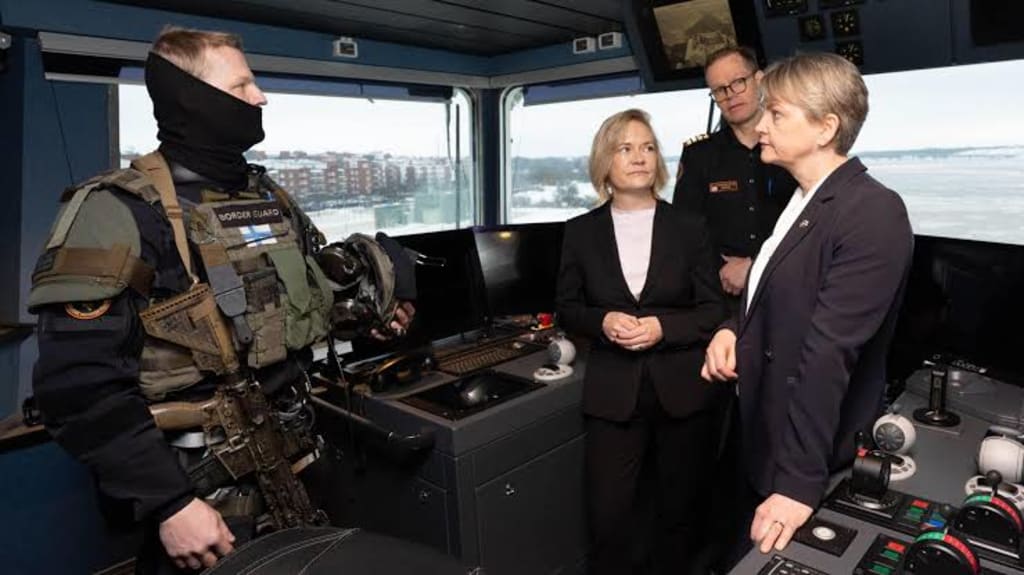
The United Kingdom has signaled its intent to tighten its grip on Russia’s so-called “shadow fleet”, a network of tankers and cargo ships that have continued operating despite sanctions imposed in response to the ongoing conflict in Ukraine. The move reflects the UK’s broader strategy to limit Moscow’s ability to profit from global trade while sending a strong signal to allies and adversaries alike: international maritime law and sanctions will be enforced.
Understanding the shadow fleet
The term “shadow fleet” refers to vessels that circumvent sanctions through tactics such as renaming ships, changing flags, or engaging in “ship-to-ship” transfers at sea. These vessels have become a lifeline for Russia, particularly in the energy sector, enabling Moscow to export oil and gas even as traditional buyers face restrictions. Analysts estimate that the shadow fleet is worth billions of dollars in annual revenue, making it a key component of Russia’s economic resilience in the face of Western sanctions.
The UK’s tightening measures
UK officials have made it clear that existing sanctions enforcement will be strengthened, with a focus on monitoring and intercepting shadow fleet operations. Measures may include:
Enhanced surveillance of shipping lanes used by sanctioned vessels.
Closer coordination with international partners, including NATO allies and EU members, to track ship movements and prevent sanctions evasion.
Legal tools to seize ships or freeze assets connected to the shadow fleet.
A senior UK minister commented, “We are determined to ensure that Russia cannot evade accountability. Our chokehold is set to tighten, and we will take action against any vessel attempting to flout international rules.”
Implications for global shipping
The UK’s move will inevitably have ripple effects across global trade. Major shipping hubs and ports are already under pressure to scrutinize incoming vessels, which could slow down maritime traffic. Shipping companies, particularly those operating in energy logistics, may need to reassess routes and compliance procedures to avoid inadvertently violating sanctions.
Experts warn that while the shadow fleet represents a small fraction of global shipping tonnage, its strategic importance makes it a geopolitical flashpoint. The UK’s actions may push Russia to adopt more covert methods, increasing the risk of maritime disputes or confrontations in busy shipping lanes.
Russia’s response and potential escalation
Moscow has historically dismissed sanctions as illegitimate and may respond to tighter restrictions with countermeasures. This could include:
Deploying naval escorts for its commercial vessels, particularly tankers transporting oil.
Increasing the use of third-party intermediaries, such as non-Russian companies or neutral-flagged ships, to maintain exports.
Engaging in cyber or hybrid tactics targeting tracking systems used by Western enforcement agencies.
While a direct naval confrontation remains unlikely, analysts caution that the shadow fleet issue could spark localized tensions, especially in strategic waterways like the English Channel, the North Sea, and the Mediterranean.
A message to the international community
Beyond its immediate economic impact, the UK’s strategy sends a broader diplomatic message. It demonstrates that the enforcement of sanctions is not optional and underscores the importance of multilateral cooperation in holding states accountable for aggressive or unlawful actions. Other countries may be encouraged to adopt similar measures, creating a more unified front against sanction evasion.
At the same time, critics argue that overzealous enforcement could disrupt legitimate trade, harm global energy markets, and increase shipping insurance costs. Balancing enforcement with economic stability will be key to avoiding unintended consequences.
Looking ahead
The UK’s efforts to tighten its chokehold on Russia’s shadow fleet mark the next phase of sanctions enforcement in the Ukraine conflict. By tracking, intercepting, and legally challenging these vessels, the UK aims to curtail Moscow’s financial lifelines and assert its influence in international maritime security.
For global observers, the situation highlights a critical lesson: maritime law and global trade are inseparable from geopolitics. As nations leverage shipping regulations to enforce sanctions, the stakes for compliance, monitoring, and diplomacy are higher than ever.
The shadow fleet saga is far from over, and its outcome will shape not only the economic future of Russia but also the operational landscape for international shipping. With the UK leading efforts to clamp down, the world is watching closely, aware that the oceans are no longer just trade routes—they are arenas of strategic power and political contestation.
About the Creator
Fiaz Ahmed Brohi
I am a passionate writer with a love for exploring and creating content on trending topics. Always curious, always sharing stories that engage and inspire.
Keep reading
More stories from Fiaz Ahmed Brohi and writers in The Swamp and other communities.
Danish Minister Says ‘Fundamental Disagreement’ Remains After ‘Frank’ Greenland Talks With US
Tensions between Denmark and the United States over Greenland have once again surfaced, after a Danish minister confirmed that “fundamental disagreements” remain following what were described as “frank and direct” talks with American officials. The remarks underline how Greenland—an icy, sparsely populated island in the Arctic—has become one of the most strategically sensitive regions in modern geopolitics. While the talks were not hostile, they revealed just how far apart the two allies still are when it comes to security, sovereignty, and influence in the Arctic. Greenland: Small Population, Massive Importance Greenland may have fewer than 60,000 residents, but its strategic value far outweighs its size. Located between North America and Europe, the island sits at the heart of Arctic shipping routes, military monitoring zones, and untapped natural resources. As climate change melts Arctic ice, Greenland’s importance has surged dramatically. The United States views Greenland as a critical security asset, particularly as competition with Russia and China intensifies in the Arctic. Denmark, which governs Greenland’s foreign and defense policy while allowing the territory broad self-rule, sees the issue through the lens of sovereignty, partnership, and respect for Greenlandic autonomy. These competing perspectives lie at the center of the current disagreement. ‘Frank Talks’ Reveal Persistent Gaps According to Danish officials, the recent discussions with US representatives were open and honest, but they did not bridge the core divide. The Danish minister emphasized that while both sides value cooperation, they do not agree on the framework or tone of US involvement in Greenland. Denmark insists that any expansion of American military presence or influence must occur in full coordination with Copenhagen and Greenland’s elected leaders. The US, on the other hand, has been pushing for faster, more assertive steps to strengthen its Arctic posture—sometimes testing diplomatic boundaries in the process. The phrase “fundamental disagreement” suggests that this is not a minor policy difference, but a structural clash over authority and approach. A Shadow Cast by Past Controversies Relations over Greenland have been strained before. In 2019, then-President Donald Trump publicly suggested buying Greenland—an idea swiftly rejected by Denmark and Greenlandic leaders alike. Though that episode has passed, it left lingering sensitivities. More recently, US military interest in expanding facilities and surveillance capabilities on the island has raised concerns in Denmark about overreach and unilateral decision-making. Danish leaders are wary of Greenland becoming a pawn in a larger great-power rivalry. For Greenland itself, the issue is deeply personal. Many Greenlanders support cooperation with the US for economic and security benefits, but strongly oppose being treated as a strategic object rather than a political actor. NATO Allies, Different Priorities Denmark and the United States are both NATO allies, and both agree that Arctic security is increasingly important. However, agreement on goals does not always mean agreement on methods. Denmark prioritizes diplomacy, multilateralism, and gradual engagement. The US emphasizes speed, deterrence, and military readiness. As Russia expands Arctic bases and China declares itself a “near-Arctic state,” Washington feels pressure to act decisively. Danish officials argue that ignoring local consent could destabilize the region rather than protect it. Greenland’s Voice Growing Louder One of the most significant shifts in recent years is the growing assertiveness of Greenland’s own government. With increased self-rule and a strong independence movement, Greenland’s leaders are demanding a seat at the table in all major decisions. The Danish minister stressed that Greenland is not merely a territory to be discussed between capitals. Any future security arrangement, investment, or military expansion must reflect Greenlandic priorities, culture, and consent. This insistence complicates negotiations but also reflects a changing political reality. What Happens Next? Despite the disagreements, both sides have signaled that dialogue will continue. Neither Denmark nor the United States wants the issue to escalate into a diplomatic rift. However, the underlying tensions are unlikely to disappear anytime soon. As Arctic ice continues to retreat and global competition intensifies, Greenland will remain a focal point of strategic interest. Whether Denmark and the US can align their approaches—or continue managing disagreement through diplomacy—will shape the future of Arctic cooperation. A Test of Alliance and Respect At its core, the Greenland dispute is about more than military bases or geopolitics. It is a test of how powerful allies balance security interests with sovereignty, respect, and local self-determination. The Danish minister’s candid assessment makes one thing clear: the conversation is far from over, and the Arctic’s political temperature may be rising faster than its melting ice.
By Fiaz Ahmed Brohi5 days ago in The Swamp
Former Michigan Starting Safety Transferring to Virginia
In a move that has caught the attention of college football fans, former Michigan starting safety [Player Name] has announced his transfer to the University of Virginia. The decision marks a significant shift in the athlete’s career, signaling both a fresh start and a new opportunity to make an impact in the Atlantic Coast Conference (ACC).
By Aarif Lashari5 days ago in The Swamp


Comments
There are no comments for this story
Be the first to respond and start the conversation.