
UAE Rolls Over $2 Billion of Pakistan’s Debt for One Month at 6.5% Interest Rate: Report
Temporary lifeline comes amid IMF talks and economic strain Debt extension eases immediate pressure but deepens long-term concerns Gulf ally offers brief financial breathing space High interest rate underscores rising cost of emergency funding Pakistan buys time as reserves remain under stress Economic reforms tested as foreign creditors step in

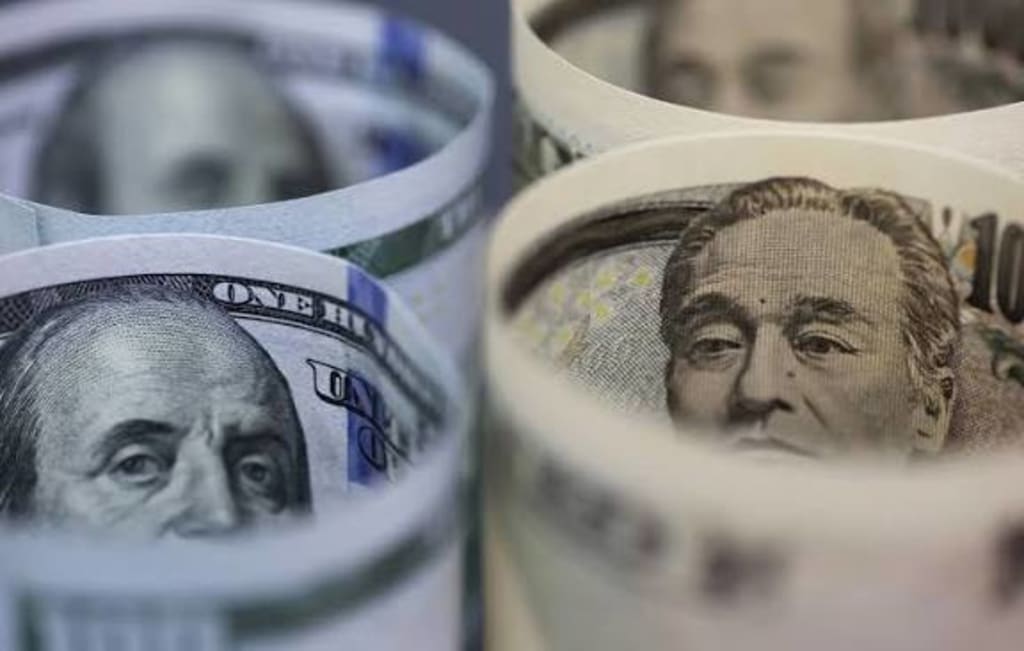
Pakistan has received temporary financial relief after the United Arab Emirates agreed to roll over $2 billion of its existing debt for one month at an interest rate of 6.5 percent, according to media reports and government sources. The short-term rollover comes at a critical moment for Islamabad as it struggles to stabilize its fragile economy, manage foreign exchange reserves, and meet ongoing obligations under its reform program with the International Monetary Fund (IMF).
The decision underscores Pakistan’s continued reliance on friendly Gulf states for emergency financial support and highlights the urgency of its balance-of-payments crisis.
A Short-Term Lifeline
The debt rollover means that Pakistan will not need to repay the $2 billion immediately, allowing it to retain the funds in its central bank reserves for another month. While the extension is brief, it provides breathing space as Pakistan negotiates further assistance from international lenders and attempts to shore up investor confidence.
Officials familiar with the matter said the interest rate of 6.5 percent reflects tighter global financial conditions and Pakistan’s weakened credit profile. Unlike earlier years when Pakistan received low-interest or interest-free deposits from allies, recent rollovers have come with higher costs, reflecting growing caution among lenders.
The funds are part of deposits placed by the UAE at the State Bank of Pakistan, which are counted as part of the country’s foreign exchange reserves.
Economic Pressures Mount
Pakistan’s economy remains under severe strain due to high inflation, heavy external debt repayments, and sluggish export growth. Foreign exchange reserves have hovered at precarious levels, often covering only a few weeks of imports. Any delay in repayment obligations can help avoid immediate default risks but does little to resolve deeper structural problems.
The country is currently implementing tough fiscal measures required by the IMF, including reducing energy subsidies, increasing taxes, and allowing market-based currency rates. These policies have triggered public dissatisfaction and raised the cost of living, particularly for low-income households.
The rollover from the UAE is seen as a stopgap measure to help Pakistan meet short-term financing needs while continuing negotiations with multilateral lenders.
Strategic Ties with the UAE
Pakistan and the UAE have long maintained close political and economic ties. Millions of Pakistani workers live in the UAE, sending billions of dollars in remittances back home each year. Abu Dhabi has repeatedly stepped in with deposits, loans, and investments during Pakistan’s financial emergencies.
In recent years, however, Gulf support has become more conditional and commercially oriented. Financial assistance is increasingly tied to economic reforms, investment opportunities, and interest-bearing terms rather than unconditional bailouts.
Analysts say the one-month rollover reflects both goodwill and caution. The UAE is willing to help Pakistan avoid an immediate crisis but is hesitant to extend longer-term relief without assurances of economic stability and reform.
Debt Burden and IMF Dependence
Pakistan’s total external debt exceeds $125 billion, with significant repayments due in the coming months. The government faces pressure to roll over or refinance loans from friendly countries such as China, Saudi Arabia, and the UAE to avoid draining reserves.
The IMF program remains central to Pakistan’s survival strategy. Continued IMF support is necessary to unlock additional funds from the World Bank, Asian Development Bank, and bilateral partners. Any delay or breakdown in IMF negotiations could sharply worsen Pakistan’s financial outlook.
Economists warn that repeated short-term rollovers only postpone the problem. Without stronger exports, higher foreign investment, and improved tax collection, Pakistan will remain dependent on emergency funding.
Market Reaction and Investor Confidence
News of the UAE rollover provided limited reassurance to financial markets. While it eased immediate default concerns, investors remain wary of Pakistan’s ability to meet long-term obligations. Bond yields remain high, reflecting doubts about sustainability.
Currency traders are watching closely to see whether further rollovers or new deposits are secured from friendly countries. Even modest inflows can help stabilize the rupee and slow inflationary pressures.
However, business leaders argue that temporary relief must be accompanied by policy consistency and political stability. Frequent government changes and policy reversals have historically undermined Pakistan’s economic recovery efforts.
Political and Social Impact
The debt rollover also carries political implications. The government can present the agreement as evidence of international confidence and diplomatic success. Yet critics argue that relying on one-month extensions exposes the weakness of Pakistan’s financial position.
Ordinary citizens feel the consequences of the crisis through rising fuel prices, electricity bills, and food inflation. Public patience is wearing thin as austerity measures continue under IMF supervision.
Opposition parties have accused the government of mismanaging the economy and becoming overly dependent on foreign creditors. The leadership, in turn, insists that painful reforms are necessary to avoid a deeper collapse.
Looking Ahead
The one-month rollover from the UAE buys Pakistan time—but little more. Officials must now secure longer-term financing solutions and demonstrate progress on economic reforms. Talks with other lenders, including China and Saudi Arabia, are expected to intensify in the coming weeks.
Analysts say Pakistan’s long-term recovery depends on expanding exports, attracting foreign direct investment, and broadening the tax base. Without these changes, emergency rollovers will remain a recurring feature of its financial strategy.
Conclusion
The UAE’s decision to roll over $2 billion of Pakistan’s debt at a 6.5 percent interest rate provides short-term relief but underscores the fragile state of Pakistan’s economy. While it helps stabilize reserves and avert immediate pressure, it does not address the underlying challenges of debt dependence and weak growth.
For Pakistan, the next month will be critical. Whether it can turn temporary support into lasting stability will depend on reforms, international cooperation, and political will to confront deep-rooted economic problems.
About the Creator
Fiaz Ahmed
I am Fiaz Ahmed. I am a passionate writer. I love covering trending topics and breaking news. With a sharp eye for what’s happening around the world, and crafts timely and engaging stories that keep readers informed and updated.
Keep reading
More stories from Fiaz Ahmed and writers in The Swamp and other communities.
Iran’s President Orders Team to Open Fresh Talks With U.S.
In a notable shift in Iran’s diplomatic posture, President Masoud Pezeshkian has ordered his government to prepare for fresh negotiations with the United States — a move that could mark a tentative step toward easing one of the world’s most prolonged geopolitical confrontations. The announcement, made on social media and confirmed by multiple news agencies, comes amid escalating regional tensions, ongoing nuclear concerns, and sustained pressure from both regional partners and Washington to find a peaceful path forward after years of stalemate.Pezeshkian’s directive instructs Iran’s Foreign Minister Abbas Araghchi to explore conditions for “fair and equitable” negotiations with the United States — a phrase he emphasized must occur “within the framework of our national interests” and in an environment free of threats or “unreasonable expectations.” A Diplomatic Opening After High Tensions The call for fresh talks comes against the backdrop of months of severe tensions between Tehran and Washington. Earlier, U.S. President Donald Trump had warned that “bad things could happen” if a diplomatic agreement was not reached, even as Washington maintained a significant military presence in the region with warships and aircraft carriers on alert.
By Fiaz Ahmed about 16 hours ago in The Swamp
Babar Azam: The Modern Icon of Pakistan Cricket
Babar Azam is not just a cricketer; he is a symbol of consistency, class, and modern-day brilliance in international cricket. Over the last decade, Babar has emerged as one of the finest batsmen in the world, earning respect from fans, critics, and fellow players alike. Representing Pakistan with pride, his elegant batting style and calm leadership have placed him among the elite of world cricket. This article explores Babar Azam’s journey, achievements, challenges, and lasting impact on Pakistan cricket.
By Ayesha Lashari6 days ago in The Swamp
U.S. Government Shutdown
A U.S. government shutdown is one of the most visible signs of political deadlock in Washington. When it happens, it disrupts federal services, sends hundreds of thousands of workers into uncertainty, and creates ripple effects across the economy. Although the term often trends during moments of crisis, shutdowns are not rare events—they are the result of a specific budget process failing to reach completion.
By Saboor Brohi 4 days ago in The Swamp
Off the Book
It ended like every other stupid idea. Badly, and alone. I’m researching digital confession ethics, he said. A tech ethicist. He gestured at floating data I couldn’t see then pulled out a physical notebook. Actual paper, fountain pen. He held it up like he was showing me scripture.
By Nicky Frankly5 days ago in Fiction



Comments
There are no comments for this story
Be the first to respond and start the conversation.