
U.S. and Iran Plan Talks in Istanbul as Trump Warns of ‘Bad Things’
High-Stakes Diplomacy Returns as Nuclear Tensions Test Global Stability

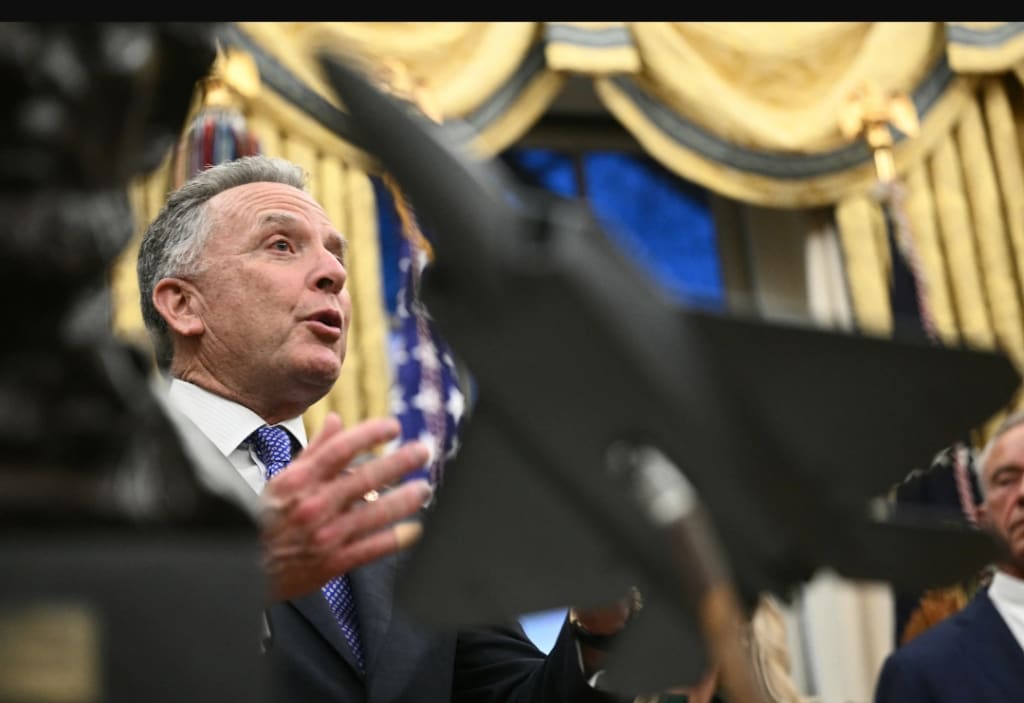
The United States and Iran are preparing to resume direct nuclear-related talks in Istanbul, marking a rare diplomatic opening after months of escalating tensions. The announcement comes alongside a stark warning from former U.S. President Donald Trump, who said “bad things would happen” if negotiations fail—language that has immediately raised global concern over the risk of military confrontation.
With the Middle East already on edge, the planned Istanbul talks could determine whether the world moves toward de-escalation or deeper conflict.
Why the Istanbul Talks Matter
The upcoming talks, scheduled for early February 2026, are expected to focus primarily on Iran’s nuclear program, sanctions relief, and regional security concerns. Istanbul was chosen as a neutral diplomatic venue, with Turkey acting as a facilitator alongside several regional powers.
According to diplomatic sources, the negotiations will involve:
U.S. Special Envoy Steve Witkoff
Iranian Foreign Minister Abbas Araghchi
Regional stakeholders including Saudi Arabia, Qatar, Egypt, Oman, and Pakistan
The renewed dialogue follows the collapse of earlier indirect talks and comes after U.S. and Israeli airstrikes last year damaged several Iranian nuclear facilities.
Trump’s Warning Raises the Stakes
Speaking to reporters, Donald Trump said he still hopes for a negotiated settlement but cautioned that failure would lead to “bad things”—a phrase widely interpreted as a reference to potential military action.
The U.S. administration has reportedly placed three major demands on Iran:
1. Zero uranium enrichment
2. Limits on Iran’s ballistic missile program
3. Ending support for regional proxy militias
Iran has publicly rejected several of these demands, calling them violations of its sovereignty. However, Iranian officials have hinted that temporary suspension of enrichment may be discussed—without abandoning Iran’s legal right to enrichment under international treaties.
Iran’s Position: Diplomacy Under Pressure
Iran maintains that its nuclear program is peaceful, yet international agencies report that Tehran has accumulated nearly 900 pounds of highly enriched uranium, raising alarm in Western capitals.
Iranian President Masoud Pezeshkian reportedly approved the talks following appeals from regional allies who fear the consequences of another war. While Tehran remains skeptical of U.S. intentions, economic pressures caused by sanctions and domestic unrest have made diplomacy harder to ignore.
Regional Powers Push for Stability
Countries across the Middle East are urging restraint. The United Arab Emirates (UAE) has publicly called on both sides to reach a deal, warning that another U.S.–Iran conflict would destabilize the entire region.
Saudi Arabia and Egypt are also quietly supporting talks, concerned about:
Oil market volatility
Shipping security in the Persian Gulf
Escalation involving Israel and regional militias
Analysts say regional governments now see diplomacy as the only viable path to prevent economic and security fallout.
Military Tensions in the Background
Despite diplomatic efforts, the military backdrop remains tense. The United States has increased its naval presence in the Gulf, while Iran continues missile testing and regional maneuvering.
Satellite imagery suggests limited reconstruction at Iranian nuclear sites damaged in earlier strikes, reinforcing fears that time is running out for a diplomatic solution.
Global Implications of the Talks
The outcome of the Istanbul negotiations could have far-reaching consequences:
Energy markets could stabilize or surge depending on outcomes
Global security could improve—or deteriorate rapidly
Nuclear non-proliferation efforts hinge on Iran’s commitments
Failure could also trigger new sanctions, increased military posturing, and further regional instability.
What Happens Next?
While expectations remain cautious, diplomats say even limited progress—such as confidence-building measures or phased sanctions relief—could prevent immediate escalation.
However, with strong rhetoric on both sides and unresolved mistrust, success is far from guaranteed.
FAQs
Why are the U.S. and Iran holding talks in Istanbul?
Istanbul offers a neutral diplomatic venue with regional backing, helping both sides engage without appearing to concede ground politically.
What does Trump mean by ‘bad things’?
While not explicitly stated, the phrase is widely understood to imply military action or harsher sanctions if negotiations fail.
Is Iran close to building a nuclear weapon?
Iran denies weaponization, but international monitors say its enriched uranium stockpile is dangerously close to weapons-grade levels.
Can these talks prevent war?
They offer a critical chance to reduce tensions, but success depends on mutual concessions—something that has repeatedly failed in the past.
Final Thoughts
The planned U.S.–Iran talks in Istanbul represent a last-ditch diplomatic effort at a moment when the cost of failure could be catastrophic. As Trump’s warning echoes across global capitals, the world watches closely—hoping words will prevail over weapons.
About the Creator
Asad Ali
I'm Asad Ali, a passionate blogger with 3 years of experience creating engaging and informative content across various niches. I specialize in crafting SEO-friendly articles that drive traffic and deliver value to readers.
“Europe’s Oil Majors Prepare to Cut Billions in Shareholder Payouts” — complete with subtitles and written to suit vocal media requirements:
Europe’s biggest oil companies — long known for generous dividend payments and share buybacks — are now gearing up for a significant reduction in cash returned to investors, in a striking departure from past practices. This shift comes as profit margins tighten, global oil prices remain subdued, and strategic priorities evolve, signaling a broader transformation in how these energy giants allocate capital.
By Salaar Jamali2 days ago in The Swamp
Amazon Reveals Fresh Round of Global Job Cuts in Email Sent in Error to Workers
Amazon has revealed a fresh round of global job cuts after an internal email was accidentally sent to some employees, highlighting ongoing restructuring efforts and prompting widespread concern. The email, which was reportedly sent in error, indicated that the company would be reducing staff in multiple regions, although precise numbers and affected departments have not yet been confirmed.
By Aarif Lashari7 days ago in The Swamp




Comments
There are no comments for this story
Be the first to respond and start the conversation.