

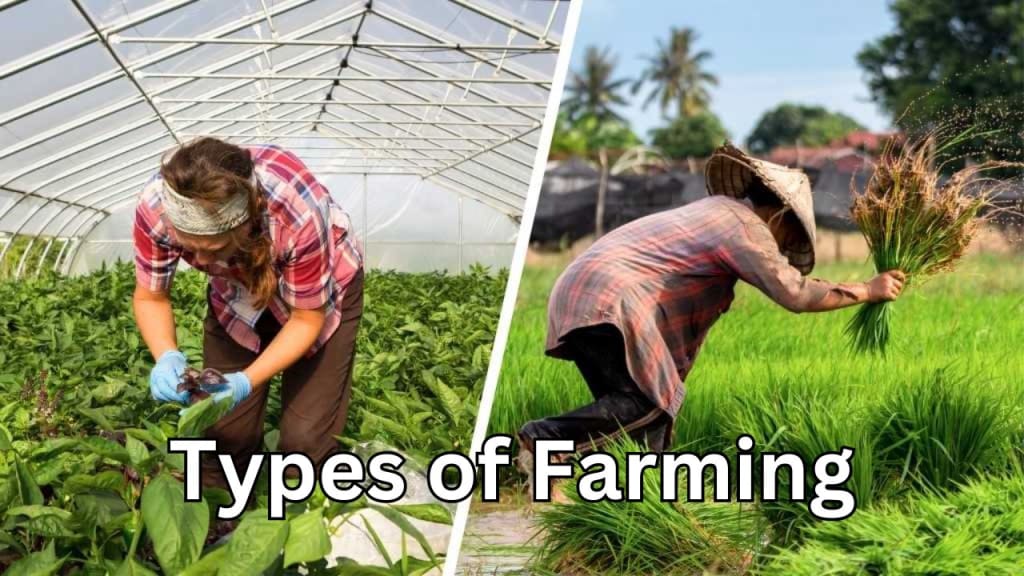
Farming in India plays an important role in improving the quality of livelihood of two-thirds of the population. India ranks second largest in agricultural production in the world. It produces different varieties of crops and raw materials for industries as well.
Innovation in technologies and the introduction of new farming equipment over time are helpful for farmers to yield better than before. Moreover, various Socio-cultural methods, climatic conditions and other aspects are useful to the advancement of different types of agricultural systems in India.
Currently, farmers are using both traditional and modern ways of farming. The type of farming type also depends on the land, climate conditions, and irrigational facilities available in the particular region. There are three major types of agriculture that are generally done: Subsistence farming, organic farming, and industrial farming. Let's learn more about the kind of farming in India in detail.
Subsistence Farming
The majority of farmers in India are practising subsistence farming for their livelihood. Farmers do this farming for themself and their families without expecting any profit from the output. Let's learn more about this type of farming :
Self-sufficiency: The main goal of this farming practice is to produce good enough to sustain the farmer’s household. Crops for agriculture are essential for livelihood.
Smalls & fragmented land: Farmers doing this type of farming typically cultivate small plots of land using traditional tools and techniques. They gave either small or fragmented farms.
Low Input Farming: As it is done for the basic needs of the farmer's family, they keep the use of fertilisers very minimal.
Nature Dependence: Farmers who practice this type of farming are highly reliant on natural factors like rainfall and climate conditions for good harvest. Unfortunately, climatic conditions like drought, flood, etc can lead to food insecurity.
Organic Farming
Organic farming is a type of farming where the natural process and ecological balance are prioritized above synthetic results. Let’s learn more about Organic farming.
Nurturing the Soil: Organic farmers focus on building a healthy life for the soil through practices like crop rotation, cover cropping, etc. This creates a natural ecosystem that helps in nourishing plants and helps promote biodiversity.
Say No to Inorganic: This type of farming promotes no use of synthetic pesticides; instead, they use alternatives like neem oil, compost tea, etc.
Promoting Animal Welfare : Organic livestock farming also comes under this type of farming, where animals have access to natural biodiversity, organic feed, etc, and plants get organic manure, like animal waste.
Sustainable Method :It aims to conserve water resources, reduce pollution and seek to build a healthy ecosystem for future generations.
Industrial Farming
Industrial farming, also known as intensive agriculture, is a modern approach to food production. It operates large-scale production of food. Let’s learn more about it.
Increased Food Production: Industrial farming has undoubtedly played a crucial part in feeding the world’s population. It led to an increase in food production and made food more affordable and available for all.
Use of Fertilizers: Inorganic pests are used on a large scale to maximize the yield and control pests.
Relay on Machinery: Industrial agriculture relies on large farms that often use machinery and implements to make farming efficient. Irrigation systems are also there to make the work easy for farm owners.
Dry Land Farming
Dryland farming is a unique farming approach that flourishes in regions with limited rainfall. Let’s learn more about it.
Crop choice: Dry land farmers select drought-resistant crops like lentils, cotton, etc. These crops require less water and have shorter growing seasons.
Soil maintenance: Healthy soil with good water-holding capacity is important. Methods like cover cropping or minimal tillage help in improving the health of the soil.
Wetland Farming
Wetland farming is a farming method that is highly favourable during the monsoon season, as it relies on rain and can also be done on well-irrigated farms. Let's learn more about it.
Water Management: It maintains the optimal water level. Methods like canals and controlling flooding help regulate water flow.
Crop Selection: Choosing the right crop type is very crucial. Factors like water depth, soil composition, etc, can play an important role in selecting the crop type.
Planting: The seeding method can vary depending on the crop and water levels. Direct planting in the over-flooded or canal method is the perfect technique for wetland farming.
Conclusion
The future of Indian farming lies in balancing between traditional and modern farming methods. Embracing sustainable practices like organic farming and water conservation irrigation can help in minimizing the environmental impact.
Additionally, supporting small-scale farmers through good infrastructure and market access can help the agricultural sector grow.
Advancements in technological areas and access to all types of farm owners can help a lot to improve the Agricultural sector.
To know more about types of farming in India. Visit Tractor Junction blog for in depth details.
About the Creator
Rajendra_Singh
I'm a agriculture blogger, who loves sharing my knowledge about growing things. On my blog, you'll find practical tips and interesting stories to help you get started!
Keep reading
More stories from Rajendra_Singh and writers in The Swamp and other communities.
Apricot Farming in India
Apricot, a stone fruit, is likely pleasant, sweet, tangy, and wonderful in flavour. This stone fruit, commonly called Armenian plums, is mostly grown in apricot species. Apricots have been cultivated for generations around the world. Apricot farming is widespread in many countries, and the fruit is occasionally harvested from wild regions.
By Rajendra_Singh2 years ago in The Swamp
Parallel Protests
I haven't written for quite some time, but I have A LOT of thoughts about yesterday's protest rally against our government's involvement and complicity in America's war on Iran, on the harbourside of my home city Bristol, and I need to put them somewhere. My gorgeous girlfriend is always a loving and listening ear and sharing it all with her will always be a healthy and happy way of processing the mental and emotional weight, but getting it straight in my brain to share means writing it all down in straight lines, so, here we are and thanks for being here.
By Steph Cole6 days ago in The Swamp



Comments
There are no comments for this story
Be the first to respond and start the conversation.