
Turkish Shipbuilder to Launch ARES Naval in Saudi Arabia With Two Shipyards, CEO Says
New venture aims to build patrol boats and naval vessels for regional markets Turkey expands defense footprint in the Gulf with major shipyard investment Project to create jobs and transfer naval technology to Saudi workforce Two facilities planned for steel and composite vessel production Saudi Arabia seeks to diversify arms suppliers through Turkish partnership Company targets Middle East and African export markets Geopolitical thaw boosts industrial cooperation ARES Naval to strengthen Kingdom’s maritime security capabilities

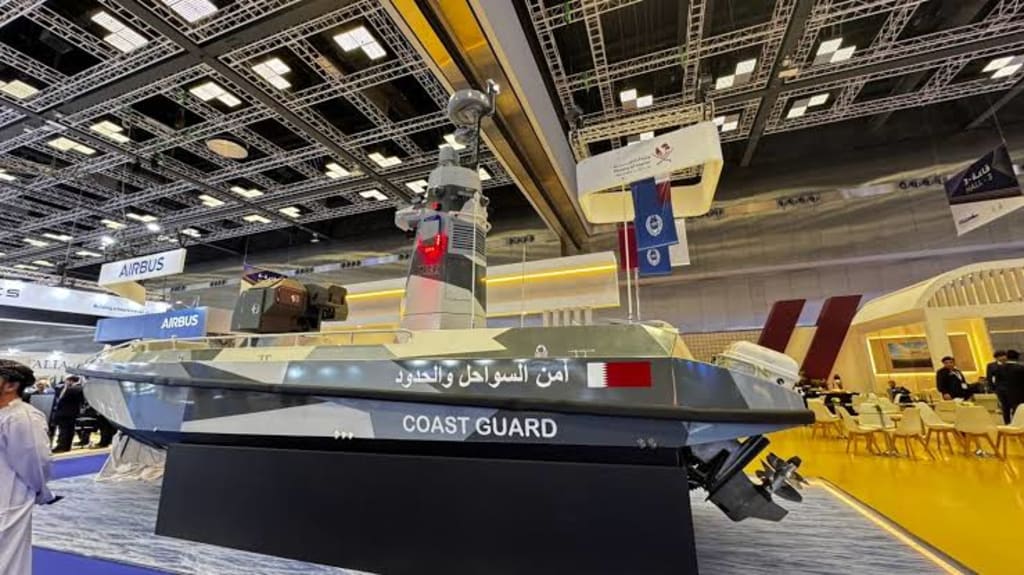
Start writing...A leading Turkish defense shipbuilder is preparing to expand its footprint in the Middle East by launching a new company, ARES Naval, in Saudi Arabia, with plans to construct and operate two shipyards in the Kingdom. The move reflects growing defense and industrial cooperation between Turkey and Saudi Arabia and highlights Riyadh’s push to localize military manufacturing under its Vision 2030 economic diversification strategy.
In an exclusive interview, the chief executive officer of ARES Shipyard confirmed that the new venture will focus on naval and security vessels, including patrol boats, fast attack craft, and potentially larger surface combatants for regional and international customers.
“Saudi Arabia has become a strategic hub for defense manufacturing in the region,” the CEO said. “ARES Naval will not only support the Kingdom’s naval needs but will also serve as an export-oriented production base for the wider Middle East and Africa.”
Strategic Expansion Into the Gulf
ARES Shipyard, based in Antalya, has built a reputation for producing high-speed patrol boats and advanced naval platforms for several countries, including Qatar and the Turkish Coast Guard. Establishing operations in Saudi Arabia marks the company’s most ambitious overseas expansion to date.
According to the CEO, ARES Naval will operate two separate shipyards—one focused on steel-hulled vessels and the other dedicated to composite and aluminum ships. This dual-site model is intended to provide flexibility in production and reduce reliance on imports of finished vessels.
Saudi officials have encouraged foreign defense companies to invest locally as part of a broader effort to build a domestic military-industrial base. The Saudi Arabian Military Industries (SAMI) group and the Ministry of Investment have been offering incentives, including tax benefits and infrastructure support, to attract international partners.
Vision 2030 and Localization Goals
Saudi Arabia aims to localize at least 50 percent of its military spending by 2030, compared to less than 10 percent a decade ago. Naval assets are a key priority, given the Kingdom’s long coastlines along the Red Sea and the Arabian Gulf and its role in protecting shipping routes and energy infrastructure.
ARES Naval is expected to contribute to these goals by transferring technology and training Saudi engineers and technicians. The CEO said the company plans to recruit and train a predominantly Saudi workforce over the next five years.
“This is not just about building ships,” he said. “It is about building skills, knowledge, and a sustainable industrial ecosystem.”
The company will initially focus on patrol boats and offshore support vessels but has not ruled out expanding into corvettes or larger frigate-like platforms in the future, depending on market demand.
Geopolitical Implications
The launch of ARES Naval comes amid improving relations between Turkey and Saudi Arabia after years of diplomatic tension. Defense cooperation has become one of the most visible signs of rapprochement, with Turkish drones and armored vehicles already finding buyers in the Kingdom.
Analysts say the partnership reflects Saudi Arabia’s desire to diversify its defense suppliers beyond traditional Western partners while leveraging Turkey’s growing defense industry expertise.
“Turkey offers competitive pricing, proven platforms, and fewer political restrictions compared to some Western suppliers,” said a regional security analyst based in Abu Dhabi. “For Saudi Arabia, this is a way to strengthen autonomy while maintaining strategic flexibility.”
Economic Impact and Job Creation
The two shipyards are expected to generate hundreds of jobs during the construction phase and thousands more once production is fully operational. Local subcontractors will be involved in steel fabrication, electronics integration, and maintenance services.
ARES Shipyard estimates that the first Saudi-built vessels could be delivered within three years of groundbreaking, assuming regulatory approvals proceed on schedule. The company is currently finalizing land acquisition and infrastructure plans with Saudi authorities.
Financial terms of the project have not been disclosed, but industry sources suggest the investment could reach several hundred million dollars over the next decade.
Challenges and Risks
Despite the optimism, the project faces several challenges. Shipbuilding requires a highly skilled workforce and reliable supply chains, both of which take time to develop. Competition from established European and Asian shipyards could also limit export potential.
There are also political and regulatory risks. Any escalation of regional tensions could complicate production schedules or export approvals. Human rights concerns associated with arms manufacturing in the region may also draw scrutiny from international organizations.
Nevertheless, the CEO remains confident.
“We have learned from previous international projects,” he said. “Our model is designed to be resilient and adaptable to changing conditions.”
Future Outlook
If successful, ARES Naval could become one of the largest Turkish defense investments abroad and a cornerstone of Saudi Arabia’s emerging naval industry. The venture may also pave the way for further cooperation between Turkish and Saudi firms in aerospace and land systems.
Defense experts see the project as part of a broader shift toward regionalized military production, where countries seek to manufacture closer to home rather than rely entirely on imports.
“This is about strategic independence,” said the analyst. “Saudi Arabia wants to be a producer, not just a buyer.”
As construction plans move forward, all eyes will be on how quickly ARES Naval can turn ambition into reality. For Turkey’s defense sector, the Saudi venture represents both an opportunity and a test—one that could redefine its role in the global naval market.
About the Creator
Fiaz Ahmed
I am Fiaz Ahmed. I am a passionate writer. I love covering trending topics and breaking news. With a sharp eye for what’s happening around the world, and crafts timely and engaging stories that keep readers informed and updated.
Keep reading
More stories from Fiaz Ahmed and writers in The Swamp and other communities.
Norway Could Join in Building Royal Navy Type 26 Frigates
Norway is in advanced discussions with the United Kingdom over potential participation in the construction of the Royal Navy’s next-generation Type 26 frigates, a move that could deepen defense cooperation between the two NATO allies and reshape Europe’s naval industrial landscape. Officials in Oslo and London have confirmed exploratory talks focused on industrial collaboration, technology sharing, and the possibility of Norwegian shipyards contributing directly to the production of future Type 26 vessels. While no formal agreement has yet been signed, defense analysts say the talks signal Norway’s growing interest in aligning its naval modernization program with British-led designs. The Type 26 Global Combat Ship, developed by BAE Systems, is the Royal Navy’s primary anti-submarine warfare frigate and a cornerstone of Britain’s future surface fleet. The vessel is designed for high-end warfare in the North Atlantic and Arctic regions—areas of increasing strategic importance for Norway as tensions with Russia continue to rise. Strategic Motivation Norway’s navy currently operates a fleet of Fridtjof Nansen-class frigates, several of which are approaching mid-life upgrades. With rising threats in the High North and increased Russian submarine activity in the Barents Sea, Norwegian defense planners are seeking more capable platforms with advanced sonar, weapons systems, and interoperability with NATO partners. The Type 26 has attracted interest from several allied nations due to its quiet propulsion system, modular mission bays, and adaptability for Arctic conditions. Canada and Australia have already adopted variants of the design for their own naval programs. “Norway sees clear advantages in joining an existing platform rather than starting from scratch,” said a European defense industry official familiar with the talks. “It reduces development risk, speeds up delivery, and strengthens integration with allied fleets.” Industrial Cooperation Under the proposed framework, Norwegian shipbuilders could be involved in manufacturing major components such as hull sections, propulsion modules, or electronic systems. Final assembly could take place either in the UK or Norway, depending on cost and political considerations. Kongsberg Defence & Aerospace, Norway’s largest defense company, is expected to play a central role if the deal moves forward. The company already supplies missile systems and maritime sensors to several NATO navies and could integrate its Naval Strike Missile and combat management systems into a Norwegian Type 26 variant. British officials have emphasized that any partnership would preserve the Royal Navy’s construction timeline while expanding export opportunities for the Type 26 platform. “This is about building a shared industrial base across allied countries,” a UK defense source said. “We’re looking at a model where partners contribute to production while benefiting from common training, logistics, and upgrades.” Political and Economic Factors For Norway, participation in the Type 26 program offers both military and economic incentives. Shipbuilding contracts could generate jobs in coastal regions and reinforce Norway’s maritime engineering sector. The government has also signaled that domestic industrial involvement is a key requirement in any major defense procurement. At the same time, the project would likely require parliamentary approval and careful budget planning. Norway already faces rising defense costs linked to air force modernization, submarine acquisitions, and expanded NATO commitments. Opposition lawmakers have raised concerns about long-term costs and dependency on foreign suppliers. Some argue Norway should prioritize domestic ship designs rather than joining multinational programs. However, supporters say the benefits outweigh the risks. “Interoperability is essential,” said Ingrid Halvorsen, a defense policy analyst in Oslo. “If Norwegian and British ships use the same systems, they can operate seamlessly in joint patrols, particularly in the North Atlantic and Arctic waters.” Arctic Security and NATO Integration The potential deal comes as NATO increases its focus on Arctic security. Melting sea ice has opened new maritime routes, and Russia has expanded its military infrastructure along its northern coastline. Norway, which shares a border with Russia, has become a frontline state in NATO’s northern strategy. Type 26 frigates are optimized for submarine hunting and long-endurance patrols, making them well suited for monitoring underwater activity in the Arctic and North Sea. Joint production could also lead to shared training programs and maintenance facilities between the UK and Norway. Military planners believe a combined fleet of Type 26 vessels across allied navies would enhance deterrence and simplify logistics during multinational operations. Challenges Ahead Despite the strategic appeal, several hurdles remain. Final cost estimates have not been released, and the timeline for production remains uncertain. Britain’s own Type 26 program has experienced delays in the past, raising questions about whether shipyards can accommodate additional orders without affecting Royal Navy delivery schedules. There are also political sensitivities. Any agreement must balance national sovereignty with alliance cooperation, and negotiations will need to address intellectual property rights, export controls, and long-term support arrangements. Defense unions in the UK have welcomed the prospect of expanded production but warn that domestic jobs must remain protected. Looking Forward If an agreement is reached, Norway could become the next nation to join the growing family of Type 26 operators, alongside the UK, Australia, and Canada. Such a move would mark one of the most significant defense-industrial partnerships between Oslo and London in decades. Officials on both sides stress that discussions are still in the preliminary phase, but optimism is growing. “This could be a blueprint for future European naval cooperation,” one NATO official said. “Shared platforms, shared threats, and shared responsibility.” As security tensions rise across northern Europe, the prospect of Norway helping to build Britain’s most advanced frigates underscores a broader shift toward collective defense solutions—where shipyards, like navies, increasingly operate across borders in the face of common challenges.
By Fiaz Ahmed 4 days ago in The Swamp
Why Black History Matters in America?
The United States of America is celebrating their 250th anniversary in 2026. I'm proud to be an American and as someone who was born here, I wouldn't imagine myself living anywhere else. This is a country where opportunities are possible. Where anyone can be successful in anything they desire to do. Equality, community, and togetherness are the backbones of what America is and should be about. However, we have an administration who wants to erase and disregard those who have made positive, meaningful impacts in our country, specifically Black figures, such as Martin Luther King, Jr., Rosa Parks, and Maya Angelou. President Trump and his administration have been constantly complaining and fighting against what they call the "Woke agenda". They use this excuse as a distraction from other issues they refuse to address, such as the high cost of living, climate change, and inflation. That equality is dividing America, when in reality, it's bringing us together. Being woke is not tied to a specific political party. No matter where you stand on the political spectrum, you can still care about other people and their plights. Compassion and empathy for others isn't tied to a political party, either. We were taught as children to treat others the way we want to be treated and not judge others because they're different from us. Caring about others isn't a personal attack on your beliefs. It doesn't make you any less of a person. People who are easily offended over African American figures, past or present, or anything related to it, are grasping at straws. Current and future generations need to know who people like Harriet Tubman and Shirley Chisholm were, especially in the classroom. Black History is part of American History. It should be recognized, not hidden or forgotten. Besides, you can't shield children from everything, just because your feelings are easily hurt.
By Mark Wesley Pritchard 7 days ago in The Swamp
melinda gates
Melinda Gates, widely known as Melinda French Gates, has long been recognized as one of the most influential philanthropists of the modern era. While many first learned her name through her marriage to Microsoft co-founder Bill Gates, her identity and impact extend far beyond that association. Over the years, Melinda Gates has built a reputation grounded in leadership, advocacy for women, and a deep commitment to global health and social equity. In recent times, however, public discussions around the Bill Gates Epstein files have added a new layer of attention to her personal and professional journey.
By Saboor Brohi 5 days ago in The Swamp
Rachel Reviews: Lunch Tales: Teagan by Lucille Guarino
Well, I did enjoy this! Sometimes, all you need is just great storytelling and this is what Lucille Guarino delivers here. There's no big message to this book; it's just about folks and families, living their lives and coping with everything that's being thrown at them and finding their way. But when it's done well, like it is here, then you have characters to whom you can relate, tension which leaves you rooting for a better outcome, attraction which has your heart racing and an urge, as a reader, to see the characters happy with the people with whom they belong.
By Rachel Deeminga day ago in BookClub




Comments
There are no comments for this story
Be the first to respond and start the conversation.