
Trump Weighs Iran Strikes to Inspire Renewed Protests, Sources Say
U.S. President reportedly considers targeted strikes to pressure Tehran amid ongoing civil unrest, raising questions of strategy, risk, and regional impact

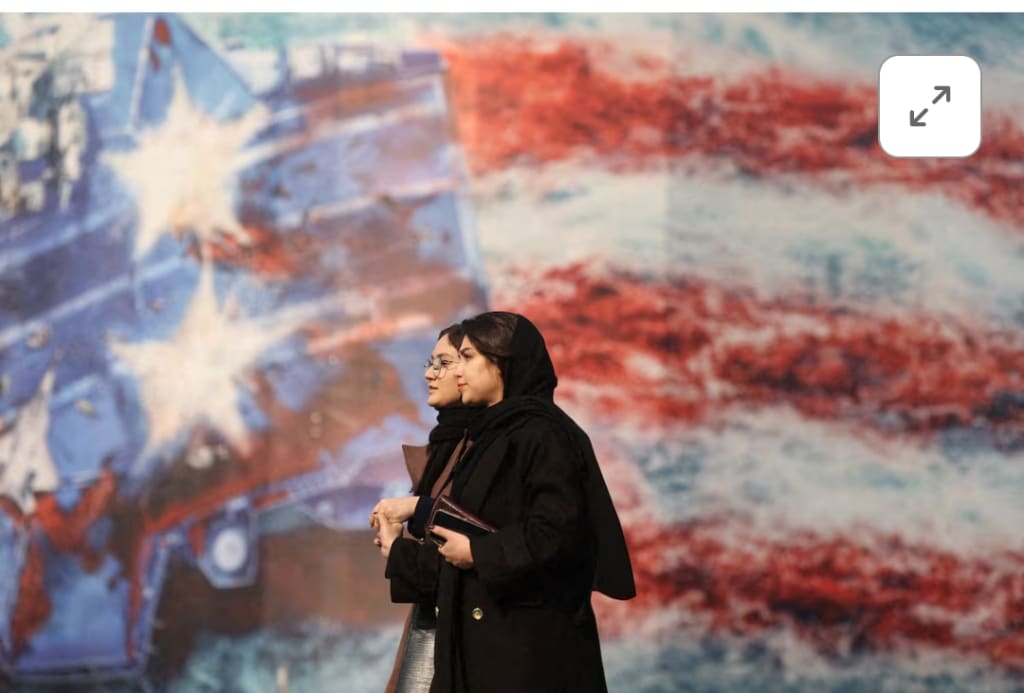
President Donald Trump is reportedly considering military action against Iran as a way to revive anti-government protests and pressure Tehran’s leadership, according to sources familiar with internal discussions. The contemplated options include precision strikes on Iranian security forces, ballistic missile sites, or critical infrastructure, with the hope that such actions could weaken the regime’s grip and inspire renewed demonstrations among citizens facing harsh repression.
While U.S. officials describe the approach as a potential tool to promote internal opposition to Tehran’s ruling clerical establishment, experts caution that strikes carry significant risks, including escalation into wider conflict and unintended consequences for the very protesters the U.S. seeks to support.
The Context: Widespread Protests in Iran
Iran has been gripped by large-scale protests since late 2025, triggered by economic hardship, political repression, and public dissatisfaction with the government. What began as a demonstration over economic issues has evolved into a broader challenge to the ruling authorities, with citizens calling for political reform and greater freedoms.
The Iranian government has responded with severe force, deploying the Islamic Revolutionary Guard Corps (IRGC) and security units to suppress dissent. Human rights organizations estimate thousands of deaths and mass arrests, drawing international condemnation. The scale of repression has left protesters demoralized, creating an opening for external powers like the U.S. to influence the situation—at least in theory.
Why Trump Is Considering Military Options
Sources say that Trump and his advisers are examining the use of targeted military strikes to pressure the regime while signaling support for domestic protest movements. Unlike full-scale war, the proposed measures are intended to be surgical in nature, focusing on high-value military targets and units directly involved in suppressing civilians.
The strategic rationale is that demonstrating the U.S.’s willingness to act could embolden protesters, force Iranian security forces to divert attention, and create fractures within the government. Some advisers also argue that such actions could pressure Iran to negotiate more seriously on its nuclear program and regional activities.
However, officials emphasize that no final decision has been made, and the White House has not publicly confirmed any military plan.
Regional and Strategic Concerns
Military action against Iran is fraught with complexity. Analysts warn that strikes could trigger retaliation from Iran’s regional proxies, including missile or drone attacks in the Gulf, Israel, or even beyond. Countries like Saudi Arabia, Qatar, and the UAE have expressed concern over potential escalation and emphasized that they would not allow their airspace or territory to be used for attacks without explicit guarantees.
Moreover, hard-line elements within Iran may use a U.S. strike as justification to tighten control over protesters, potentially undermining the very goal of inspiring renewed demonstrations. Experts note that without internal defections or substantial support for the opposition, external military pressure can strengthen the regime rather than weaken it.
The Debate Within Washington
The Trump administration appears divided over the risks and benefits of potential strikes. Proponents argue that the U.S. must act decisively to protect human rights, support protesters, and deter Tehran from continuing repression. Critics warn that military action could backfire strategically, destabilize the region, and harm America’s diplomatic standing.
In Congress and among foreign policy experts, the discussion revolves around whether military intervention can achieve political goals without triggering broader conflict. There is a consensus that any strike must be carefully calibrated to avoid civilian casualties while sending a clear message to Iranian leadership.
Diplomatic Balancing Act
While weighing military options, Trump has continued to combine rhetorical pressure with calls for negotiations. He has repeatedly urged Iran to return to talks over its nuclear program, warning that time is limited and stressing that the U.S. is prepared to act unilaterally if necessary.
Tehran, for its part, has rejected external interference and warned that any strike would be met with forceful retaliation. Iranian officials argue that military pressure will not coerce change from within and that only domestic political developments can determine the regime’s fate.
Potential Outcomes
Military action aimed at inspiring protests carries multiple potential outcomes:
1. Successful Disruption: Limited strikes could temporarily weaken the IRGC or security apparatus, giving protesters renewed momentum.
2. Escalation of Violence: Iran could respond with missile attacks, cyber operations, or support for regional proxy groups, potentially triggering broader conflict.
3. Regime Entrenchment: Hard-liners might use the strikes to justify harsher repression, weakening protesters and consolidating power.
4. Diplomatic Fallout: U.S. allies in the region and globally may criticize or distance themselves from unilateral actions, complicating future diplomacy.
The Humanitarian Dimension
Beyond strategy and geopolitics, there is a human cost to consider. Iranian civilians have already endured mass casualties, widespread arrests, and disrupted services during the crackdown. Any military action risks further suffering, making it crucial for the U.S. to weigh humanitarian considerations alongside strategic goals.
Experts suggest that non-military tools, including economic sanctions targeted at regime leaders and support for civil society groups, could complement or even replace military options, potentially achieving goals without escalating conflict.
Conclusion: A High-Stakes Decision
President Trump’s reported deliberations over strikes against Iran illustrate the complex intersection of military strategy, foreign policy, and domestic political considerations. The potential goal — inspiring renewed protests and weakening Tehran’s crackdown — is ambitious but fraught with risk.
As the U.S. weighs its options, the international community watches closely. Any action could reshape Middle East geopolitics, U.S.–Iran relations, and the fate of anti-government protesters in Iran. Whether through force, diplomacy, or a combination of both, the coming weeks will test the limits of American influence in the region and the consequences of using military power to affect domestic uprisings abroad.
About the Creator
Asad Ali
I'm Asad Ali, a passionate blogger with 3 years of experience creating engaging and informative content across various niches. I specialize in crafting SEO-friendly articles that drive traffic and deliver value to readers.
Delta Announces Las Vegas Sky Club, Plans to Revamp 2 Florida Lounges
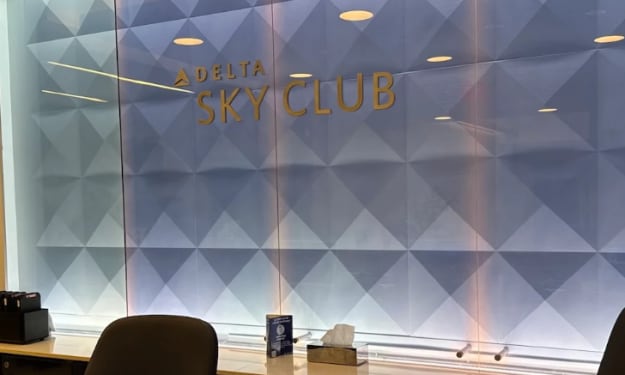
Delta Air Lines is continuing to redefine the airport lounge experience with the announcement of a new Sky Club in Las Vegas and plans to revamp two lounges in Florida. Known for providing premium services to frequent flyers, Sky Club lounges offer travelers a space to relax, work, and recharge before flights. This latest expansion reflects Delta’s commitment to enhancing comfort, convenience, and brand loyalty in the competitive airline industry. The Las Vegas Sky Club: A New Hub for Comfort Delta’s new Sky Club in Las Vegas will be located within McCarran International Airport’s Terminal 3, a major hub for domestic and international travelers. The Las Vegas lounge promises a blend of luxury and practicality, catering to the city’s diverse traveler base—from business professionals to leisure tourists heading for the entertainment capital of the world. Key features of the Las Vegas Sky Club are expected to include: Spacious seating areas designed for both relaxation and productivity High-speed Wi-Fi and business-friendly amenities for working travelers Gourmet dining options and curated beverage selections Modern design and aesthetics that reflect both Delta’s brand and Las Vegas flair The lounge is part of Delta’s broader strategy to enhance the traveler experience by providing spaces that go beyond traditional airport seating, creating an environment where passengers can arrive at their destinations refreshed and ready. Florida Lounge Renovations: Miami and Fort Lauderdale In addition to the Las Vegas announcement, Delta has revealed plans to revamp two Florida Sky Clubs, located in Miami International Airport and Fort Lauderdale-Hollywood International Airport. These renovations aim to modernize facilities, expand capacity, and introduce new amenities for travelers in these busy airports. Florida is a significant market for Delta due to high volumes of domestic flights and international connections to Latin America and the Caribbean. Upgraded lounges in Miami and Fort Lauderdale will focus on: Enhanced seating layouts for improved comfort Updated food and beverage offerings, including local flavors Technology upgrades for streaming, business workspaces, and charging stations Eco-friendly design elements as part of Delta’s sustainability initiatives By revamping these lounges, Delta is addressing the growing expectation among passengers for airport spaces that are both functional and luxurious. Why Sky Clubs Matter in Airline Strategy Sky Clubs are more than just lounges—they are a critical component of Delta’s customer experience strategy. Premium passengers, especially those in Delta One, First Class, or with SkyTeam elite status, value access to these spaces as part of their travel journey. Airline lounges: Enhance loyalty: Frequent flyers are more likely to stick with airlines that provide exceptional experiences. Generate revenue: Memberships and day passes contribute significantly to airline income. Support brand positioning: Lounges reflect an airline’s commitment to comfort, luxury, and service excellence. With these expansions, Delta positions itself as a leader in airport amenities, emphasizing that travel is not just about getting from point A to B—it’s about the overall journey. Traveler Reactions and Expectations Delta travelers have responded positively to the news. Many have expressed excitement over: The opportunity to experience a new lounge in Las Vegas, a city known for luxury and entertainment Upgraded facilities in Florida, which improve comfort on both business and leisure trips The focus on high-quality food and beverage options, which are increasingly important for travelers Social media chatter reflects a broader trend: passengers are willing to pay extra or adjust loyalty programs to enjoy elevated lounge experiences. How Delta Stays Competitive The airline industry is highly competitive, and premium lounges play a strategic role. Delta faces competition from other major carriers, including American Airlines, United, and JetBlue, each of which invests in lounge experiences. Delta differentiates itself through: Innovative lounge design tailored to specific cities High-quality dining and beverage selections Integrated technology for seamless work and leisure Focus on sustainability in new and renovated spaces By announcing both the new Las Vegas Sky Club and the Florida renovations, Delta signals its commitment to continuous improvement and innovation in passenger experience. A Look Ahead: What This Means for Travelers Travelers can expect the following benefits from these developments: More options for rest and work: Especially important for long layovers or business trips. Improved customer experience: Delta’s lounges combine comfort, technology, and service excellence. Enhanced loyalty benefits: Frequent flyers gain more value from memberships and elite status. Modern, sustainable designs: Reflecting trends in eco-conscious travel and airport architecture. For Las Vegas travelers, the lounge will also become a destination in itself—a place where passengers can unwind before enjoying the city’s attractions. Meanwhile, Florida travelers will experience upgraded amenities that make busy domestic or international airports feel more hospitable. Final Thoughts Delta Air Lines’ announcement of a Las Vegas Sky Club and the revamp of two Florida lounges highlights a growing trend in the airline industry: passengers increasingly demand more than just flights—they want comfort, convenience, and curated experiences from departure to arrival. By investing in lounges, Delta demonstrates that premium services are not just a perk—they are an essential part of brand loyalty, passenger satisfaction, and competitive strategy. Whether traveling for business or leisure, passengers can look forward to lounges that are modern, luxurious, and tailored to the city they’re flying from, making the airport experience an integral part of the journey.
By Muhammad Hassan6 days ago in The Swamp
Davos Onlookers Notice Trump’s ‘Board of Peace’ Logo Resembles UN Emblem
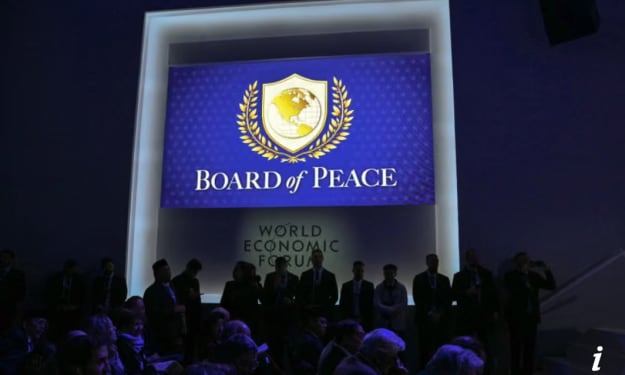
As global leaders, corporate executives, and policy experts gathered in Davos for the World Economic Forum, an unexpected detail sparked discussion beyond speeches and policy panels. Observers noted that the logo associated with former U.S. President Donald Trump’s newly promoted “Board of Peace” bears a striking resemblance to the emblem of the United Nations, raising questions about symbolism, branding, and political messaging on the world stage.
By Aarif Lashari7 days ago in The Swamp


Comments
There are no comments for this story
Be the first to respond and start the conversation.