
Trump Vows ‘Big Retaliation’ as ‘Sell America’ List Grows
Former president escalates rhetoric amid rising controversy over business deals and national interests

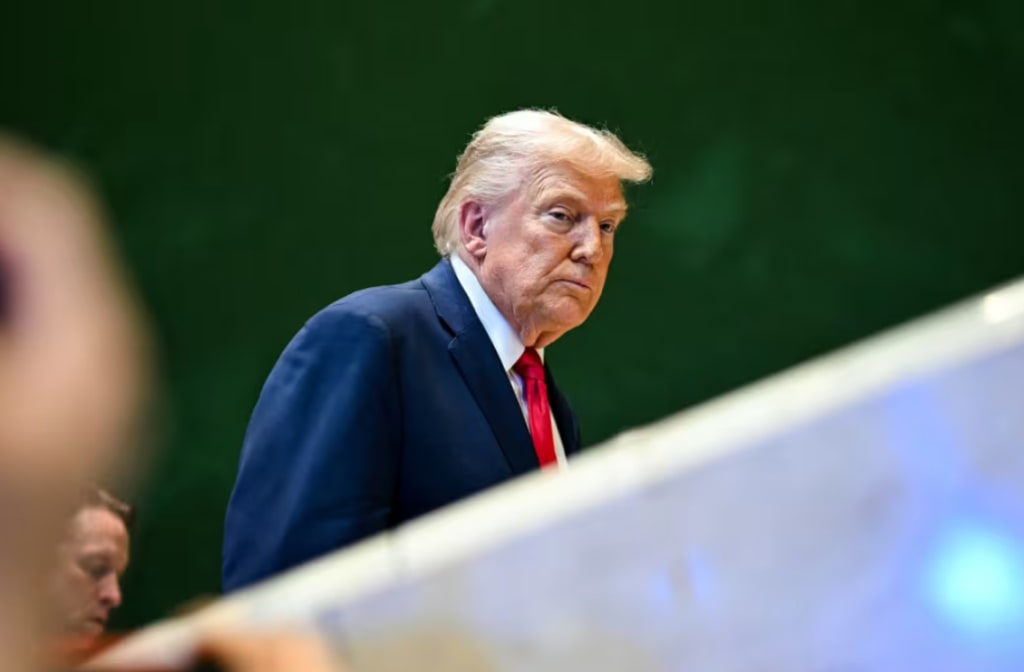
Former U.S. President Donald Trump has once again made headlines by promising a “big retaliation” in response to growing criticism and scrutiny over what he calls the “Sell America” list. The list reportedly tracks companies, executives, and organizations that Trump perceives as harming U.S. economic interests, and his remarks have sparked debate across political, business, and social circles.
Analysts suggest that the rhetoric reflects both Trump’s focus on economic nationalism and his strategy to maintain influence over supporters ahead of upcoming political campaigns.
Understanding the ‘Sell America’ List
The “Sell America” list, as described by Trump and his associates, is intended to identify individuals or organizations that allegedly undermine U.S. business or national interests. According to Trump, the list includes:
Companies moving production overseas
Executives supporting policies or initiatives he views as harmful to the U.S. economy
International deals perceived to disadvantage American workers or consumers
While critics argue that the list is symbolic and politically motivated, Trump has indicated that he plans to take concrete action against those included, including economic, legal, or regulatory measures.
Trump’s Promise of Retaliation
In recent statements, Trump emphasized that his administration—or any future political influence he wields—would:
Target businesses he believes exploit American resources or labor
Challenge international deals he considers unfavorable
Support legislation that reinforces economic nationalism and domestic manufacturing
Trump’s remarks come amid growing concern over the impact of globalization, outsourcing, and foreign investment on U.S. workers, themes he has repeatedly highlighted during speeches and campaigns.
Political and Economic Context
The controversy around the “Sell America” list comes at a time when the U.S. economy is facing multiple pressures, including:
Inflation and cost-of-living concerns affecting households
Trade negotiations with foreign countries, particularly China and Europe
Corporate restructuring and layoffs in major companies
By framing certain corporations and executives as enemies of the American worker, Trump is tapping into economic frustrations and populist sentiment, reinforcing his long-standing narrative of “America First.”
Reactions from Business and Political Leaders
The growing list has prompted diverse reactions:
Business leaders express concern over reputational risk and the potential for regulatory scrutiny. Companies mentioned in the list may face public backlash or pressure from stakeholders.
Political commentators argue that Trump’s rhetoric may energize his supporters, but it also risks polarizing debates and undermining trust in corporate decision-making.
International partners have noted the controversy, with some suggesting it may complicate trade negotiations or investment decisions involving U.S. companies.
Some analysts warn that the rhetoric could affect investor confidence and economic stability, especially if it leads to policy or legal actions against companies perceived as targets.
Social Media and Public Reaction
Trump’s statements about retaliation and the “Sell America” list have gone viral on social media platforms. Supporters applaud his commitment to defending American jobs, while critics argue that the list represents political grandstanding rather than actionable policy.
Online discourse has included:
Memes and commentary highlighting companies allegedly moving jobs overseas
Debate over Trump’s influence on private businesses
Discussions about economic nationalism versus free market principles
The controversy reflects broader divisions in public opinion regarding globalization, corporate responsibility, and government intervention in the economy.
Potential Implications
If Trump follows through on his promise of retaliation, potential consequences could include:
Legal or regulatory scrutiny on targeted companies
Changes in trade policy affecting U.S. and international businesses
Political ramifications in upcoming elections, energizing supporters while alienating opponents
Economic ripple effects, including shifts in corporate investment strategies or public perception
Experts note that the exact impact will depend on whether Trump’s influence remains symbolic and rhetorical, or if it leads to formal actions with legal or economic consequences.
The Broader Message
Trump’s rhetoric around the “Sell America” list taps into themes of economic nationalism, populism, and protection of American workers. It also highlights his approach to:
Maintaining relevance in political discourse
Shaping narratives around foreign and domestic economic policy
Mobilizing supporters through symbolic gestures and lists
Regardless of the actual actions taken, the controversy demonstrates the power of public statements and political framing in shaping perception and debate.
Expert Perspectives
Economists and political analysts provide context for the ongoing discussion:
Economists caution that targeting companies without clear policy backing could harm business confidence and market stability.
Political scientists note that Trump’s approach is consistent with previous strategies that combine economic rhetoric with populist messaging.
International trade experts warn that foreign investment decisions may be affected if companies feel they could be added to public “watch lists” or targeted for political reasons.
These perspectives underscore the potential wide-ranging consequences of the “Sell America” list, both domestically and internationally.
Looking Ahead
The controversy around the “Sell America” list is likely to continue dominating headlines, with potential developments including:
Further public statements from Trump regarding specific companies
Reactions from business leaders and trade organizations
Possible policy proposals or legislative initiatives influenced by Trump’s rhetoric
Media coverage and social debate shaping public perception
Analysts suggest that businesses, investors, and policymakers should monitor developments closely and consider potential risks and opportunities arising from this high-profile controversy.
Conclusion
Trump’s vow of “big retaliation” in response to the growing “Sell America” list highlights the intersection of politics, economics, and public perception. While supporters praise his stance as a defense of U.S. workers and domestic interests, critics warn of potential economic, legal, and diplomatic consequences.
As the debate continues, the situation serves as a reminder of how rhetoric and political action can influence corporate decisions, investor sentiment, and international relations, making it a story that resonates across multiple sectors and communities.
About the Creator
Muhammad Hassan
Muhammad Hassan | Content writer with 2 years of experience crafting engaging articles on world news, current affairs, and trending topics. I simplify complex stories to keep readers informed and connected.
Keep reading
More stories from Muhammad Hassan and writers in The Swamp and other communities.
Donald Trump’s Latest Visa Ban Hits African Countries Hard
Donald Trump’s latest visa ban has once again drawn global attention, this time affecting several African countries, and sparking criticism from human rights groups, government officials, and business leaders. The move, which limits the ability of citizens from affected nations to obtain U.S. visas, is being described as a major blow to international travel, trade, and diplomatic relations.
By Muhammad Hassan2 months ago in The Swamp
The Forsyth House Fire
Since 1851, Forsyth House has stood on the corner of Union Street and Gordon Street in the heart of Glasgow. Its iconic, or was... because on Sunday 8th of March, 2026, a fire broke out in a small, seemingly un-named shop in the building and tore all that history down. As I write, the rubble is still unsettled and the street is still blocked off. Central Station is quiet on the upper level, and around 30 small businesses have quite literally gone up in smoke.
By S. A. Crawforda day ago in The Swamp


Comments
There are no comments for this story
Be the first to respond and start the conversation.