
Trump Urges Xi to Free Hong Kong’s Jimmy Lai in Major Diplomatic Appeal
A high-level plea that renews the global debate on press freedom, political dissent, and China’s role in Hong Kong
Introduction
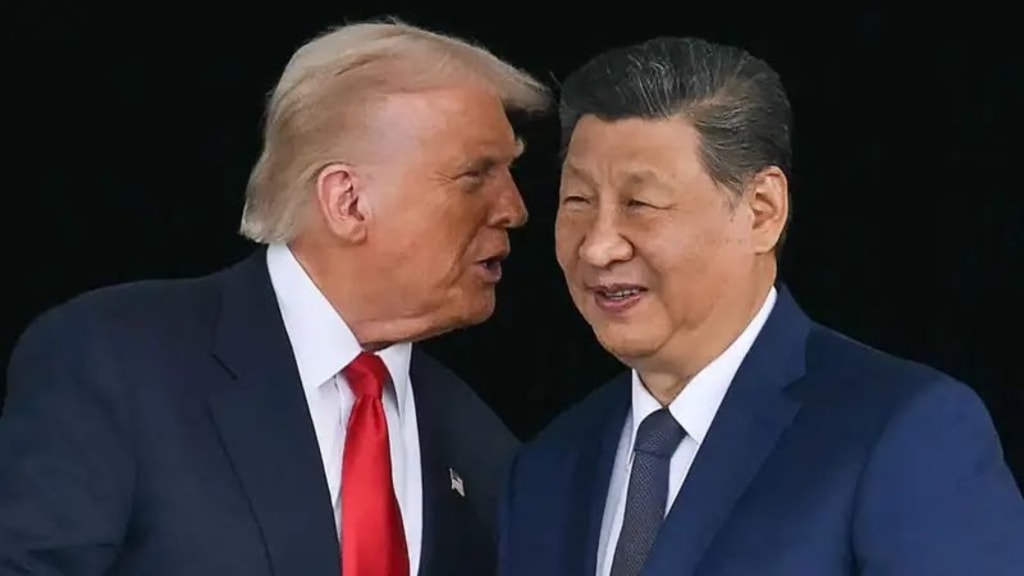
Former U.S. President Donald Trump has urged Chinese President Xi Jinping to release jailed Hong Kong media tycoon Jimmy Lai, making the case one of the most high-profile diplomatic appeals involving Hong Kong in recent years. Trump’s statement has once again pushed the issue of press freedom and political repression in Hong Kong into the international spotlight.
Jimmy Lai’s imprisonment is widely seen as symbolic of the broader crackdown on dissent following the implementation of China’s national security law. Trump’s intervention adds political weight to an issue that human rights groups and journalists have been raising for years.
Who Is Jimmy Lai and Why Is He Important?
Jimmy Lai is the founder of Apple Daily, once one of Hong Kong’s most influential pro-democracy newspapers. Known for his outspoken criticism of Beijing and strong support for democratic values, Lai became a controversial figure as China tightened control over Hong Kong.
After the national security law was imposed in 2020, Apple Daily was forced to shut down, and Lai was arrested on multiple charges. Critics argue that these charges were politically motivated, designed to silence dissent and intimidate independent media.
To supporters, Lai represents more than a single individual—he has become a symbol of free speech, journalistic independence, and resistance against authoritarian pressure.
Trump’s Appeal to Xi Jinping
Trump’s call on President Xi Jinping to free Jimmy Lai is notable because it elevates the case from legal proceedings to direct diplomacy. According to reports, Trump framed the issue as both a humanitarian concern and a matter of international principle.
The former U.S. president reportedly expressed concern about Lai’s age, health, and extended detention. By appealing directly to Xi, Trump signaled that Lai’s imprisonment has implications beyond Hong Kong’s borders.
Political analysts note that Trump’s approach reflects his history of using personal diplomacy with world leaders, often bypassing traditional channels to apply pressure at the highest level.
International Reaction and Pressure
Jimmy Lai’s detention has drawn condemnation from governments, lawmakers, journalists, and human rights organizations worldwide. Western nations including the United States, the United Kingdom, and members of the European Union have repeatedly called for his release.
Press freedom organizations argue that Lai’s conviction sends a dangerous message to journalists globally—that challenging powerful governments can lead to severe punishment. Many believe that Hong Kong, once known for its vibrant and independent media landscape, has undergone a dramatic transformation.
Trump’s intervention has renewed media attention and added momentum to ongoing international campaigns demanding Lai’s freedom.
China’s Position on the Case
Chinese and Hong Kong authorities maintain that Jimmy Lai was prosecuted under the law and deny claims of political persecution. Beijing has consistently rejected foreign criticism, describing it as interference in China’s internal affairs.
Officials argue that the national security law is essential for maintaining stability and sovereignty. According to the Chinese government, no individual is above the law, regardless of status or international support.
This sharp divide between China’s stance and Western criticism highlights the deeper ideological conflict over governance, freedom of expression, and the rule of law.
Humanitarian and Health Concerns
Beyond politics, Lai’s supporters have raised serious concerns about his physical and mental health. Now in his seventies, Lai has spent years in detention, much of it under strict conditions.
His family and legal team have warned that prolonged imprisonment poses significant health risks. Human rights advocates argue that releasing Lai on humanitarian grounds would demonstrate compassion and reduce international tension.
These concerns have become central to arguments made by supporters urging diplomatic intervention.
Impact on U.S.–China Relations
Trump’s appeal comes at a time when relations between the U.S. and China remain strained over trade disputes, technology competition, Taiwan, and human rights. While it is unclear whether Xi Jinping will respond positively, the request adds another sensitive issue to an already complex relationship
Experts say the outcome of this appeal could signal how China responds to international pressure in future high-profile human rights cases.
Why This Case Matters Globally
Jimmy Lai’s imprisonment is no longer just a local legal matter—it has become a global test of press freedom and political rights. How the case is resolved may influence how journalists, activists, and governments assess China’s approach to dissent
For many observers, Trump’s appeal underscores a simple reality: when journalism becomes a crime, freedom itself is under threat.
Conclusion
Trump’s call for Xi Jinping to free Jimmy Lai has once again brought global attention to the state of press freedom in Hong Kong. Whether or not the appeal succeeds, it reinforces the idea that Lai’s fate carries international significance
As governments, journalists, and human rights advocates continue to watch closely, Jimmy Lai remains a powerful symbol of the struggle between authority and freedom—one that will shape Hong Kong’s legacy for years to come.
About the Creator
Keep reading
More stories from Zahid Hussain and writers in The Swamp and other communities.
Hollywood Director Rob Reiner and Wife Michele Found Dead in LA Home
Hollywood is reeling after the tragic deaths of legendary director, actor, and cultural icon Rob Reiner and his wife, Michele Singer Reiner, whose bodies were found on Sunday in their upscale Brentwood, Los Angeles home in what authorities are investigating as an apparent homicide.
By Zahid Hussainabout a month ago in The Swamp
Iran’s Khamenei Blames Violent Protests on Trump
Iran is once again at the center of international attention after Supreme Leader Ayatollah Ali Khamenei blamed violent protests on former U.S. President Donald Trump, accusing Washington of fueling unrest inside the country. The comments come amid widespread demonstrations, a heavy security crackdown, and rising international concern over human rights and regional stability.
By Aarif Lashari2 days ago in The Swamp
Wild Card Weekend Recap: What Happens Now?
I think I figured out why I love Wild Card Weekend so much. It's because it's the first playoff anything of the calendar year. The NFL season starts in the fall, and once upon a time, the champion was crowned either on or slightly before New Year's. The evolution of the NFL schedule has resulted in the playoffs starting just into the New Year, and currently, the final week of the season falls on the first weekend of the New Year, with Wild Card Weekend coming a week after that. So yes, chronologically, the NFL's Wild Card Weekend serves as the first playoff anything of the calendar year.
By Clyde E. Dawkins7 days ago in Unbalanced



Comments
There are no comments for this story
Be the first to respond and start the conversation.