
Trump Tariffs Fuel Inflation Spike, Pose Threat to Economic Well being
In a move that has sparked fierce debate among economists, politicians, and ordinary Americans alike, former President Donald Trump recently issued a sweeping new round of tariffs on imported products made abroad

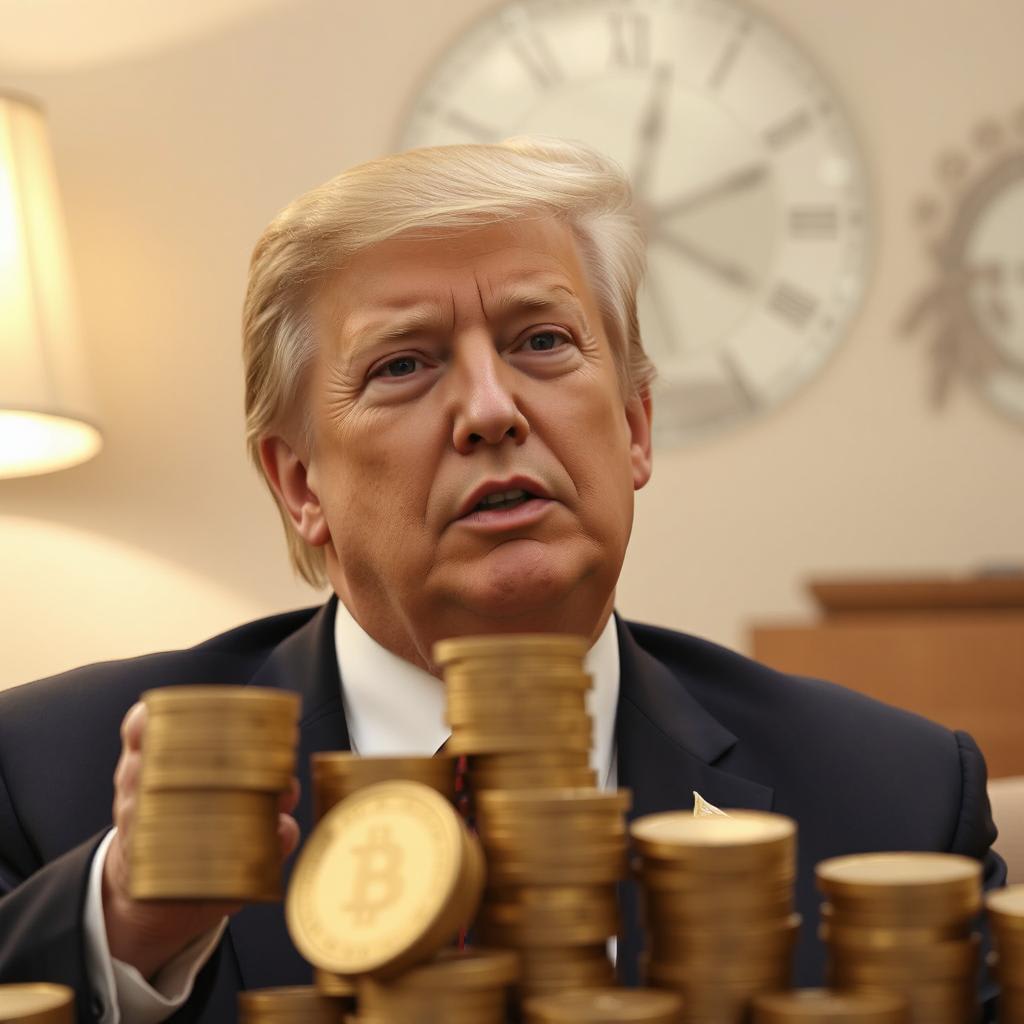
In a move that has sparked fierce debate among economists, politicians, and ordinary Americans alike, former President Donald Trump recently issued a sweeping new round of tariffs on imported products made abroad. While his administration has framed the tariffs as protection for American businesses and as a source of domestic jobs, the reality on the ground is more complex and much more expensive.
Even weeks after they came into force, the ripple effects are already evident: food prices are up, the price of vehicles is skyrocketing, and inflation already a concern in recent years is gaining renewed speed. For millions of households, these tariffs are not an abstract policy decision; they're an immediate hit on the household budget.
What Are These Tariffs All About?
The new policy targets a wide variety of imports, from electronics and cars to household consumer goods like coffee, clothing, and home appliances. Trump's target, he says, is to reduce America's reliance on foreign production and to get manufacturers to produce more domestically.
Sounds great on paper, sounded patriotic. In practice, tariffs are a levy on imports, and the cost always manages to get passed on to the consumer. If the stores are paying more for the products that they import from abroad, they pass on the costs by raising the prices. And with the latest set of tariffs that crosses so broad a range of goods, there is little room for the average consumer to maneuver.
Inflation: The Uninvited Guest Who Won't Leave
The US economy has been struggling with inflation for decades, especially in the wake of pandemic-created supply chain congestion and rising energy prices. Just when things were beginning to balance out, these tariffs have added fresh fuel to the fire.
Economists warn that we are possibly moving into what some call a "stagflation lite" situationva period when inflation remains high as employment growth slows. That is a particularly dangerous mix because it indicates prices keep rising, yet people's wages don't rise fast enough to keep up.
Increases in prices already are being felt in prime areas:
- Cars: Tariffs on imported cars and car parts mean higher price stickers for new and used vehicles.
- Groceries: Imported coffee, tea, and some fruits and vegetables are getting pricier, contributing to rising food prices.
- Clothing: Tariff charges are being passed along to consumers, so your next pair of sneakers or jeans might ring up slightly higher.
The Political Gamble
Politically, the tariffs are a high risk, high reward gambit. Trump's supporters think that the short-term pain is worth the long term gain of a re energized manufacturing base and greater independence from foreign markets, most notably China.
Critics, however, argue that the strategy self destructs. While the intent is to preserve American jobs, many industries produce final products in this nation using foreign components. If the latter turn out to be too expensive, it could lead to lower output, layoffs, or even the closure of some companies.
And not just economists question it. Retailing groups, auto associations, and farm organizations all have raised cautions regarding the potential damage to businesses and consumers alike.
Wall Street vs. Main Street
In a surprising twist, Wall Street's initial reaction has been mixed. Some industries most prominently domestic manufacturing and steel production saw short-term stock boosts, as investors predict increased demand for U.S.-made merchandise.
Main Street is not quite so fortunate. Small businesses that import goods are suffering. "I believe in American jobs," declared a Chicago boutique coffee shop owner to the press, "but when I pay my wholesale rates 20% more overnight, I either have to raise my latte price or reduce my own wage. Either way, my customers and I lose out."
Can This Backfire?
History serves as a lesson. Throughout Trump's first term, Chinese tariffs on American imports have been met with retaliatory tariffs on Chinese exports. American farmers have especially suffered, losing access to vital markets and seeing their profits collapse. Ultimately, the government had to intervene with billions in subsidies to keep them going a Band Aid that was expensive and didn't address the underlying problem.
There is a real risk of observing that vicious cycle repeat itself. When other countries respond with their own trade barriers, American exporters could find themselves locked out of lucrative markets, further straining the economy.
The Human Impact
Behind the graphs and political posturing, the human side to this story is extremely personal. For a household already living paycheck to paycheck, a 10 15% increase in food or utility costs can translate into giving up the essentials. For entrepreneurs, higher wholesale prices can be about having to make tough decisions regarding firing staff, reducing hours, or closing up shop for good.
Tariffs can be an astonishing economic weapon from a policy standpoint, but at street corner level, they are usually an invisible tax a one that falls hardest on the most cash strapped.
The Road Ahead
What happens next will depend on several things:
- Global Response: Will trading partners retaliate, or will they negotiate?
- Domestic Adaptation: Can American manufacturers move fast enough to match demand at competitive prices?
- Consumer Spending: Will Americans hold back on artificial spending, or merely soak up artificial expenses?
If history is any indication, these tariffs will be a starring issue of the next election cycle. Supporters will call them a step toward economic sovereignty; critics will call them an expensive mistake. The truth, as always, will lie somewhere in between and those who will be hurt most will be ordinary people struggling to make ends meet in a fast-growing more expensive world.
Final Thought
Tariffs are neither evil nor benevolent tariffs are a tool. The issue is whether they're being utilized well or poorly, and whether the long term benefit will be worth the short-term pain. One thing is certain, however: the American economy will be experiencing another rollercoaster of uncertainty, and for millions of households, the cost of living is shortly going to be that much more.
About the Creator
M Ayub Khan
Welcome to my corner of the world! I’m Ayub Khan, a storyteller with a passion for digging deeper into the human experience. Here on Vocal Media, I aim to break the surface and explore the complexities of life that often go unnoticed
Keep reading
More stories from M Ayub Khan and writers in The Swamp and other communities.
Trump Overrides Local Authority, Takes Charge of D.C. Law Enforcement
It was a Tuesday morning in Washington, D.C., but the air carried a different kind of weight. On the surface, everything seemed ordinary: tourists gathered outside the Smithsonian, commuters hurried through Union Station, and street vendors set up carts filled with coffee and bagels. But beneath the city’s everyday rhythm, something extraordinary was unfolding.
By M Ayub Khan5 months ago in The Swamp
Kianna Underwood
In an entertainment industry that often defines young talent by a single platform or breakout moment, Kianna Underwood represents a refreshing shift. Rather than being boxed into one label, she is steadily shaping a multifaceted identity built on creativity, adaptability, and authenticity. While many audiences first associate Kianna Underwood with Nickelodeon, her journey reflects far more than a network credit—it highlights the evolving path of modern entertainers who balance visibility with personal growth. From early exposure to mainstream media to her expanding presence beyond traditional television, Kianna Underwood’s story mirrors the changing landscape of youth entertainment. Early Ambitions and Creative Foundations Like many performers drawn to acting and media at a young age, Kianna Underwood’s passion didn’t emerge overnight. Her early interest in storytelling, performance, and self-expression laid the groundwork for future opportunities. Rather than chasing fame, she focused on learning how to communicate emotion, connect with audiences, and adapt to different creative environments. These formative years helped her develop discipline—an often overlooked quality in young performers. Whether through acting, creative collaboration, or on-camera experience, Kianna learned that consistency and preparation matter just as much as natural talent. Kianna Underwood and Nickelodeon: A Defining Chapter For many viewers, Kianna Underwood Nickelodeon is the phrase that first brings recognition. Nickelodeon has long served as a launchpad for young performers, offering not only visibility but also structured environments where emerging talent can learn the mechanics of television production. Being associated with Nickelodeon places Kianna Underwood within a legacy network known for shaping cultural moments for younger audiences. The experience exposed her to fast-paced production schedules, collaborative storytelling, and the responsibility of creating content that resonates with families and children alike. However, what sets Kianna apart is her understanding that Nickelodeon is a chapter—not the entire book. Rather than relying solely on network recognition, she has used the experience as a stepping stone toward broader creative goals. Navigating Life After the Spotlight One of the biggest challenges young actors face is transitioning beyond early exposure. The entertainment industry moves quickly, and staying relevant requires adaptability. Kianna Underwood’s approach reflects maturity beyond her years—she recognizes the importance of growth, reinvention, and long-term vision. Instead of chasing immediate validation, she has shown interest in expanding her skills. This includes exploring creative avenues that allow more personal expression, whether through digital platforms, collaborative projects, or behind-the-scenes learning. In today’s media ecosystem, versatility is power, and Kianna seems aware of that reality. Her journey highlights an important truth: success is not always loud. Sometimes it unfolds quietly through deliberate choices and steady progress. Representation and Relatability Audiences today connect most strongly with individuals who feel genuine. Kianna Underwood’s appeal lies in her relatability—she doesn’t present herself as untouchable or overly curated. This authenticity is especially important for younger viewers who look to public figures as examples rather than idols. By staying grounded, Kianna contributes to a healthier representation of young talent in media. She demonstrates that it’s possible to participate in major platforms like Nickelodeon while still maintaining individuality and balance. This grounded presence helps her stand out in an industry that often prioritizes image over substance. The Influence of Nickelodeon on Career Development Working with Nickelodeon provides more than screen time—it offers mentorship, structure, and exposure to industry standards. For Kianna Underwood, this experience likely played a key role in shaping her professionalism and creative confidence. Nickelodeon alumni often speak about the importance of teamwork and discipline learned during their time with the network. These lessons tend to carry forward, influencing how performers approach future opportunities. Kianna Underwood’s association with Nickelodeon places her within that tradition of growth-focused development rather than short-term stardom. Looking Toward the Future As Kianna Underwood continues to evolve, her career path remains open-ended—and that’s a strength. In a world where entertainers are no longer limited to television alone, she has the opportunity to explore acting, digital media, advocacy, or creative entrepreneurship. What matters most is intention. Rather than being defined solely by “Kianna Underwood Nickelodeon,” she has the chance to redefine what success looks like on her own terms. Whether she chooses to remain in front of the camera or expand into other creative roles, her foundation positions her well for sustainable growth. A New Model for Young Talent Kianna Underwood represents a new generation of entertainers—one that values balance, authenticity, and purpose. Her journey reminds audiences that early recognition doesn’t have to dictate an entire career. With thoughtful choices and continued self-discovery, she exemplifies how young creatives can navigate fame without losing themselves in it. As the entertainment industry continues to change, stories like Kianna Underwood’s offer a hopeful perspective. They show that talent, when paired with self-awareness and patience, can lead to meaningful and lasting impact. In the end, Kianna Underwood is more than a name associated with Nickelodeon. She is a developing creative voice—one that reflects where youth entertainment is headed, and why authenticity matters more than ever
By Saboor Brohi 2 days ago in The Swamp



Comments
There are no comments for this story
Be the first to respond and start the conversation.