
Trump Signs Order to Limit Wall Street Investors in Single-Family Housing
“Trump Targets Wall Street Investors to Make Single-Family Homes More Accessible”
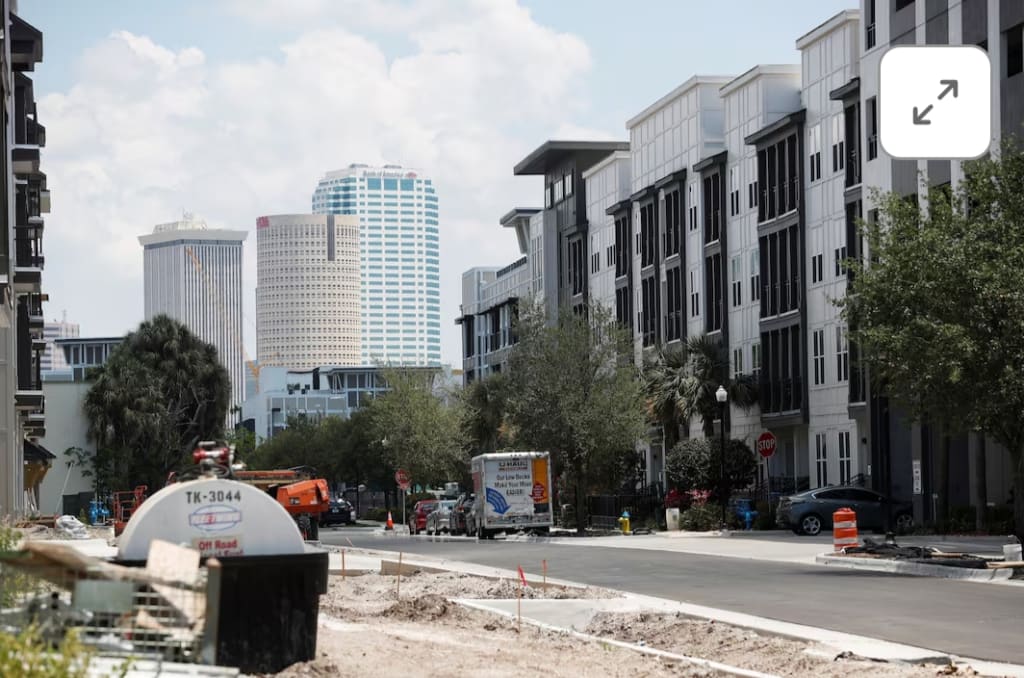
Former President Donald Trump recently signed an executive order aimed at restricting Wall Street firms from purchasing large quantities of single-family homes, a move that has stirred debate in housing, financial, and political circles. The order, framed as a measure to protect homebuyers and improve housing affordability, comes amid growing concerns about the influence of large investors on the U.S. housing market.
The Executive Order: Key Provisions
The order specifically targets private equity firms, hedge funds, and institutional investors that buy single-family homes at scale. The goal is to curb investor-driven price inflation and give first-time homebuyers a better chance at purchasing affordable housing.
Officials claim that large-scale investor purchases have contributed to rising home prices, making homeownership less attainable for ordinary Americans. By limiting these purchases, the order seeks to restore balance in the housing market and reduce speculation-driven volatility.
Impact on Wall Street and Real Estate Investors
The executive order has significant implications for Wall Street investors, many of whom have increasingly turned to the residential housing market as a source of revenue. Large-scale acquisitions of single-family homes, often bundled into rental portfolios, have generated strong returns but have also drawn criticism for pricing out individual buyers.
Analysts predict that the order could slow the pace of investor acquisitions and encourage firms to diversify into other markets, such as commercial real estate or rental complexes, rather than competing directly with first-time homebuyers.
Effects on Homebuyers and Affordability
For prospective homeowners, the order could bring welcome relief. By reducing competition from institutional buyers, single-family homes may become more accessible to ordinary Americans, particularly first-time buyers struggling with rising mortgage rates and limited inventory.
Housing advocates argue that investor activity has inflated prices, reduced neighborhood stability, and contributed to broader affordability crises in major metropolitan areas. Limiting institutional purchases may help slow price escalation and foster a more equitable housing market.
Political Reactions and Debate
Trump’s order has sparked a heated political debate. Supporters praise the move as a necessary step to protect middle-class Americans and address systemic inequalities in the housing market. Critics, however, argue that it may interfere with free-market dynamics and discourage investment in housing, potentially reducing overall housing supply.
Some economists warn that restricting investors could lead to unintended consequences, such as slower construction of new homes, decreased rental property availability, and fewer funds for housing development projects.
Housing Market Trends Driving the Decision
Over the past decade, Wall Street firms and institutional investors have increasingly entered the single-family home market, buying up large numbers of homes in suburbs and urban neighborhoods. This trend accelerated after the 2008 financial crisis, when investors purchased distressed properties at low prices and converted them into rental units.
While this strategy has been profitable for investors, it has exacerbated housing affordability issues, particularly in high-demand areas. Trump’s executive order seeks to address these long-standing market distortions.
Potential Legal and Regulatory Challenges
Experts note that the order may face legal challenges from investors and real estate organizations, particularly if it is seen as overreaching federal authority. Lawsuits could delay implementation, and regulators will need to clarify the scope and enforcement mechanisms to ensure compliance.
Additionally, some states may have conflicting housing laws or investment regulations, complicating nationwide enforcement. Policymakers will need to coordinate federal and local rules to achieve the intended outcomes.
Broader Economic Implications
The executive order could have ripple effects across the financial sector and housing economy. Limiting investor activity may reduce short-term profits for institutional buyers but could benefit long-term housing stability and affordability.
Analysts suggest that while the measure may temper speculative price increases, it is unlikely to completely reverse housing cost trends, as home prices are influenced by a combination of supply shortages, mortgage rates, and demographic pressures.
Global Perspective and Investor Behavior
Investors may respond to the order by shifting capital to other markets, including international real estate, commercial properties, or multi-family units. Global investment firms may also reassess strategies in U.S. housing, balancing regulatory risk with potential returns.
The move highlights a broader trend of government intervention in housing markets worldwide, as policymakers grapple with affordability crises, economic inequality, and the role of institutional investors in residential real estate.
Conclusion: Balancing Market Forces and Homeownership Goals
Trump’s executive order represents a bold intervention in the U.S. housing market, aiming to protect prospective homeowners and limit speculative pressures from large-scale investors. While the measure is likely to spark debate among policymakers, economists, and financial institutions, its long-term impact will depend on enforcement, market adaptation, and complementary housing policies.
Ultimately, the executive order underscores the complex interplay between investment, housing affordability, and government regulation, highlighting the ongoing challenge of ensuring that homeownership remains attainable for everyday Americans.
About the Creator
Keep reading
More stories from Aarif Lashari and writers in The Swamp and other communities.
NATO Chief Urges ‘Thoughtful Diplomacy’ in Greenland Row as Trump Lands in Zurich
Tensions in the Arctic region have intensified as the United States and Denmark find themselves at odds over Greenland, a strategically significant territory. Amid the escalating diplomatic friction, NATO Secretary-General Jens Stoltenberg has called for “thoughtful diplomacy” to ensure that alliances are preserved and tensions do not escalate into conflict. Meanwhile, former U.S. President Donald Trump arrived in Zurich for international meetings, further highlighting the global attention on Greenland’s geopolitical importance.
By Aarif Lashariabout 16 hours ago in The Swamp
Israel Bulldozes UNRWA Headquarters in East Jerusalem
Earlier this week, news broke that Israeli forces demolished the United Nations Relief and Works Agency for Palestine Refugees in the Near East (UNRWA) headquarters in East Jerusalem’s Sheikh Jarrah neighborhood. The heavy machinery razed buildings that were once key to UNRWA’s work, sparking international criticism and raising serious questions about the future of humanitarian aid in the region.
By Aqib Hussainabout 14 hours ago in The Swamp


Comments
There are no comments for this story
Be the first to respond and start the conversation.