
Trump Says ‘Very Dangerous’ for UK to Do Business with China as Starmer Lands in Shanghai
Former U.S. president warns of economic and security risks while Britain seeks trade expansion amid shifting global alliances
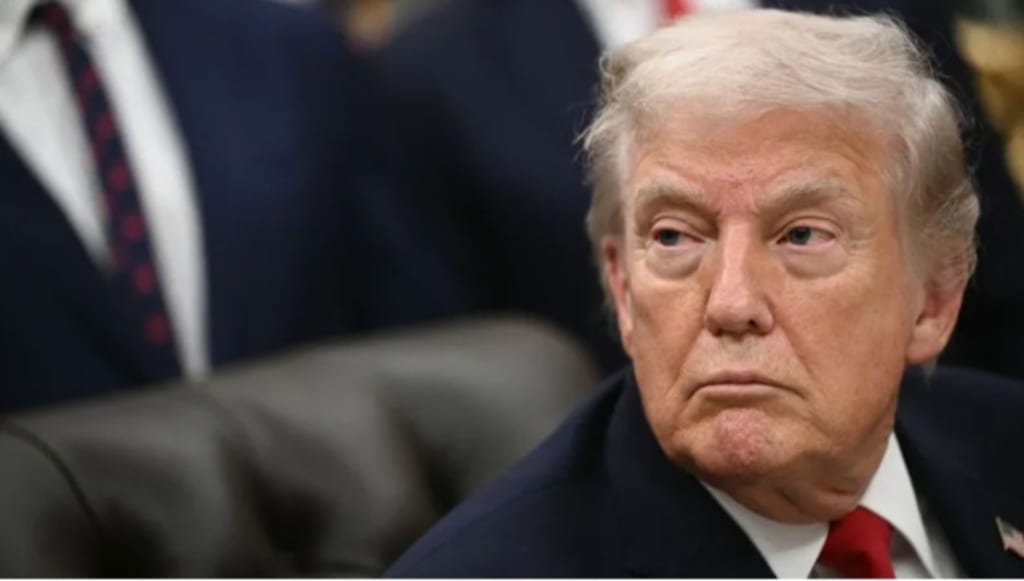
Former U.S. President Donald Trump has issued a stark warning to the United Kingdom over deepening economic ties with China, calling such engagement “very dangerous” at a time when British Prime Minister Sir Keir Starmer has arrived in Shanghai to advance trade and diplomatic relations. Trump’s remarks have reignited debate over how Western nations should navigate their relationship with Beijing amid rising geopolitical tensions and economic interdependence.
Speaking to reporters in Washington, Trump criticised what he described as a growing willingness among U.S. allies to increase business with China, despite longstanding concerns over trade practices, national security, and political influence. “It’s very dangerous for them to do that,” Trump said, referring to the UK, adding that similar risks applied to other Western nations seeking closer economic engagement with Beijing.
His comments coincided with Starmer’s high-profile visit to China, the first by a British prime minister in nearly a decade. The visit marks a significant moment in UK-China relations and signals the Labour government’s intent to pursue a more pragmatic economic approach, even as relations between China and the West remain strained.
A Strategic Visit at a Sensitive Time
Prime Minister Starmer’s arrival in Shanghai follows meetings in Beijing with senior Chinese leadership, including President Xi Jinping. The trip is aimed at revitalising trade links, supporting British exporters, and reopening channels of dialogue that have remained largely dormant since the late 2010s.
Downing Street has framed the visit as a “clear-eyed engagement” with China — one that recognises the economic importance of the Chinese market while remaining firm on issues such as national security, human rights, and international law. Officials argue that disengagement is neither realistic nor beneficial for the UK’s long-term economic interests.
Among the outcomes highlighted by the British government are reductions in tariffs on key UK exports, improved visa access for British citizens, and renewed cooperation in sectors such as finance, education, green technology, and advanced manufacturing. Shanghai, China’s financial hub, was chosen as a focal point of the visit to emphasise Britain’s strengths in services and global finance.
Trump’s Hardline China Stance
Trump’s warning is consistent with his long-held position on China, which defined much of his presidency. During his time in office, the U.S. launched a trade war against Beijing, imposed tariffs on hundreds of billions of dollars’ worth of Chinese goods, and repeatedly accused China of unfair trade practices, intellectual property theft, and strategic economic manipulation.
By describing UK-China business ties as “very dangerous,” Trump appeared to suggest that economic engagement could expose Britain to political pressure, security vulnerabilities, and long-term dependency. His remarks also reflect a broader American concern that China uses trade and investment as tools of influence.
While Trump currently holds no official office, his comments carry weight in global politics, particularly as he remains a dominant figure in U.S. political discourse and a potential future presidential contender.
UK Pushes Back Against the Criticism
UK officials were quick to downplay Trump’s remarks, emphasising that Britain’s foreign policy is shaped by national interests rather than external pressure. Government sources stressed that maintaining dialogue with China does not undermine the UK’s close alliance with the United States.
Britain continues to cooperate closely with Washington on defence, intelligence, and security through NATO and other frameworks. Officials argue that these relationships can coexist with economic engagement in Asia, including China.
“We don’t believe in choosing between allies and markets,” one senior UK official said. “The UK can be both a strong security partner to the U.S. and a competitive trading nation in a global economy.”
A Wider Western Dilemma
The dispute highlights a broader challenge facing Western democracies: how to balance economic opportunity with strategic caution when dealing with China. Beijing remains a vital trading partner for many countries, yet concerns persist over its political system, military ambitions, and role in global affairs.
European nations in particular have pursued a middle path — seeking to “de-risk” rather than fully decouple from China. This approach involves protecting sensitive industries and infrastructure while continuing trade in less sensitive sectors.
Starmer’s visit appears to align with this strategy, focusing on economic cooperation without signalling a fundamental shift in the UK’s security or diplomatic alignment.
Political and Economic Implications
Trump’s intervention could also have political implications domestically and internationally. For critics of closer China ties, his comments reinforce fears that engagement may come at a strategic cost. For supporters of Starmer’s approach, the warning highlights the need for independent decision-making in a multipolar world.
Economically, the stakes are high. China is one of the world’s largest markets, and British businesses — particularly in finance, education, and professional services — have long sought greater access. At the same time, public opinion in the UK remains cautious, shaped by concerns over human rights, cybersecurity, and global stability.
Conclusion
As Prime Minister Keir Starmer continues his visit in Shanghai, Trump’s “very dangerous” warning underscores the complexity of modern diplomacy. The UK finds itself navigating between economic necessity and geopolitical caution, seeking to expand trade while safeguarding national interests.
Whether Britain’s renewed engagement with China proves beneficial or risky remains to be seen. What is clear, however, is that the global debate over how to deal with Beijing is far from settled — and voices like Trump’s ensure it will remain a contentious issue on the world stage.
About the Creator
Keep reading
More stories from Ayesha Lashari and writers in The Swamp and other communities.
Benazir Income Support Program 8171: A Lifeline for Pakistan’s Vulnerable Communities
The Benazir Income Support Program (BISP) is one of Pakistan’s most significant social welfare initiatives, aimed at reducing poverty and providing financial assistance to the country’s most vulnerable populations. Launched in 2008, the program has evolved over the years to become a cornerstone of Pakistan’s social protection system. The 8171 service, introduced as part of BISP’s modernization, plays a crucial role in making the program more transparent, accessible, and efficient. This article explores the purpose, working mechanism, benefits, and impact of the Benazir Income Support Program 8171.
By Ayesha Lashari2 days ago in The Swamp
Republican Senators Join Calls for Fuller Investigation Into Minneapolis Killing
In a rare moment of bipartisan alignment, several Republican senators have joined Democrats and civil rights advocates in calling for a fuller investigation into the killing that occurred in Minneapolis, reigniting national conversations around police accountability, justice, and transparency. The incident, which has already sparked public outrage and protests, is now drawing heightened scrutiny from federal lawmakers who argue that unanswered questions remain and that public trust depends on a thorough and independent review.
By Aqib Hussain5 days ago in The Swamp
US Dollar Strengthens as Trump Nominates Kevin Warsh as Federal Reserve Chair
A Pivotal Moment for the Fed and the Dollar In a move that has captured global attention, President Donald Trump nominated Kevin Warsh to serve as Chair of the U.S. Federal Reserve. The decision immediately sent ripples through the financial markets, with the U.S. dollar strengthening sharply, treasury yields rising, and investors reassessing their expectations for monetary policy in the coming months. The Fed, the United States’ central bank, plays a critical role in shaping the economy, controlling inflation, and influencing global financial markets. As such, the nomination of a new Fed Chair is more than a political decision—it is a signal to markets, businesses, and international observers about the future direction of U.S. monetary policy. Kevin Warsh, known for his experience during the 2008 financial crisis and his reputation as a market-savvy economist, brings a particular philosophy to the role, which investors believe will influence the dollar and broader markets. Kevin Warsh: Background and Experience Kevin Warsh’s career has been defined by high-stakes financial environments and navigating economic crises. His background includes: Education at Harvard University, where he earned a degree in Economics Early experience in investment banking and financial consulting, providing him insights into market mechanics Senior advisory roles in the Federal Reserve, where he contributed to policy decisions during periods of market volatility Warsh’s professional trajectory has made him well-versed in the mechanics of monetary policy and risk management, positioning him as a credible choice for a Fed Chair during a period of global economic uncertainty. Why Markets Reacted to the Nomination 1. Dollar Strengthening The most immediate market reaction to Warsh’s nomination was a strengthening of the U.S. dollar against major currencies. Analysts attribute this to several factors: Hawkish Expectations: Warsh is perceived as more inclined toward tightening monetary policy, controlling inflation, and maintaining the strength of the dollar Investor Confidence: Markets interpret his experience during previous financial crises as an ability to maintain economic stability, which increases confidence in U.S. assets Interest Rate Anticipation: A stronger dollar typically reflects expectations of higher interest rates relative to other economies The dollar’s movement has implications for imports, exports, and global financial flows. A stronger dollar can reduce import costs for American consumers, but may also pressure emerging market economies and commodity prices. 2. Treasury Yields Rise Alongside the dollar, U.S. Treasury yields climbed, reflecting investor expectations that Warsh may advocate for interest rates that prevent overheating of the economy. Rising yields often: Make borrowing more expensive for corporations and consumers Attract foreign investment into U.S. government bonds Signal market confidence in the Fed’s ability to manage inflation The combination of higher yields and a stronger dollar underscores investor belief in Warsh’s commitment to financial stability. 3. Stocks and Risk Assets Equity markets showed mixed reactions. While some sectors, particularly financials, welcomed the prospect of a more predictable monetary policy, other risk assets, including technology stocks and cryptocurrencies, experienced modest declines. A tighter monetary policy can affect: Growth-sensitive sectors like tech and real estate Non-yielding assets such as gold and silver, which fell in value as investors moved toward interest-bearing assets These movements reflect the complex balance markets strike between stability, growth, and interest rate expectations. Kevin Warsh’s Policy Philosophy Warsh is known for a balanced, data-driven approach, combining market awareness with caution. Analysts highlight key aspects of his likely policy stance: Inflation Control: Warsh has historically emphasized preventing runaway inflation, which could strengthen the dollar and support long-term growth Financial Stability: His experience in crisis management suggests a focus on risk mitigation in banking and markets Measured Decision-Making: Warsh is not expected to make sudden or unpredictable policy moves, which markets typically favor This philosophy explains why traders and investors reacted with a positive sentiment for the dollar, seeing his nomination as a sign of steady and competent economic stewardship. Global Implications of the Nomination The Fed Chair’s decisions impact not only the U.S. economy but also the global financial system: Emerging Markets: Rising U.S. yields and a stronger dollar could pressure debt-servicing costs in countries with dollar-denominated debt Commodity Prices: Metals, oil, and other commodities often react to a stronger dollar, affecting global supply chains International Trade: Exporters may face challenges as their goods become more expensive for U.S. consumers Kevin Warsh’s leadership may therefore reshape international markets depending on his approach to interest rates and monetary policy. Historical Context: Fed Chairs and Market Confidence The Fed Chair’s role is unique because their statements and policy actions directly influence market psychology. For example: Alan Greenspan: Known for his careful guidance during volatile periods, instilled confidence in markets Ben Bernanke: Guided the Fed through the 2008 financial crisis, emphasizing crisis response Janet Yellen: Focused on gradual policy shifts, balancing growth and inflation Warsh, shaped by the 2008 crisis, is expected to combine analytical rigor with market prudence, reassuring investors that the Fed will act responsibly. Why the Dollar Reacted So Quickly Market participants often price in expectations long before policies take effect. Warsh’s nomination likely caused immediate reactions due to: Perceived hawkishness: Investors anticipate tighter monetary policy Crisis credibility: His past experience suggests a capable steward of the economy Market psychology: Traders adjust positions quickly to reflect potential Fed moves The speed of the reaction is typical for high-stakes financial news, where sentiment and perception can move markets faster than policy itself. Potential Risks and Challenges While the nomination has been positively received, there are risks: Global Economic Volatility: Rising rates could slow global growth and impact trade Political Pressures: The Fed must maintain independence, even as political narratives around Warsh’s appointment emerge Market Overreaction: Investors may have priced in too much optimism, risking a correction if policies differ from expectations These risks mean that Warsh will need to balance market expectations with real economic conditions, a delicate task for any Fed Chair. The Road Ahead for Investors Investors and financial planners are advised to: Monitor Treasury yields and dollar movements closely Prepare for potential interest rate adjustments affecting loans, mortgages, and investments Assess the impact on commodities, emerging markets, and equities Follow Warsh’s early speeches and Fed statements for guidance Long-term, Warsh’s tenure may stabilize the U.S. dollar, influence global markets, and reshape investor strategies worldwide. Conclusion: A Critical Juncture for U.S. Monetary Policy Kevin Warsh’s nomination as Federal Reserve Chair is more than a political choice—it is a market-moving event with immediate and far-reaching implications. The dollar’s strength, rising yields, and cautious equity responses reflect a combination of expectation, confidence, and strategic anticipation. As Warsh prepares to take the helm, the world watches closely. His decisions will not only influence domestic growth and inflation but also global financial stability, investor sentiment, and international trade flows. In a period marked by economic uncertainty and market sensitivity, Warsh’s leadership will be a key factor in determining whether markets remain calm or face volatility, making this nomination one of the most consequential for investors in recent years.
By Zahid Hussaina day ago in The Swamp
One Unchecked Box
"Republished" because it was the only way to add the embed for the newly recorded audio version of this story due to the Top Story badge. Plus it serves as a nice, informal announcement of the podcast's revival for another season (go subscribe!):
By Stephen A. Roddewig4 days ago in Fiction


Comments
There are no comments for this story
Be the first to respond and start the conversation.