
Trump Says Ukraine Deal Is Not ‘Final Offer’ as Officials Gather for Geneva Summit
How Trump’s shifting stance on Ukraine adds pressure and uncertainty ahead of the international talks in Geneva

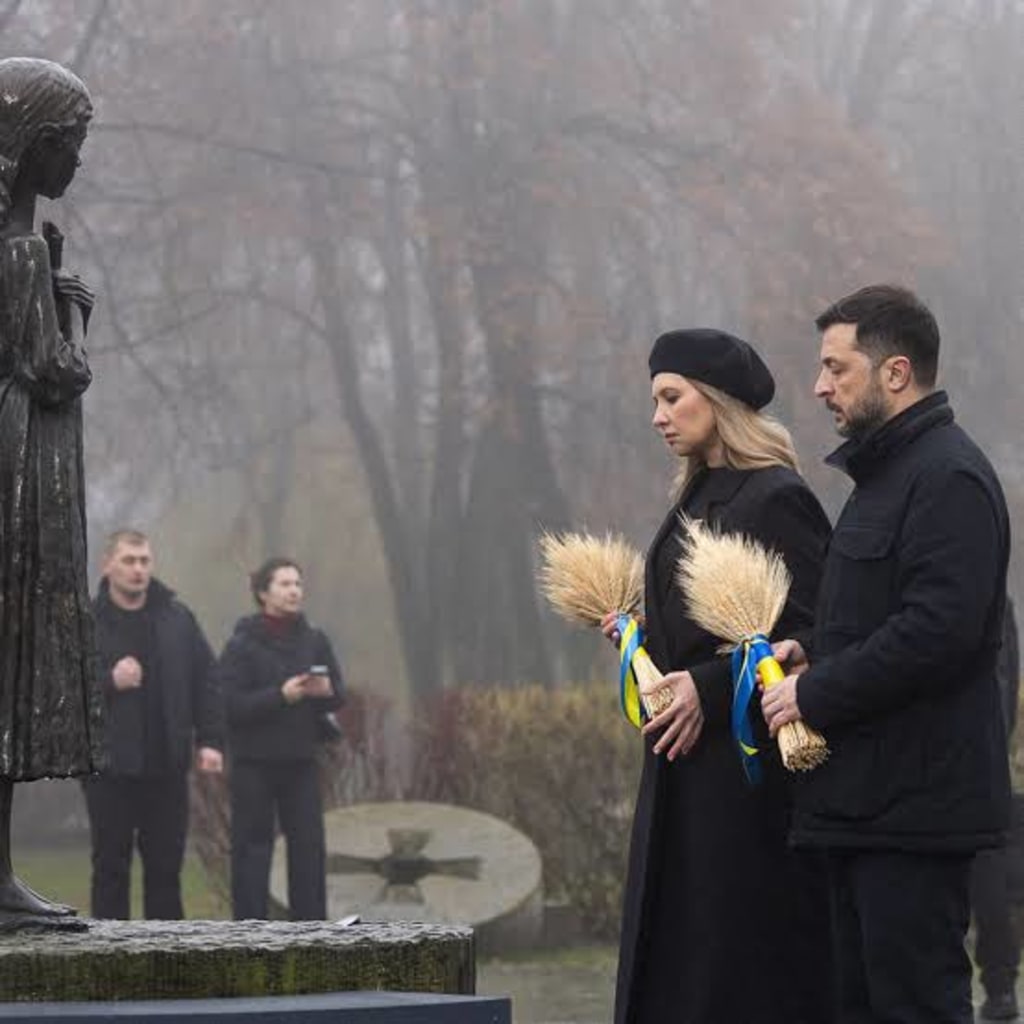
As world leaders prepare for the highly anticipated Geneva Summit, former U.S. President Donald Trump has once again captured global attention. His recent statement that the Ukraine peace deal is “not a final offer” has stirred political debate, raised questions about negotiation strategies, and added a new layer of uncertainty to an already tense international landscape.
At a time when Ukraine continues to defend itself against Russian aggression, and diplomatic efforts are at a critical stage, Trump’s comments have sparked reactions from supporters, critics, and foreign policy experts alike. For many, the message signals that new conditions or demands may emerge in future discussions. For others, it is a sign of flexible negotiation—not weakness, but strategic positioning.
A Deal That’s Still Open: What Trump Really Meant
Trump’s remark came as diplomats and global officials gathered ahead of the Geneva Summit—a meeting expected to focus on international security, economic stability, and strategies for ending the war in Ukraine.
According to Trump, the proposal often discussed in media reports is “just a starting point” and should not be considered final. He suggested that better terms for both Ukraine and the United States are possible and hinted that future negotiations may be shaped by “changing conditions on the ground.”
This kind of language is familiar from Trump’s earlier presidency, where he frequently used fluid, open-ended statements as bargaining tools. The intention, as political analysts note, is often to keep pressure on counterparts and avoid locking himself into a fixed position until the last moment.
However, this approach also brings uncertainty—especially in a conflict as serious as the Ukraine war.
Why Trump’s Position Matters Right Now
The Geneva Summit is taking place at a crucial moment. Ukraine continues to fight back against Russian forces, but the war has strained its economy, displaced millions, and created a long list of reconstruction needs. At the same time, Western nations, especially the U.S., are evaluating long-term financial and military support.
Trump’s influence—whether in office or not—remains powerful. His views shape political debate in the U.S. and affect how foreign governments prepare their negotiation strategies. When he says the Ukraine deal isn’t final, it sends a message that future U.S. support and terms may shift depending on political changes in Washington.
For Ukraine, that message brings hope and caution at the same time. A future deal may offer stronger guarantees, clearer peace terms, or increased pressure on Russia. But it could also mean tougher expectations for Kyiv, including concessions or new requirements not yet publicly discussed.
Reactions From Global Leaders
Unsurprisingly, Trump’s comments drew mixed reactions from leaders attending the Geneva Summit. European officials expressed concern that shifting U.S. positions could delay progress, especially as they push for unified Western support. Ukraine, meanwhile, welcomed any signal of renewed pressure on Russia but emphasized that territorial integrity and sovereignty are non-negotiable.
Russian analysts, on the other hand, interpreted Trump’s words as an invitation for Moscow to keep its own options open. They noted that uncertainty in U.S. diplomacy could offer Russia time to strengthen its military position or widen geopolitical influence.
The Bigger Picture: What This Means for the Geneva Summit
The Geneva Summit is expected to focus on:
Strengthening international support for Ukraine
Improving coordination between Western allies
Developing long-term reconstruction plans
Discussing global security risks connected to Russia’s war
Trump’s statement adds pressure to these discussions. It prompts leaders to consider not only present policies but future ones—especially if the U.S. political landscape changes.
Diplomats attending the summit now have to prepare for multiple scenarios. They must consider both short-term solutions and long-term commitments that go beyond the current political moment.
The Risks and Opportunities Ahead
Declaring a deal “not final” can create opportunities. It allows room for improvement, adds negotiation flexibility, and sends a message that stronger terms may be possible. For Ukraine, it may mean:
A potentially more favorable peace plan
Increased international pressure on Russia
Additional financial or military support
But it also introduces risks:
New conditions that are difficult for Ukraine to accept
Slower diplomatic progress
Greater uncertainty for European allies
Potential misunderstandings between negotiating parties
As the Geneva Summit continues, the challenge for diplomats will be finding common ground despite these shifting signals.
Conclusion: A Moment of Global Importance
Trump’s comment that the Ukraine deal is not a “final offer” is more than a political soundbite—it is a statement that influences diplomatic strategy, global alliances, and the future of the Ukraine conflict. As world leaders gather in Geneva, the international community will be watching closely to see whether this flexibility leads to meaningful progress or deeper uncertainty.
One thing is clear: the road to peace in Ukraine remains long, complex, and deeply influenced by global political dynamics. The coming days in Geneva may shape not only Ukraine’s future but the future of international diplomacy itself.
About the Creator
Fiaz Ahmed Brohi
I am a passionate writer with a love for exploring and creating content on trending topics. Always curious, always sharing stories that engage and inspire.
Keep reading
More stories from Fiaz Ahmed Brohi and writers in The Swamp and other communities.
The Phone Notes That Reveal an Alleged Plan to Bait Kim Jong Un With Drones
In an era where international tensions can escalate with a single misstep, the discovery of a set of phone notes outlining an alleged plan to “bait” North Korean leader Kim Jong Un with drones has generated shockwaves far beyond the Korean Peninsula. What began as a routine investigation reportedly turned into a geopolitical alarm bell—one that raises serious questions about covert strategy, political ethics, and the risks of miscalculation in one of the world’s most volatile regions.
By Fiaz Ahmed Brohi2 months ago in The Swamp
Iran Foreign Minister Claims Protest Unrest Has ‘Come Under Total Control’
Iran’s foreign minister has claimed that the wave of protests that swept across the country has now “come under total control,” signaling what authorities describe as a return to stability after weeks of unrest. The statement, made during a public appearance and echoed by state media, comes amid continued skepticism from activists and human rights groups who say tensions remain high despite a visible reduction in street demonstrations.
By Aarif Lashari7 days ago in The Swamp


Comments
There are no comments for this story
Be the first to respond and start the conversation.