
Trump Says Government Will ‘De‑escalate’ in Minnesota After Pretti Shooting
In response to intense backlash over federal agents’ actions, President Trump signals a shift in tone and plans changes to immigration operations in Minneapolis

President Donald Trump has announced that his government will “de‑escalate a little bit” in Minneapolis following widespread criticism and public outcry after the fatal shooting of 37‑year‑old ICU nurse Alex Pretti by federal immigration enforcement officers. The remarks reflect a significant shift in messaging from the White House as tensions simmer between federal authorities, state leaders, local residents, and civil liberties advocates over immigration enforcement tactics in Minnesota.
The Context: Minneapolis Controversy and Federal Response
The controversy began earlier this month when federal immigration agents, part of a broader enforcement operation in the Twin Cities area, fatally shot Alex Pretti — an American citizen — in Minneapolis. Video evidence and eyewitness accounts challenged initial government claims about the incident, showing that Pretti was reportedly disarmed and holding a phone when he was shot.
The tragedy, coming just weeks after another fatal shooting of Renee Good by federal agents, prompted mass protests, bipartisan political condemnation, and urgent calls from local leaders for a reduction in the federal law enforcement presence. Minnesota Governor Tim Walz and Minneapolis Mayor Jacob Frey both publicly urged the Trump administration to withdraw agents and pursue a transparent investigation.
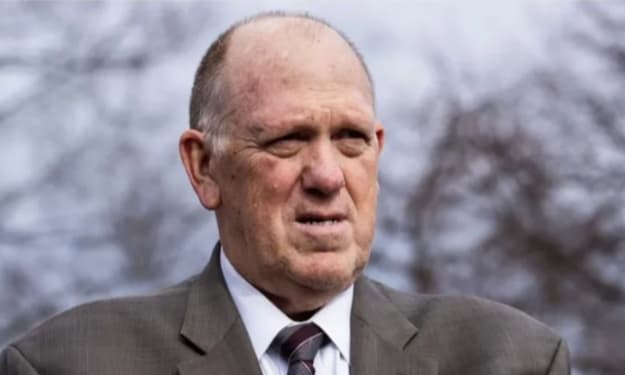
In an effort to manage the backlash, Trump sent Tom Homan, a former Immigration and Customs Enforcement (ICE) director, to Minneapolis to oversee federal operations and “work cooperatively” with state and local officials. Trump said in a television interview that the White House would adjust its approach toward enforcement in the city, describing the change as a form of de‑escalation rather than a full retreat.
South China Morning Post
Trump’s Shift in Language
In interviews, Trump indicated that he plans to reduce the intensity of federal action in Minnesota, replacing hard‑line Border Patrol commander Gregory Bovino — whose aggressive public posture had drawn sharp criticism — with Homan, whom Trump described as better suited to work with governors and mayors.
South China Morning Post
“We’re going to de‑escalate a little bit,” Trump told reporters, noting that the adjustment is not a complete pullback of enforcement but a tonal and operational shift designed to reduce friction with local authorities.
South China Morning Post
While Trump reaffirmed support for enforcement efforts aimed at deporting violent criminals, he also emphasized the need for an “honorable and honest investigation” into the Pretti shooting. In some remarks, he distanced himself from earlier characterization by senior aides that Pretti was an “assassin,” describing the situation as “very unfortunate” and criticizing Pretti for carrying a firearm, even though it was legally permitted.
Political and Public Backlash
The public reaction to the federal shootings and Trump’s enforcement strategy has been intense. Civil liberties advocates and immigrant rights groups have condemned the killings, calling for accountability and an overhaul of aggressive immigration tactics. Former President Barack Obama and other prominent figures criticized the administration for what they saw as escalatory rhetoric and tactics that risked further violence and mistrust.
Local officials in Minnesota have been equally forceful in their response. Gov. Walz activated the state National Guard and demanded independent investigations into the shootings, asserting that federal agents escalated the situation and undermined public safety.
Democratic and Republican lawmakers alike have weighed in. Some Republican leaders have urged an investigation into Pretti’s death, while Democrats demanded changes to Homeland Security leadership and greater protections for civil liberties. A federal judge even blocked the Department of Homeland Security (DHS) from destroying or altering evidence related to the incident.
Federal Strategy and Immigration Enforcement
Trump’s de‑escalation message comes amid broader debates about federal involvement in local law enforcement and immigration enforcement policy. National immigration operations have been a hallmark of Trump’s presidential agenda, and the Twin Cities deployment was part of intensified efforts to target undocumented immigrants and criminal elements. Yet critics argue that such campaigns can erode community trust, especially when they result in the deaths of civilians.
The administration maintained that many people arrested during the operation were hardened criminals, a claim Trump reiterated even as he sought to soften rhetoric in public comments.
The Star
Despite his de‑escalation comments, Trump also emphasized the need to protect communities from violent crime and reiterated support for strong immigration enforcement — a balancing act that reflects mounting pressure from multiple directions.
Impact on Minneapolis and Beyond
Local residents and community leaders in Minneapolis have expressed mixed reactions. Some welcome a reduction in federal force presence, hoping it could ease tensions and open space for peaceful protest and dialogue. Others remain skeptical of federal intentions, pointing to previous statements and the continued presence of immigration agents.
Civil rights organizations and business leaders alike have called for meaningful institutional change, urging lawmakers to address underlying issues in both immigration enforcement practices and government accountability.
The situation has also raised broader questions about civil liberties, the liability of federal law enforcement officers, and the balance between public safety and constitutional rights. Legal experts and advocacy groups continue to push for transparent investigations and clearer standards governing when and how federal agents engage the public.
Looking Ahead
As Minnesota continues to grapple with the fallout from the Pretti shooting, Trump’s declaration of de‑escalation represents a notable pivot in federal messaging — but its long‑term impact remains uncertain. With protests ongoing, political pressure mounting, and legal inquiries advancing, the events in Minneapolis are likely to remain a focal point of national debate over immigration enforcement, federal power, and civil rights.
Whether the government’s adjusted strategy will ease tensions or simply recalibrate them in a new direction is yet to be seen. But what is clear is that the Pretti shooting has ignited a complex and emotionally charged discussion with far‑reaching implications for American governance and community trust.
About the Creator
Keep reading
More stories from Ayesha Lashari and writers in The Swamp and other communities.
Who Is Tom Homan, Trump’s ‘Border Tsar’ Deployed to Minneapolis?
Tom Homan, the former acting director of U.S. Immigration and Customs Enforcement (ICE) under the Trump administration, has been deployed to Minneapolis in what officials describe as a federal support mission. Homan, often referred to as Trump’s “border tsar,” is known for his hardline stance on immigration enforcement, and his presence in Minnesota has drawn significant attention and sparked debate among local leaders, activists, and federal officials.
By Ayesha Lasharia day ago in The Swamp
Tearful Goodbyes as Japan Returns Pandas to China Amid Worsening Ties
On a chilly January morning at Ueno Zoological Gardens in Tokyo, crowds gathered for a bittersweet occasion. Xiao Xiao and Lei Lei, the beloved giant pandas who had captured the hearts of Japanese citizens since their birth in 2021, were about to leave Japan and return to their native China. The air was heavy with emotion as visitors, many of whom had grown up visiting these iconic black-and-white bears, lined up for hours just to say their final goodbyes.
By Aqib Hussain3 days ago in The Swamp



Comments
There are no comments for this story
Be the first to respond and start the conversation.