
Trump, Qatar, and the $400M Jet: Crossing the Line of U.S. Law?
A closer look at how Qatar’s extravagant offer to Trump is raising legal, political, and ethical concerns in Washington.

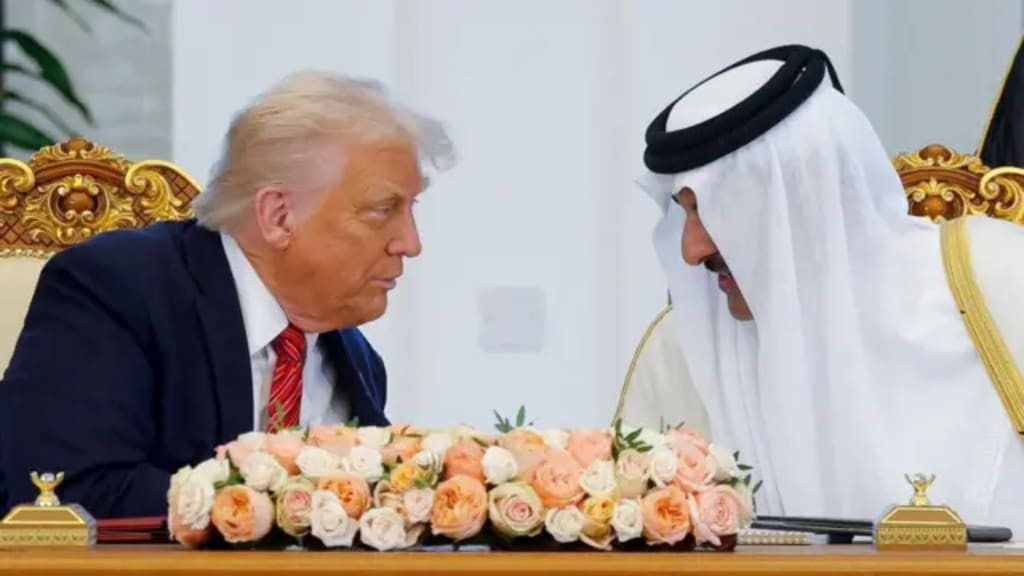
Qatar, Trump, and the $400 Million Jet: A Gift Challenging the U.S. Constitution
In recent weeks, news about Qatar’s offer to donate a luxurious Boeing 747-8 jet to former U.S. President Donald Trump has gained widespread attention in international media. Valued at over $400 million, this aircraft has become the center of legal, political, and security concerns.
Behind the Lavish Gift
Reports from credible sources such as Associated Press and Reuters reveal that the aircraft was purchased by the Qatari government some time ago and has recently been proposed to be handed over to Trump. Trump has referred to it as a potential replacement for his personal plane or even as a future “Air Force One.”
However, this move has faced serious pushback from U.S. lawmakers. Senator Chuck Schumer, the Senate Majority Leader, citing the Emoluments Clause of the U.S. Constitution, has blocked the confirmation of some Department of Justice nominees until the issue of Qatar’s gift is clarified.
Where Does the UAE Stand?
Interestingly, while Qatar has strengthened its ties with Trump through such a gift, the United Arab Emirates (UAE) has yet to make a similar gesture. Despite signing significant economic and defense agreements in recent meetings between Trump and UAE officials, there has been no news of a personal or lavish gift like Qatar’s offer.
Some analysts attribute this difference in approach to the divergent strategies of the two countries. Qatar appears to seek a more active role in public diplomacy and gaining favor with key American figures, whereas the UAE focuses more on infrastructural investments and classical diplomacy.
Legal and Ethical Concerns
Receiving gifts from foreign governments is a highly sensitive issue in the U.S., especially for individuals who might return to power. According to the U.S. Constitution, no government official—current or potential—may accept gifts from foreign states without Congressional approval.
Although Trump currently holds no official position, the possibility of his 2024 candidacy raises potential legal and political challenges related to such a gift.
Historical Background of Lavish Gifts in U.S. Politics
The practice of giving large and luxurious gifts to U.S. presidents is not new. Over past decades, foreign governments have occasionally presented statues, artworks, and even properties to American officials, which have always undergone strict scrutiny.
However, a gift on the scale of the Boeing jet offered by Qatar is unprecedented and could set a new precedent in the history of gifts to U.S. political leaders.
Potential Impact on the 2024 Election
As the 2024 U.S. presidential election approaches, every move related to Trump is under intense media and political scrutiny. Accepting or rejecting such a gift could significantly affect his popularity and credibility.
If Trump accepts the gift, his critics may use this to question his political independence. Conversely, rejecting the gift could be seen as respecting the law and democratic principles.
Expert Analysis of Qatar and UAE’s Relations with the U.S.
Foreign policy experts believe Qatar’s approach to Trump exemplifies smart use of gift diplomacy to increase influence in Washington. Through this move, Qatar aims to strengthen its position in Middle Eastern affairs.
In contrast, the UAE has adopted a more cautious and long-term approach in its relations with the U.S. by investing in major economic projects and signing strategic agreements. This tactical difference between the two countries highlights the complexity of regional politics.
⸻
Closing Note:
This article was compiled based on reports from reputable international sources, including Associated Press, Reuters, and The Times UK. The aim of this analysis is to explore the legal, political, and diplomatic dimensions of a rare event in the context of Middle East–U.S. relations.
Your thoughts and feedback are highly valued and can contribute greatly to the quality of future content.
If you found this article insightful, feel free to share it or leave a comment below. I’d love to hear your perspective.
About the Creator
Ani
Hi, I’m Ani — I write about real-life experiences, career development, and adapting to life abroad. My goal is to share insights that help others grow, adapt, and thrive—wherever they are.
Iran Protests Live Updates: Death Toll Passes 2,500 as Trump Warns Tehran Against Executions
Iran is facing one of the deadliest periods of unrest in its modern history as ongoing protests continue to grip cities across the country. According to reports from human rights organizations and activist networks, the death toll linked to the protests has now passed 2,500, underscoring the scale and severity of the crackdown by Iranian security forces. As the situation escalates, former U.S. President Donald Trump has issued a warning to Tehran, urging authorities to halt executions and calling for international attention to the crisis.
By Aarif Lashari6 days ago in The Swamp




Comments
There are no comments for this story
Be the first to respond and start the conversation.