
Trump Protests: A Nation Divided by Politics and Public Outcry
From courtroom steps to city streets, Americans voice their opinions on Donald Trump’s political future

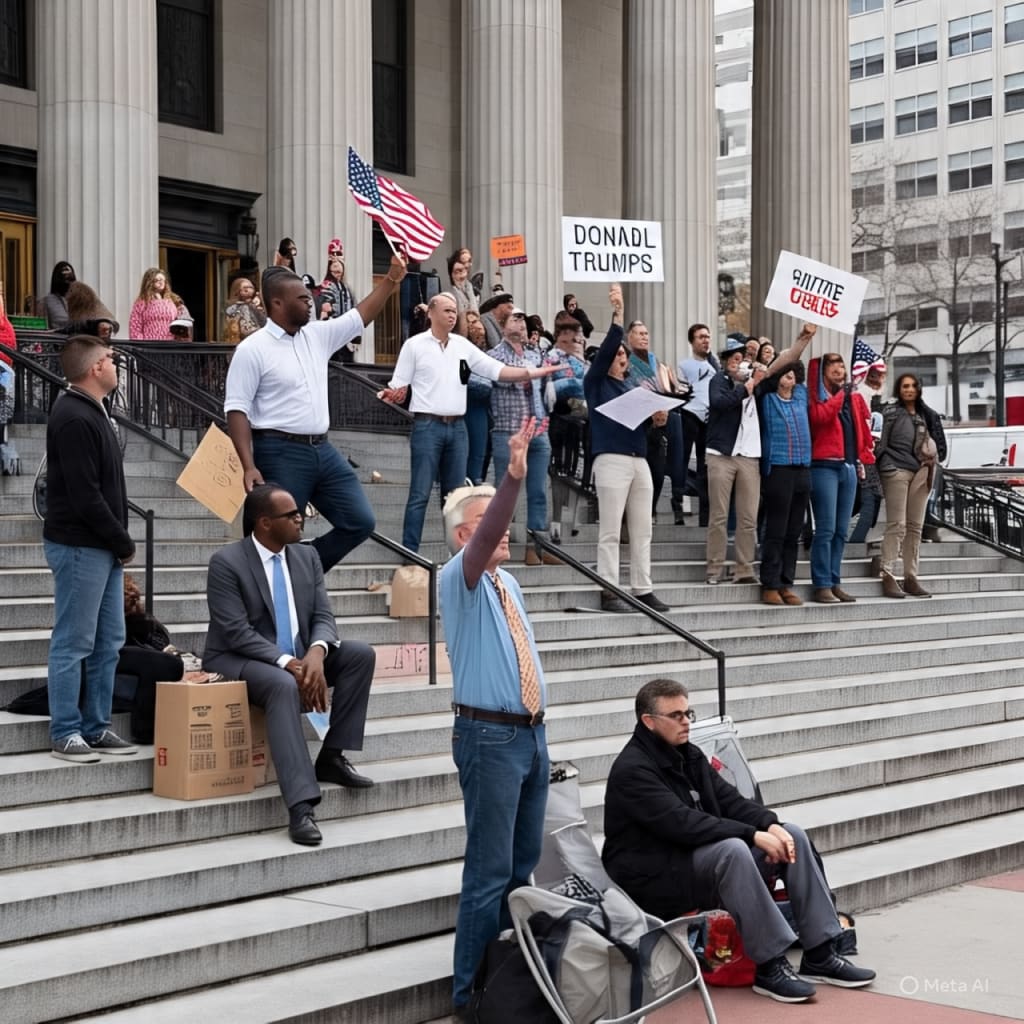
🇺🇸 Trump Protests: A Nation Divided by Politics and Public Outcry
In the United States, political protests are nothing new. But few political figures have sparked as many public demonstrations, both in support and in opposition, as Donald J. Trump, the 45th President of the United States. Since entering the political scene in 2015, Trump has remained at the center of controversy, debate, and political division. Today, Trump protests continue to shape the national conversation, especially as he faces legal challenges and prepares for another presidential run.
This article explores the causes behind Trump-related protests, the impact they have on American society, and what they tell us about the current state of democracy in the U.S.
The Roots of Trump Protests
Protests involving Donald Trump began during his 2016 presidential campaign. His strong rhetoric on immigration, race, the media, and political opponents led to nationwide demonstrations. Some Americans supported his message, seeing him as a disruptor of traditional politics. Others feared his rise would threaten civil rights, press freedom, and democratic institutions.
When Trump won the presidency in 2016, protests erupted across the country, with thousands marching under slogans like “Not My President” and “Resist.” These protests continued throughout his term, especially after major events like:
The Muslim travel ban
The Charlottesville rally in 2017
Family separation policies at the U.S.-Mexico border
Impeachment hearings
The handling of the COVID-19 pandemic
Protests Over Legal Troubles
As of 2024–2025, Donald Trump is facing multiple indictments and legal battles, including charges related to:
Election interference in Georgia
Handling of classified documents
The January 6th Capitol riot investigation
These legal proceedings have become major flashpoints for protest. Supporters see the trials as politically motivated and an attack on democracy. Opponents view them as a necessary step to uphold the rule of law.
Pro-Trump rallies often take place outside courthouses and campaign events, with participants waving flags and wearing “Make America Great Again” merchandise. In contrast, anti-Trump protests call for accountability and emphasize the need to protect American institutions from political abuse.
Protesters Speak: Voices from Both Sides
One of the most striking aspects of Trump-related protests is the diversity of voices involved. At any given protest, you may find:
Longtime conservatives defending Trump as a victim of a broken system
Young activists urging voters to reject what they call “Trumpism”
Independent voters frustrated by political division
Immigrant families sharing stories of fear and hope
These protests show how deeply polarized the American public has become. While some argue that Trump represents a return to patriotic values, others believe he threatens democracy, civil rights, and truth itself.
Media and Social Media’s Role
Coverage of Trump protests—whether on television or social media—has fueled public opinion. Videos of violent clashes or passionate speeches quickly go viral. Platforms like X (formerly Twitter), Instagram, and TikTok play major roles in organizing rallies and spreading messages.
However, social media also spreads misinformation, which can increase tension and confusion among the public. Both sides accuse each other of bias, which adds to the ongoing trust gap between citizens and institutions.
Peaceful vs. Violent Protests
While most Trump-related protests are peaceful, some have turned chaotic. The most notable example was the January 6, 2021 attack on the U.S. Capitol, where a mob stormed Congress in an attempt to overturn the 2020 election results. This event deeply shocked the nation and led to arrests, investigations, and another impeachment of Trump.
In contrast, peaceful protests such as candlelight vigils, student walkouts, and marches have also gained attention for their civility and powerful messaging.
🇺🇸 What It Means for Democracy
Whether you support or oppose Trump, one thing is clear: the protests reflect a deep national divide. In a healthy democracy, peaceful protest is a right. But when disagreements turn into violence or fear, it raises questions about the strength of the democratic system.
America now faces a difficult road ahead. With another presidential election approaching and legal trials ongoing, Trump will remain a central figure. How the nation responds—with protest, debate, or silence—will say a lot about the future of U.S. politics.
Conclusion
Trump protests are more than political events—they are expressions of a nation's values, fears, and hopes. They represent a divided country trying to understand what leadership, justice, and truth mean in today’s world. As the legal system moves forward and the 2024 election draws near, Americans must decide not only who they want to lead them—but what kind of democracy they want to protect.
About the Creator
Saad
I’m Saad. I’m a passionate writer who loves exploring trending news topics, sharing insights, and keeping readers updated on what’s happening around the world.



Comments
There are no comments for this story
Be the first to respond and start the conversation.