
Trump orders strikes on yemen
Trump orders strikes on Iran-backed Houthi rebels in Yemen and issues new warning

Yemen, a country located at the southern tip of the Arabian Peninsula, has been trapped in a devastating conflict for nearly a decade. The war has caused unimaginable suffering for its people, with millions facing hunger, disease, and displacement. In recent years, international involvement—including military actions by global powers—has added fuel to the fire. This article breaks down the latest developments in Yemen, focusing on large-scale airstrikes launched by the Trump administration, their human cost, and what this means for the future of the region.
What’s Happening in Yemen? A Quick Background
Yemen’s conflict began in 2014 when Houthi rebels, a group from the northern part of the country, took control of the capital city, Sanaa. This led to a military intervention by Saudi Arabia and its allies in 2015, aiming to restore Yemen’s internationally recognized government. Since then, the war has turned into a proxy battle between regional powers. Saudi Arabia (backed by the U.S. and others) supports the government, while Iran is accused of arming the Houthis.
The war has destroyed Yemen’s infrastructure, economy, and healthcare system. Over 20 million people rely on aid to survive, and outbreaks of cholera and famine have become common. Despite occasional peace talks, fighting continues—and foreign airstrikes remain a major driver of civilian casualties.
Recent Airstrikes: Trump’s Large-Scale Attack on Houthis
In March 2025, former U.S. President Donald Trump authorized a series of massive airstrikes targeting Houthi positions in Yemen. According to reports, these strikes were a response to Houthi attacks on commercial ships in the Red Sea, which disrupted global trade routes. Over 30 airstrikes hit military sites, weapon storage facilities, and radar systems across Houthi-controlled areas.
Key Details of the Attack
Casualties: At least 31 people were killed, including fighters and civilians.
- Targets: The strikes focused on Houthi weapon depots and communication centers.
- International Reaction: The U.S. defended the action as “necessary to protect global shipping,” while critics called it an escalation that risks more civilian harm.
The Trump administration argued that the Houthis’ growing aggression—like targeting ships with drones and missiles—left no choice but to act. However, humanitarian groups quickly raised alarms about the strikes’ impact on ordinary Yemenis already struggling to survive.
Why Civilians Are Paying the Price
In wars, civilians often suffer the most—and Yemen is no exception. The recent airstrikes hit areas near homes, markets, and farms. Even if the goal is to destroy military targets, mistakes happen. Bombs can miss their mark, or families might live too close to Houthi facilities.
A Local’s Perspective
Imagine living in a village where explosions suddenly shake your home at night. You run outside, only to find your neighbor’s house destroyed. This is the reality for thousands of Yemenis. One survivor from the March 2025 strikes told reporters, “We have nowhere safe to go. The world forgets us.”
Children are especially vulnerable. UNICEF reports that 10,000 kids have been killed or injured since the war began. Many more are malnourished or out of school.
Yemen’s Geopolitical Importance: Why Global Powers Are Involved
Yemen might seem like a small country, but its location makes it strategically vital. It sits along the Bab el-Mandeb Strait, a narrow waterway connecting the Red Sea to the Indian Ocean. Nearly 10% of the world’s oil trade passes through this route.
Why the U.S. and Others Care:
Protecting Trade: Attacks on ships threaten the global economy.
- Countering Iran: The U.S. and Saudi Arabia accuse Iran of using the Houthis to spread influence in the region.
- Regional Stability: Chaos in Yemen could spill into neighboring countries like Saudi Arabia.
However, military solutions haven’t worked. The Houthis still control large parts of Yemen, and airstrikes often strengthen their resolve to fight.
The Humanitarian Crisis: A War Within a War
Even before the latest airstrikes, Yemen was the world’s worst humanitarian disaster. Let’s look at the numbers:
- 24 million people need aid.
- 4 million are displaced.
- 17 million face food insecurity.
Disease and hunger kill more Yemenis than bombs. Hospitals lack supplies, and aid groups struggle to reach remote areas due to blockades and fighting. The U.N. warns that without urgent funding, things will get worse.
International Reactions: Who’s Speaking Up?
The world is divided over Yemen. After Trump’s strikes, reactions were mixed:
- Supporters: The U.S., U.K., and Saudi Arabia called the strikes “a justified defense.”
- Critics: The U.N., European Union, and human rights groups demanded accountability for civilian deaths.
Russia and China accused the U.S. of worsening the conflict. Meanwhile, Yemenis themselves feel trapped. Activist Tawakkol Karman, a Nobel Peace Prize winner, said, “Our people are tired of being pawns in someone else’s war.”
Is Peace Possible? Pathways to Ending the Conflict
Ending Yemen’s war won’t be easy, but there are steps that could help:
1. Ceasefire Agreements: Past truces have reduced violence temporarily. Renewed talks could build trust.
2. Humanitarian Access: Allow aid groups to deliver food and medicine without restrictions.
3. Regional Diplomacy: Saudi Arabia and Iran must reduce tensions to ease proxy wars.
4. Accountability: Investigate war crimes to deter attacks on civilians.
The U.S. and other powers could also shift focus from military action to funding aid and peace efforts.
What Can Ordinary People Do?
You might feel powerless, but awareness matters. Here’s how to help:
- Donate: Trusted groups like the Yemen Relief Fund or Save the Children provide direct aid.
- Advocate: Pressure leaders to prioritize diplomacy over bombs.
- Share Stories: Social media can amplify Yemenis’ voices.
Conclusion: Yemen’s Cry for Help
Yemen’s war is a complex web of local grievances and global politics. While airstrikes like those ordered by Trump make headlines, the real story is the millions of ordinary people fighting to survive. Every bomb dropped deepens their misery.
The world cannot afford to look away. Whether through aid, diplomacy, or simply spreading the word, we must act before Yemen loses another generation to war.
About the Creator
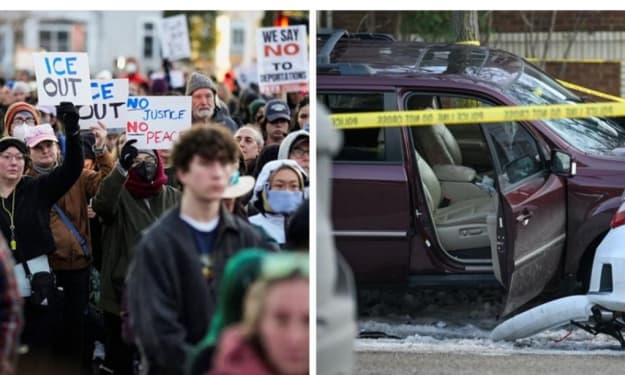
Protests Held in Minneapolis After Woman Shot Dead by US Immigration Agent
Protests erupted across Minneapolis after a woman was shot and killed during an encounter with a US immigration enforcement agent, sparking renewed national debate over the use of force, accountability, and immigration policing. Demonstrators gathered near the site of the shooting and outside government buildings, demanding answers, justice, and systemic reform.
By Aarif Lashari5 days ago in The Swamp


Comments
There are no comments for this story
Be the first to respond and start the conversation.