
Bapco Declares Force Majeure as Iran Sets Bahrain’s Only Refinery Ablaze
The Middle East conflict reaches Bahrain’s energy infrastructure, threatening exports, markets, and regional stability.
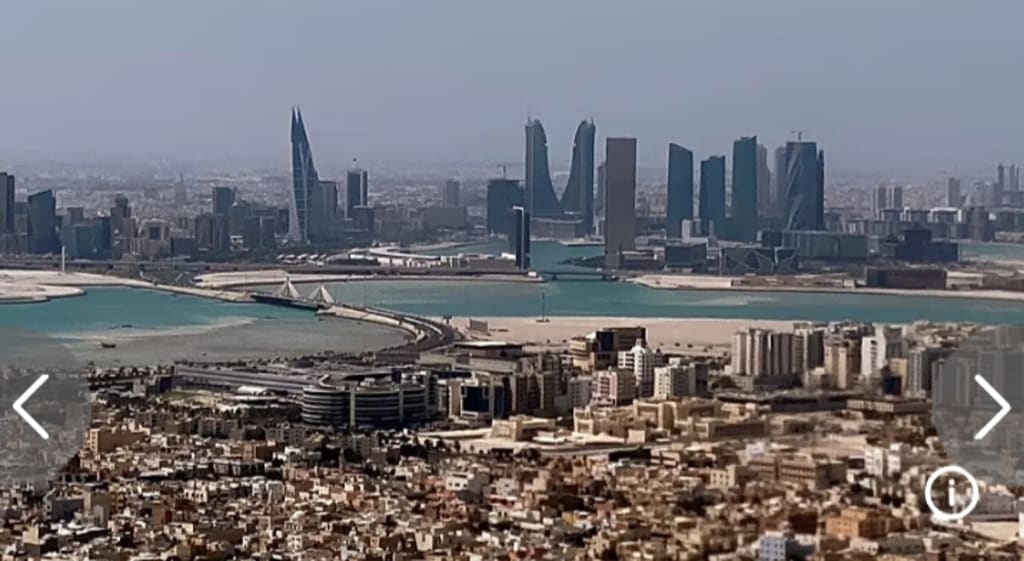
The ongoing Middle East crisis has escalated dramatically with an attack attributed to Iran on Bahrain’s Bapco, setting its only refinery ablaze. In response, Bapco has declared a force majeure on its operations, signaling that contractual obligations may be temporarily suspended due to circumstances beyond its control. This incident underscores the widening regional conflict and highlights the vulnerability of critical energy infrastructure in the Gulf.
The Attack on Al‑Ma’ameer Refinery
On March 9, the Al‑Ma’ameer refinery — Bahrain’s sole oil processing facility — was struck in a coordinated assault, igniting a large fire. Social media footage showed towering plumes of smoke as firefighting teams worked to contain the blaze.
While initial reports indicated no fatalities, the industrial damage was significant. Bapco confirmed that several processing units were affected, impacting its capacity to refine and export crude oil. The refinery had been recently upgraded to handle approximately 380,000 barrels per day, making it a key player in Bahrain’s domestic energy supply and export strategy.
What Force Majeure Means
By invoking force majeure, Bapco legally suspends certain contractual obligations, particularly oil delivery commitments, due to uncontrollable events. The company emphasized that while exports may be affected, domestic energy supply would remain secure through contingency plans.
The declaration also has ripple effects across the region. Similar measures have been taken by energy operators in Qatar and Kuwait following strikes on infrastructure, highlighting the economic vulnerabilities created by the ongoing conflict.
Regional Conflict Expands
The attack is part of a broader escalation stemming from the ongoing Iran war, which began after a U.S.–Israeli strike targeted Iranian territory. Since then, Iran has deployed ballistic missiles, drones, and other weapons against military, civilian, and energy targets across the Gulf.
Bahrain’s strategic location, including hosting the U.S. Fifth Fleet, has made it a focal point of regional tension. Iranian attacks have also targeted water infrastructure and other critical facilities, increasing the sense of urgency among Gulf states to enhance security measures.
Market and Economic Impacts
Global energy markets reacted immediately to the refinery strike. Brent crude prices surged above $114 per barrel, reflecting fears of supply disruptions in a region responsible for a substantial portion of the world’s oil exports.
The Strait of Hormuz, through which a large volume of global oil passes, remains a potential flashpoint. Any disruptions there could amplify price volatility and trigger ripple effects across global economies.
Bapco’s force majeure not only affects oil shipments but also impacts contracts, forcing buyers to seek alternative supplies or contend with delays. With energy markets already on edge, the attack underscores the economic stakes of the conflict.
Balancing Domestic Supply and Exports
Bapco stressed that Bahrain’s internal energy needs would continue to be met despite operational setbacks. Ensuring uninterrupted domestic supply is crucial in a country that relies on the Al‑Ma’ameer refinery for both electricity generation and fuel for transport and industry.
However, export markets are likely to face short-term uncertainty. Force majeure declarations typically halt or delay deliveries, and buyers in Asia, Europe, and elsewhere may need to secure alternative sources to maintain supply chains.
Diplomatic and Political Fallout
Bahrain’s government has condemned the attacks, with Saudi Arabia and other Gulf states expressing solidarity. Iranian strikes on civilian and industrial infrastructure have heightened tensions throughout the region, prompting calls for stronger defenses and coordinated security responses among Gulf Cooperation Council countries.
The attack also complicates diplomatic efforts to de-escalate the broader conflict. While some regional actors advocate for negotiation and restraint, the direct targeting of energy infrastructure introduces new pressures on governments to respond decisively.
Human and Social Impact
Beyond the economic and political dimensions, the strike has had human repercussions. While no fatalities were reported, Iranian drone attacks in Bahrain have injured civilians and disrupted essential services, including water supply through desalination plants.
The incident illustrates how modern warfare increasingly affects civilian infrastructure and daily life, raising concerns about broader humanitarian consequences if the conflict continues.
Looking Ahead
The Al‑Ma’ameer refinery attack and Bapco’s force majeure highlight the fragility of Gulf energy infrastructure amid escalating regional conflict. Markets will likely remain volatile as traders weigh the risks of additional attacks or supply disruptions.
Regional governments are under pressure to strengthen protection for critical infrastructure while coordinating diplomatic efforts to prevent further escalation. The coming weeks may determine whether Bahrain and neighboring states can maintain stability or face more extensive economic and humanitarian consequences.
Conclusion
Bapco’s force majeure declaration after the Iranian attack on Bahrain’s only refinery underscores the deepening impact of the Middle East conflict on global energy security. With oil markets, regional politics, and civilian safety all intertwined, the incident is a stark reminder of how geopolitical tensions can disrupt both economies and everyday life.
As the situation evolves, Bahrain’s experience may serve as a cautionary tale for other Gulf states, emphasizing the urgent need for robust security, regional cooperation, and strategic contingency planning to mitigate the risks posed by an increasingly volatile region.
About the Creator
Parallel Protests
I haven't written for quite some time, but I have A LOT of thoughts about yesterday's protest rally against our government's involvement and complicity in America's war on Iran, on the harbourside of my home city Bristol, and I need to put them somewhere. My gorgeous girlfriend is always a loving and listening ear and sharing it all with her will always be a healthy and happy way of processing the mental and emotional weight, but getting it straight in my brain to share means writing it all down in straight lines, so, here we are and thanks for being here.
By Steph Cole7 days ago in The Swamp
King Praises Commonwealth at Biggest Royal Gathering Since Andrew Arrest
King Charles III addressed thousands of delegates and dignitaries from across the Commonwealth at what has been described as the largest royal gathering since the legal and public controversies surrounding Prince Andrew, Duke of York. The event, held at Buckingham Palace and broadcast across multiple member nations, was framed as a celebration of shared history, collaboration, and the ongoing relevance of the Commonwealth in a rapidly changing global landscape. The gathering brought together leaders, diplomats, and representatives from all 56 member states, including nations from Africa, the Caribbean, Asia, and the Pacific. In his speech, King Charles emphasized that the Commonwealth’s enduring value lies in the promotion of human rights, economic cooperation, and environmental stewardship. “Our strength is not in the power of any one nation, but in our shared commitment to service, mutual respect, and collaboration,” he said. The timing of the event carried symbolic weight. It comes nearly a year after Prince Andrew faced intense public scrutiny following allegations and legal challenges tied to his conduct. Though King Charles’s speech did not explicitly reference his brother’s controversies, observers noted that the tone of unity and moral responsibility implicitly acknowledged the need for integrity within the royal family. King Charles also highlighted the Commonwealth’s role in addressing global crises. He praised efforts to combat climate change, particularly initiatives led by island nations and developing countries that are most vulnerable to rising sea levels and environmental degradation. “The Commonwealth can lead by example, showing that sustainable practices and economic growth are not mutually exclusive,” he stated, adding that innovation and collaboration across member nations are critical to the success of these efforts. Several heads of government were present, including the prime ministers of Australia, Canada, and Jamaica, as well as key representatives from India, South Africa, and Nigeria. Delegates emphasized that the Commonwealth continues to provide a forum for dialogue on economic development, public health, and education. During bilateral meetings before and after the main ceremony, leaders discussed partnerships on technology transfer, trade, and health infrastructure, particularly in the context of the ongoing recovery from global pandemic challenges. The event also highlighted the monarchy’s cultural and ceremonial role. A ceremonial procession included representatives of various Commonwealth armed forces, traditional dancers from the Caribbean, and musicians from Africa and the Pacific. King Charles personally greeted attendees and took part in the traditional flag ceremony, during which the flags of all member states were displayed across the palace grounds. The spectacle was widely covered by international media, emphasizing both the ceremonial grandeur of the monarchy and the diversity of the Commonwealth community. Public reaction to the gathering has been mixed. Supporters praised the King for focusing on shared values and global cooperation, noting that the speech reinforced the relevance of the Commonwealth as an institution. Critics, however, questioned the monarchy’s continued prominence in international affairs, especially in light of Prince Andrew’s controversies and ongoing debates over the monarchy’s role in modern Britain. Some commentators suggested that the King used the occasion to reassert the moral authority of the royal family and redirect attention toward positive initiatives. During the Q&A session that followed the formal address, King Charles emphasized education and youth engagement as priorities for the Commonwealth. He announced plans to expand scholarship programs and mentorship opportunities, aiming to give young people across member states greater access to leadership development and international cooperation platforms. “The future of the Commonwealth depends on empowering the next generation to act with courage, integrity, and compassion,” he said. Experts on royal affairs noted that the gathering represents both a symbolic and practical effort by King Charles to strengthen the monarchy’s soft power. By emphasizing diplomacy, shared values, and service, the King aims to reinforce public confidence in the institution while navigating the challenges posed by internal controversies and shifting political attitudes across the Commonwealth. As the event concluded, the King and other senior royals hosted a formal dinner attended by heads of state, ministers, and ambassadors. The evening featured speeches, performances, and ceremonial toasts, all underscoring the Commonwealth’s unity and resilience. Many attendees described the gathering as a reaffirmation of the monarchy’s role in global diplomacy, even as discussions about transparency, accountability, and modernization continue to shape public perception. In his closing remarks, King Charles reiterated a central theme of the gathering: the importance of shared responsibility. “The Commonwealth is more than a collection of nations; it is a community bound by values, by history, and by the promise of a better future for all its citizens,” he said. With this message, the King sought to position the monarchy as a guiding force for cooperation, service, and moral leadership, demonstrating that the institution can continue to play a meaningful role in the 21st century despite the challenges it faces. The event will likely be remembered as a defining moment in King Charles’s reign, showcasing both the ceremonial grandeur of the monarchy and its commitment to the Commonwealth’s evolving role in a complex global environment.
By Fiaz Ahmed about 15 hours ago in The Swamp
Silken Chains
Silhouettes of the female form were given flesh and bone. Silken skin glistened under the spotlight. Dry ice rose around our Icons as they danced atop their podiums in the Square. Heralded for their beauty, their movements were slight, powerful, and sensual.
By Paul Stewart4 days ago in Fiction


Comments
There are no comments for this story
Be the first to respond and start the conversation.