
Trump News at a Glance: President Vows to Help ‘Iranian Patriots’ in Latest Signal of Military Action Against Tehran
Introduction: Rising Tensions Between the US and Iran
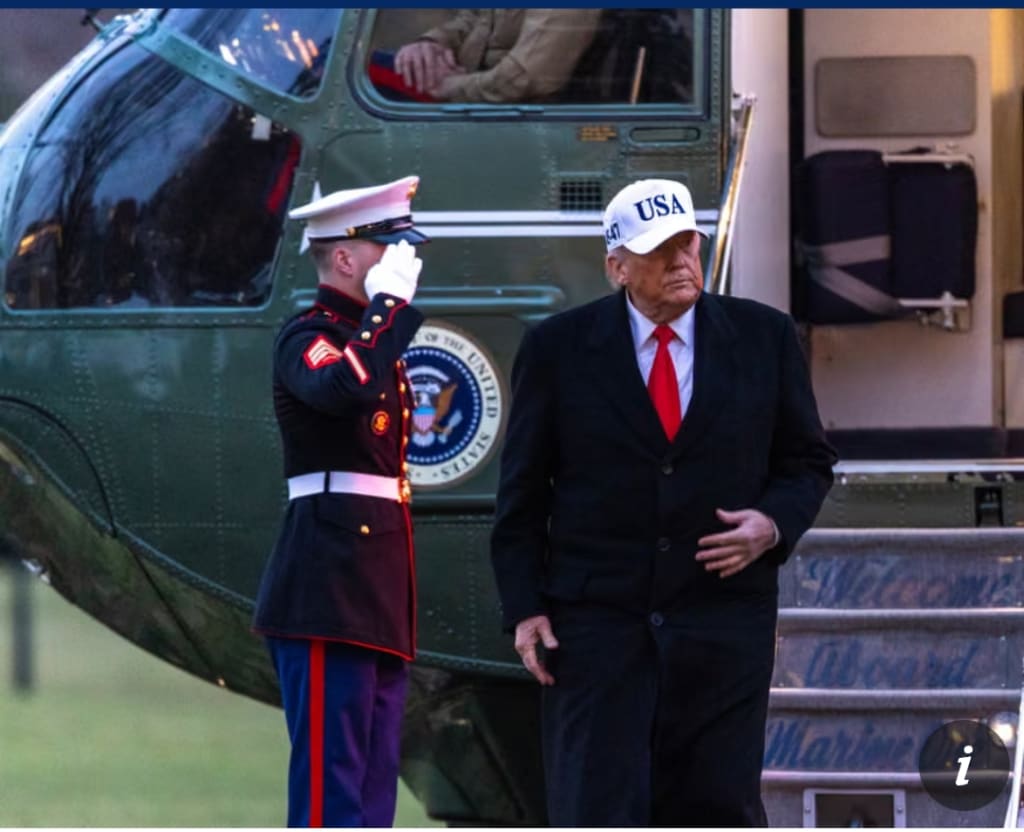
Former President Donald Trump has issued a dramatic statement promising support for “Iranian Patriots,” signaling a possible escalation in US-Iran relations and raising global concerns about potential military action. While Trump is no longer in office, his statements continue to carry weight in international politics, particularly as he maintains significant influence over US political discourse and foreign policy debate.
The rhetoric highlights the ongoing volatility in the Middle East, the deep-seated tensions between Washington and Tehran, and the complex interplay of domestic politics, military strategy, and diplomacy.
Trump’s Announcement and Its Implications
In recent remarks, Trump emphasized that the United States stands with those he calls “Iranian Patriots”—citizens resisting the current regime in Tehran. He framed his comments as both a show of solidarity and a warning, suggesting that further US action, including military measures, could follow if Iran continues policies he deems threatening.
Although the former president did not provide specific operational details, his message was unmistakably hawkish. Analysts suggest that such statements may serve multiple purposes: reassuring allies in the region, applying pressure on Iran, and bolstering his image among supporters who favor a hardline approach.
Context: Iran-US Relations
Relations between the US and Iran have been tense for decades, punctuated by conflicts over nuclear development, regional influence, and human rights concerns. The Trump administration famously withdrew from the 2015 Iran nuclear deal in 2018, imposing extensive economic sanctions aimed at pressuring Tehran to curb its nuclear program and regional interventions.
Although Trump is no longer in office, his rhetoric reflects continuity in hardline US policy toward Iran, appealing to domestic audiences and signaling potential shifts in future engagement strategies.
Support for “Iranian Patriots”
The term “Iranian Patriots” appears to refer to Iranian citizens, activists, or opposition groups resisting the government of Tehran. Trump’s public commitment to their support underscores a strategy of exerting influence not only through direct diplomacy or sanctions but also via engagement with internal opposition.
Historically, US support for opposition movements in Iran has been controversial, with mixed results. Advocates argue that empowering internal movements promotes democracy and human rights, while critics warn that such actions can exacerbate instability and provoke violent retaliation.
Potential for Military Action
Although Trump stopped short of explicitly announcing military strikes, his reference to supporting opposition groups carries implicit threats of intervention. Military analysts caution that any escalation could rapidly destabilize the region, given Iran’s strategic alliances, missile capabilities, and influence in Iraq, Syria, Lebanon, and Yemen.
Even limited military engagements risk triggering regional conflicts, impacting global oil markets, and provoking retaliation against US interests abroad. Experts stress that rhetoric alone can raise tension and uncertainty, affecting diplomacy, trade, and security planning.
Domestic Political Considerations
Trump’s statements also reflect domestic political calculations. By framing himself as a strong defender against Tehran, he appeals to constituencies favoring assertive foreign policy and military readiness. The rhetoric reinforces his long-standing persona as a nationalist leader willing to confront adversaries decisively.
At the same time, critics argue that such public signaling, without strategic planning or multilateral consultation, risks inflaming international tensions unnecessarily and undermines long-term US security objectives.
International Reactions
Reactions from global actors have been cautious but attentive. Allies in Europe and the Middle East are monitoring statements for signs of policy shifts or potential engagement. Iran has condemned Trump’s rhetoric, labeling it as provocative and inflammatory, and reinforcing Tehran’s warnings against foreign interference in domestic affairs.
Analysts note that even without a formal return to office, Trump’s influence shapes regional perceptions, signaling to Iran and its partners that hardline US policy remains a significant factor in strategic calculations.
Historical Context and Precedents
Trump’s approach echoes past US strategies in the Middle East, where support for opposition groups, sanctions, and military posturing have been tools of influence. In countries such as Iraq, Syria, and Libya, similar approaches yielded mixed results—sometimes promoting regime change, other times creating long-term instability and humanitarian crises.
Lessons from history suggest that backing internal opposition while simultaneously threatening military action carries significant risks, especially in countries with robust security apparatuses and regional alliances.
Risks for the Region
Escalation in US-Iran relations could have wide-ranging consequences:
Regional Conflict: Iran could retaliate directly or through proxies in Iraq, Syria, Lebanon, and Yemen.
Global Energy Markets: Iran’s position in OPEC and control over strategic waterways could affect oil supply and prices.
Diplomatic Fallout: Allies may be pressured to choose sides, complicating international cooperation on issues like the Ukraine war, counterterrorism, and climate policy.
Humanitarian Concerns: Escalation could exacerbate existing crises in the Middle East, including displacement, famine, and civilian casualties.
Experts warn that even rhetoric without immediate military action can intensify these risks by destabilizing markets, alliances, and local security.
What Comes Next
While Trump cannot directly implement US foreign policy as a former president, his statements influence public debate, political strategy, and congressional oversight. Current US policymakers must navigate his rhetoric while maintaining strategic coherence, balancing deterrence, diplomacy, and international obligations.
Observers expect heightened monitoring of Iran’s military movements, oil production, and regional engagements, as well as continued attention to opposition movements within the country.
Conclusion: Words That Carry Weight
Trump’s vow to support “Iranian Patriots” underscores the enduring volatility in US-Iran relations and the interplay of domestic politics and international strategy. Whether interpreted as reassurance, warning, or political theater, the statement signals that tensions with Tehran are far from resolved.
For the international community, the message is clear: rhetoric from influential leaders—even former presidents—can shape policy, perception, and risk, with potentially global consequences. Without careful diplomacy, the push for influence in Iran may escalate into confrontation, highlighting the delicate balance between support for internal resistance and the threat of military engagement.
About the Creator
Keep reading
More stories from Aarif Lashari and writers in The Swamp and other communities.
US Supreme Court Appears Likely to Uphold Restrictions on Transgender Athletes
The US Supreme Court is poised to make a landmark decision that could reshape the landscape of youth and collegiate sports across the country. Reports indicate that the Court appears likely to uphold restrictions on transgender athletes, a move that would reinforce state-level bans preventing transgender girls and women from competing in sports aligned with their gender identity.
By Aarif Lashari6 days ago in The Swamp
New Bilt Cards Exclude Tax Payments, eBay, Facebook Marketplace, and More
In an era where credit card perks and rewards often define consumer choices, Bilt, a relatively new player in the rewards credit card space, is making waves. The Bilt Mastercard has been praised for its unique offering: the ability to earn points on rent payments without transaction fees, something nearly unheard of in the credit card world. However, recent updates to the card’s terms have raised eyebrows, as certain payment categories—including tax payments and popular online marketplaces—are now excluded from earning rewards. This change, while not entirely unexpected, represents a shift in Bilt’s strategy. Here’s a closer look at what this means for users, why it matters, and how cardholders can adjust their spending strategies. Understanding Bilt’s Original Appeal Bilt entered the credit card market with a bold promise: allow renters to earn rewards on a recurring expense that traditionally offered no benefits. Most credit cards charge fees for paying rent via third-party platforms, but Bilt waived these, allowing cardholders to earn points toward travel, fitness, and other perks. Beyond rent, Bilt had positioned itself as a card that could compete in everyday spending. Early users enjoyed points accumulation on dining, travel, and select online purchases, making the card a versatile option for those looking to maximize rewards without paying high annual fees. The combination of no-fee rent payments and a decent points system made Bilt particularly attractive to younger professionals and urban renters who often see rent as their largest monthly expense. What’s Changing: Exclusions Explained Recently, Bilt updated its terms, and certain transactions no longer earn rewards points. The key exclusions now include: Tax Payments – Payments made toward federal, state, and local taxes through the IRS or third-party platforms will not earn rewards. eBay Purchases – Online auction and marketplace transactions are excluded from earning points. Facebook Marketplace Transactions – Payments made for goods sold or purchased via Facebook Marketplace are also excluded. Other Specified Categories – Certain peer-to-peer payment platforms, digital wallets, or non-traditional marketplaces may fall under the exclusion list. These exclusions appear aimed at reducing the risk of “gaming” the rewards system. For example, some users may have previously tried to convert taxable payments into points or exploit marketplaces to generate rewards at low cost. By cutting off these categories, Bilt protects its rewards pool while nudging users toward traditional spending categories. Why Bilt Made These Changes Credit card issuers regularly adjust their rewards programs to balance user benefits with financial sustainability. While this might feel like a downgrade, it is a common industry practice. Bilt’s exclusions likely serve several purposes: Financial Risk Management: Large-scale rewards redemption on tax payments or online marketplaces could increase the company’s exposure. Encouraging Core Spending: Bilt wants users to spend on categories that align with their strategic partnerships, like travel, dining, and fitness. Fraud Prevention: Peer-to-peer and marketplace transactions often carry higher risks of fraud or chargebacks. Excluding these categories helps mitigate potential losses. By narrowing the earning categories, Bilt ensures its rewards system remains sustainable while still offering benefits in other areas that appeal to its target demographic. How This Affects Bilt Cardholders For existing users, this change means some spending that previously earned points will no longer qualify. Tax payments, which can be substantial, and online marketplace transactions are common ways some cardholders maximized points. The good news is that the card still rewards rent payments, a feature that continues to set Bilt apart. Additionally, purchases in restaurants, fitness, travel, and select partner merchants still earn points, meaning everyday discretionary spending remains valuable. Cardholders can adapt in several ways: Separate Spending Categories: Use Bilt for rent and traditional spending, and another card for taxes or marketplace purchases. Plan Rewards Strategy: Focus on high-reward categories to offset the excluded spending. Track Transactions: Regularly monitor which purchases earn points to avoid surprises. These strategies allow users to continue making the most of Bilt’s rewards without losing the benefits of everyday spending. What This Means for the Credit Card Market Bilt’s exclusions are not unusual when compared to other major credit cards. Chase, American Express, and Citi frequently adjust bonus categories and exclusions to maintain profitability and avoid reward exploitation. However, Bilt’s model is still distinctive. Most cards don’t offer points on rent at all, and Bilt continues to cater to urban renters and younger professionals, a demographic often underserved by traditional credit card rewards programs. In a competitive rewards landscape, Bilt’s focus on rent and lifestyle perks—like fitness and travel rewards—helps differentiate it from mainstream credit cards. While some exclusions may disappoint users, the overall value proposition remains strong for its core audience. Key Takeaways Bilt remains unique: Rent payments still earn points without fees, a feature few cards offer. Exclusions are targeted: Tax payments, eBay, and Facebook Marketplace are excluded to protect the rewards ecosystem. Cardholders can adapt: Using multiple cards for different spending categories ensures optimal rewards accumulation. Market positioning is strategic: Bilt continues to appeal to younger renters who prioritize lifestyle rewards and travel perks. For anyone considering Bilt, it’s important to weigh the value of rent-based rewards against the limitations on other transactions. If your primary goal is to earn points on rent and everyday discretionary spending in eligible categories, Bilt still offers a compelling choice. For those who frequently pay taxes with a credit card or shop heavily on online marketplaces, a supplemental card may be necessary. Final Thoughts The new exclusions on Bilt cards highlight a tension in the credit card world: balancing generous rewards with financial sustainability. While some users may be disappointed, the core advantage—earning points on rent without fees—remains untouched, preserving the card’s unique appeal. Bilt is evolving, as all credit card programs do, but its focus on lifestyle and rent rewards ensures it continues to fill a niche that traditional credit cards have largely ignored. By understanding the exclusions and adjusting spending habits, cardholders can still make Bilt a valuable tool in their financial toolkit. In the end, the Bilt Mastercard proves that even in a crowded credit card market, innovation—especially around everyday expenses like rent—can offer meaningful benefits to the right audience, despite necessary limitations in some spending categories.
By Muhammad Hassanabout 16 hours ago in The Swamp



Comments
There are no comments for this story
Be the first to respond and start the conversation.