
EU Prepared to Respond to Trump’s Greenland Tariff Threats but Hopes to De‑escalate at Davos
EU braces for Trump’s Greenland tariffs but seeks dialogue at Davos to avoid escalation.
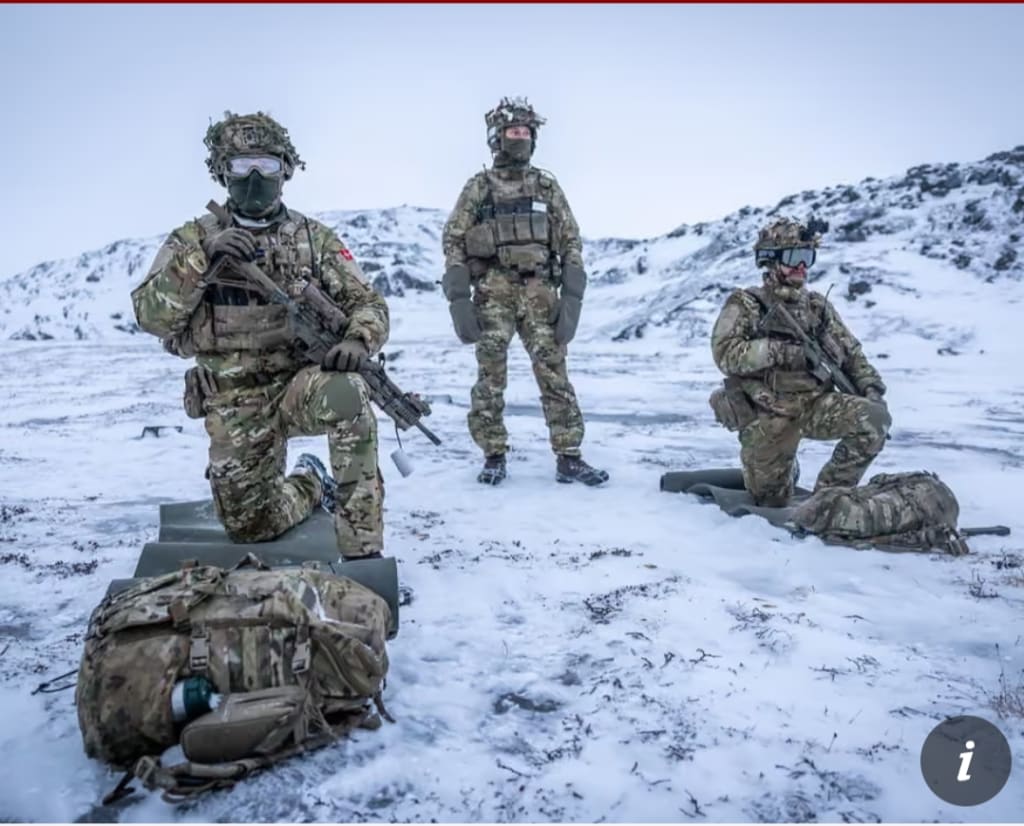
In a tense turn of transatlantic relations, the European Union says it is ready to respond to U.S. President Donald Trump’s tariff threats tied to Greenland. At the same time, EU leaders hope to use diplomacy to de‑escalate tensions at the upcoming World Economic Forum in Davos.
This standoff highlights growing friction between the U.S. and Europe over trade, sovereignty, and alliance trust, with implications that reach far beyond Greenland.
Greenland: The New Flashpoint
The controversy began when President Trump announced plans to impose tariffs on European goods—10% initially, potentially rising to 25%—unless European nations complied with U.S. demands regarding Greenland.
Trump cited U.S. strategic interests in Greenland and related reconnaissance missions, framing the tariffs as a protective measure. European leaders, however, condemned the threats as coercive and inappropriate between allies, emphasizing that Greenland’s future is a matter for Denmark and Greenland, not external pressure.
EU’s Strategy: Engage Without Escalating
EU officials have made their priorities clear: dialogue first, retaliation if necessary.
While emphasizing diplomacy, the EU is also preparing €93 billion in retaliatory tariffs against U.S. goods—a plan that could be activated if Trump follows through on his threats.
This strategy reflects a dual approach: maintain strong transatlantic relations while protecting European economic interests. Officials hope that careful negotiation will prevent a damaging trade war, but they are not backing down from defending the bloc’s position.
European Political Response
Leaders across Europe have united in opposition to Trump’s tariff threats.
Germany’s Chancellor Friedrich Merz stressed the importance of territorial integrity for Denmark and Greenland, warning that threats could strain NATO cooperation.
French officials highlighted that coercive tariffs undermine trust between allies.
Irish leaders called for a measured EU response, advocating dialogue over escalation.
Across the continent, the message is consistent: Europe will protect its interests without compromising long-term alliance relationships.
Davos: A Chance for De‑escalation
The World Economic Forum in Davos offers an opportunity for EU leaders to engage directly with President Trump and U.S. officials.
Europe aims to balance firmness with diplomacy: affirming its stance while keeping channels open for negotiation. The forum could prove pivotal in preventing tariffs from taking effect and avoiding a broader transatlantic trade conflict.
Why This Matters
This dispute goes beyond Greenland or tariffs:
Trade Impacts: Tariffs could disrupt markets, affecting industries from manufacturing to agriculture.
Alliance Trust: Using economic pressure to influence a NATO ally risks eroding long-standing cooperation.
Global Diplomacy: The standoff sets a precedent for how allies interact under pressure, highlighting the need for restraint.
The stakes are high, and both sides are aware that missteps could have long-lasting consequences for Europe-U.S. relations.
What Comes Next
The EU is preparing for:
Continued consultations among member states to coordinate responses.
Potential retaliatory tariffs if the U.S. acts.
Bilateral and multilateral diplomacy at Davos, aiming to reduce tensions and reinforce alliance solidarity.
This careful balancing act reflects Europe’s desire to stand firm without escalating conflict, preserving both economic stability and strategic partnerships.
Conclusion
The Greenland tariff controversy is a litmus test for EU-U.S. relations in 2026. Europe is signaling that it will not yield to coercive tactics, yet it remains committed to dialogue and collaboration.
As the Davos forum approaches, the world will watch closely to see whether diplomacy prevails—or whether a new transatlantic dispute reshapes economic and political ties.
Category: International Relations & Economics
Best Community: Transatlantic Affairs / EU & Global Trade
I can also create multiple catchy subtitles for this blog to increase engagement and click-through rates on Vocal Media. Do you want me to do that next?
About the Creator
Keep reading
More stories from Aarif Lashari and writers in The Swamp and other communities.
High-Speed Train Crash in Southern Spain Leaves 39 Dead
A Sunday evening in southern Spain turned into a national tragedy. On January 18, 2026, a high-speed train crash near Adamuz, Córdoba, left at least 39 people dead and scores more injured. The accident shocked Spain, challenged emergency responders, and raised urgent questions about safety on the country’s high-speed rail network.
By Aarif Lashariabout 15 hours ago in The Swamp
A Dart at Dusk
Seconds ago, the sullen sun set on the two of us… my exuberant furry companion and me. A fresh breeze embraces us, delivering welcome relief from the day’s oppressive heat. His typical stumbling and staggering along — apace with a sloth — has turned into trip-trapping, high-stepping, almost skipping along.
By Angie the Archivist 📚🪶6 days ago in Petlife



Comments
There are no comments for this story
Be the first to respond and start the conversation.