
“Trump Is Sowing the Seeds of the Next Ukraine War”
Debate grows over foreign policy, security strategy, and the future of Eastern European stability
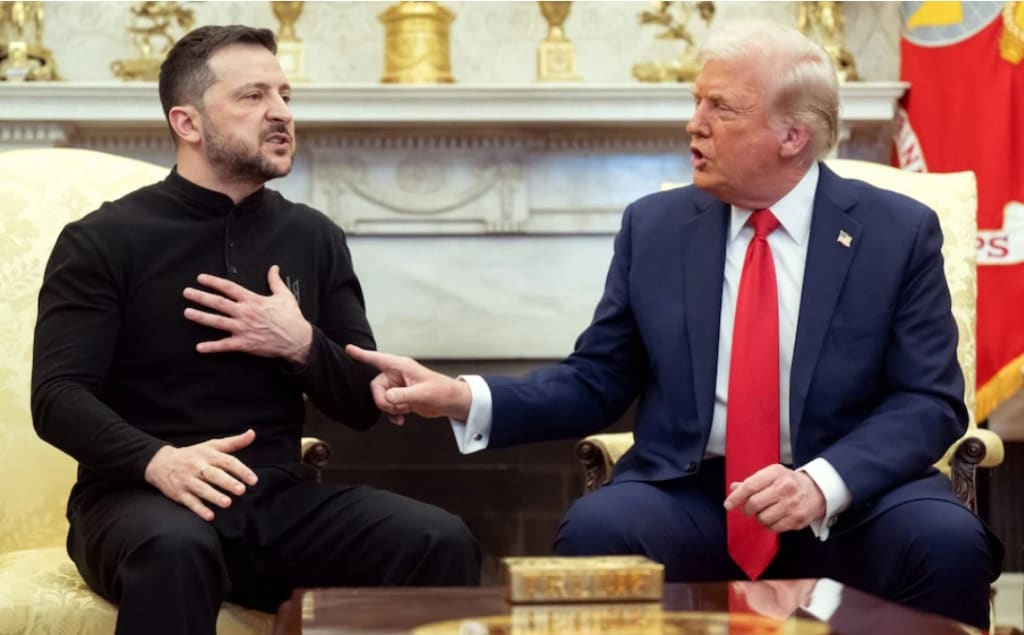
Recent political commentary and international analysis have raised concerns that current or future US policy decisions under Donald Trump could influence the long-term security situation surrounding Ukraine. The phrase “sowing the seeds of the next Ukraine war” reflects fears among some analysts that shifts in Western unity, military aid strategies, or diplomatic positioning could shape future regional conflicts.
While opinions differ widely, the discussion highlights how global security dynamics remain fragile following the ongoing consequences of the Russia-Ukraine conflict. The debate also reflects larger questions about the role of major powers in maintaining global stability.
The Background: The Ukraine Conflict and Global Security
The conflict involving Ukraine has become one of the most significant geopolitical events of the 21st century. It has reshaped alliances, defense strategies, and international diplomacy.
Key global impacts have included:
Increased NATO military cooperation
Major economic sanctions on Russia
Increased defense spending across Europe
Energy supply chain restructuring
Even as active conflict phases fluctuate, long-term regional tensions remain a global concern.
Why Some Analysts Are Raising Concerns
Some foreign policy analysts argue that any reduction in Western military or financial support for Ukraine could change the balance of power in Eastern Europe. Others believe diplomatic shifts could create opportunities for future instability if long-term security guarantees are unclear.
Concerns raised by critics often include:
Potential weakening of Western alliances
Reduced deterrence against future aggression
Uncertainty in long-term security commitments
Changes in negotiation strategies
However, supporters of alternative strategies argue diplomacy could reduce long-term conflict risk.
Trump’s Foreign Policy Approach
Donald Trump’s foreign policy has historically emphasized:
Reduced long-term foreign military involvement
Increased focus on domestic priorities
Direct leader-to-leader diplomacy
Pressure on allies to increase defense spending
Supporters argue this approach reduces unnecessary foreign conflict. Critics argue it may weaken international alliances.
The Role of US Support in Ukraine’s Defense
The United States has played a major role in supporting Ukraine through military equipment, intelligence sharing, and economic support. Many defense experts believe US involvement has been a major factor in Ukraine’s ability to maintain resistance.
Long-term security discussions often focus on:
Military aid sustainability
NATO expansion or cooperation
Security guarantees
Post-war reconstruction stability
The Importance of Western Unity
One of the most frequently discussed factors in European security is Western unity. Many analysts believe coordinated defense and diplomatic policy among Western nations creates strong deterrence against future conflicts.
If unity weakens, some experts fear:
Increased regional instability
Greater geopolitical competition
Reduced crisis response coordination
Others argue new diplomatic approaches could create long-term peace frameworks.
Diplomatic vs Military Strategy Debate
The global security community remains divided on how to prevent future conflict. Some experts support strong military deterrence, while others emphasize diplomacy and negotiation.
Military deterrence supporters argue:
Strong defense prevents aggression
Alliances maintain balance of power
Diplomacy-focused analysts argue:
Negotiation can reduce long-term conflict cycles
Economic cooperation can stabilize regions
Both strategies often exist together in modern foreign policy.
The Role of Domestic Politics in Foreign Policy
Foreign policy decisions are often influenced by domestic political priorities. Economic concerns, public opinion, and national security strategy all shape how countries engage internationally.
US foreign policy shifts can have global impact due to America’s military and economic influence.
European Security Concerns Going Forward
European nations are increasingly focused on long-term security planning. Many countries are increasing defense budgets and strengthening regional cooperation.
Key priorities include:
Military modernization
Cybersecurity defense
Energy independence
Regional intelligence sharing
Why the Debate Matters Globally
The discussion around future Ukraine conflict risk reflects broader global concerns about how major power competition could shape future conflicts.
Global stability often depends on:
Strong diplomatic communication
Clear defense strategy
Economic cooperation
Crisis prevention planning
The Uncertainty of Future Conflict Predictions
Predicting future conflicts is extremely complex. Many factors influence whether tensions escalate or stabilize, including leadership decisions, economic conditions, and regional political dynamics.
Most experts agree that preventing future wars requires long-term diplomatic and security planning.
The Role of International Institutions
Organizations such as NATO, the United Nations, and European Union institutions play important roles in maintaining stability through coordination, peacekeeping, and diplomacy.
International cooperation remains a key part of conflict prevention strategies.
Conclusion
The debate around whether political decisions could influence the risk of future conflict in Ukraine highlights the complexity of global security policy. While some analysts express concern that certain policy directions could increase instability, others argue that alternative diplomatic approaches could reduce long-term conflict risks.
Ultimately, the future of Ukraine’s security and regional stability will likely depend on a combination of military preparedness, diplomatic engagement, economic cooperation, and international coordination. As global power dynamics continue evolving, the Ukraine situation will remain a key test of international conflict prevention efforts.
About the Creator
Keep reading
More stories from Aarif Lashari and writers in The Swamp and other communities.
US Says It Shot Down Iranian Drone Flying Towards Aircraft Carrier
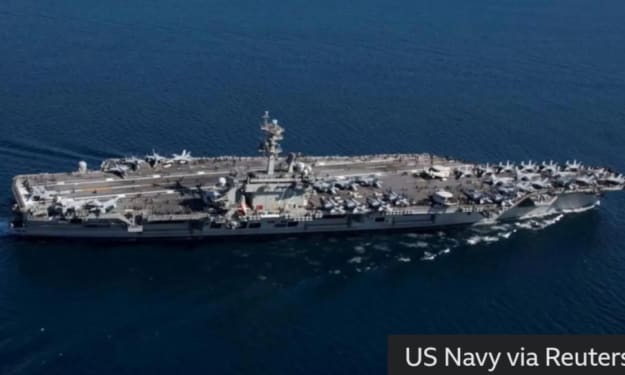
The United States military has reported that it shot down an Iranian drone that was allegedly flying toward a US aircraft carrier in a sensitive regional area. The incident has quickly drawn international attention, reflecting ongoing tensions between Washington and Tehran and highlighting the growing importance of unmanned aerial systems in modern military strategy.
By Aarif Lashari5 days ago in The Swamp
Why Black History Matters in America?
The United States of America is celebrating their 250th anniversary in 2026. I'm proud to be an American and as someone who was born here, I wouldn't imagine myself living anywhere else. This is a country where opportunities are possible. Where anyone can be successful in anything they desire to do. Equality, community, and togetherness are the backbones of what America is and should be about. However, we have an administration who wants to erase and disregard those who have made positive, meaningful impacts in our country, specifically Black figures, such as Martin Luther King, Jr., Rosa Parks, and Maya Angelou. President Trump and his administration have been constantly complaining and fighting against what they call the "Woke agenda". They use this excuse as a distraction from other issues they refuse to address, such as the high cost of living, climate change, and inflation. That equality is dividing America, when in reality, it's bringing us together. Being woke is not tied to a specific political party. No matter where you stand on the political spectrum, you can still care about other people and their plights. Compassion and empathy for others isn't tied to a political party, either. We were taught as children to treat others the way we want to be treated and not judge others because they're different from us. Caring about others isn't a personal attack on your beliefs. It doesn't make you any less of a person. People who are easily offended over African American figures, past or present, or anything related to it, are grasping at straws. Current and future generations need to know who people like Harriet Tubman and Shirley Chisholm were, especially in the classroom. Black History is part of American History. It should be recognized, not hidden or forgotten. Besides, you can't shield children from everything, just because your feelings are easily hurt.
By Mark Wesley Pritchard 7 days ago in The Swamp
New Travel Updates: UAE, Saudi Arabia, and Qatar Suspend Flights to Israel Amid Rising Gulf Tensions
Flights Grounded: What’s Happening? In early 2026, rising tensions involving Iran, Israel, and the U.S. have caused a significant shake-up in Middle Eastern aviation. Airlines are suspending or rerouting flights to protect passengers and crews as governments close or restrict airspace over high-risk regions.
By Sajida Sikandar7 days ago in The Swamp



Comments
There are no comments for this story
Be the first to respond and start the conversation.