
Trump Administration Sued Over Visa Freeze on Immigrants From 75 Countries
Civil rights groups and immigrant advocates challenge a sweeping executive action that they say unfairly targets millions and violates constitutional protections.

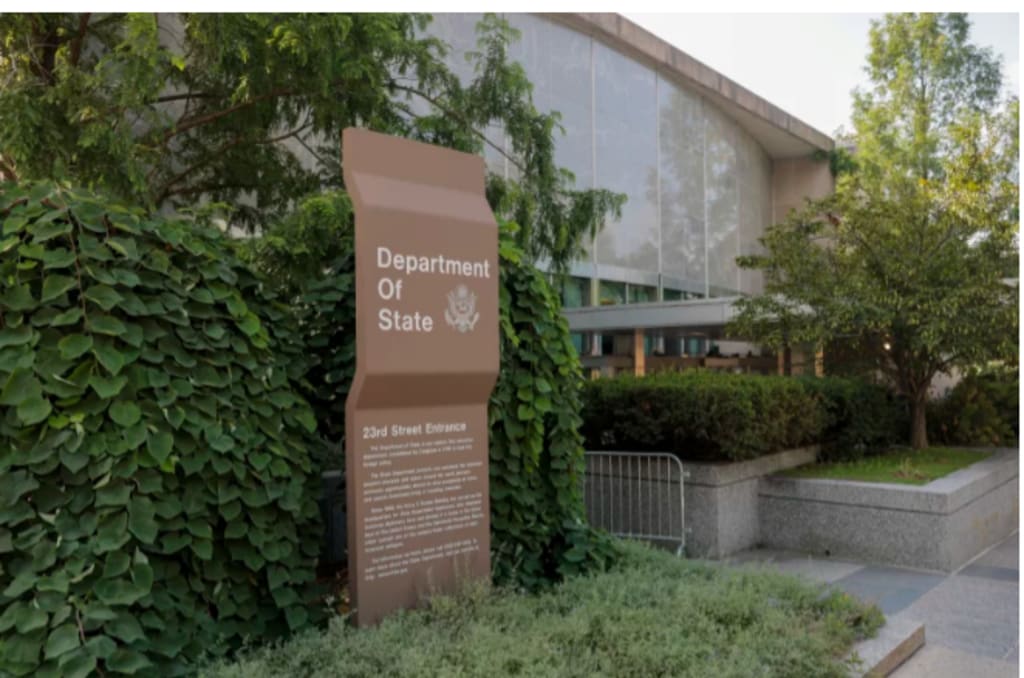
The Trump administration is facing a high-profile legal challenge over its decision to freeze visas for immigrants from 75 countries, a move critics say amounts to a sweeping, discriminatory ban. The lawsuit, filed by a coalition of civil rights organizations and immigration advocacy groups, argues that the freeze violates the U.S. Constitution and federal immigration laws while causing widespread confusion and hardship for millions of families.
This legal battle highlights the ongoing tension between executive authority over immigration and the protections afforded to individuals under U.S. law. Advocates contend that the policy disproportionately affects vulnerable populations, including refugees, students, and family members seeking reunification.
The Visa Freeze Explained
The executive order in question restricts the issuance of immigrant and non-immigrant visas to individuals from 75 countries, citing concerns over national security, public health, and border management. According to the Trump administration, the policy is designed to "protect American citizens and maintain the integrity of the immigration system."
Critics, however, describe it as a blanket ban that unfairly targets people based on nationality or religion. Under the policy, consulates and embassies are instructed to halt the processing of many visa applications until further notice, leaving countless applicants in limbo.
Immigrant advocacy groups report that families are being separated, students are unable to attend U.S. universities, and businesses are losing skilled talent. Some affected individuals have been waiting for months for approvals that are now indefinitely delayed.
The Lawsuit
The lawsuit, filed in federal court, claims that the visa freeze exceeds the executive branch’s authority and violates the equal protection and due process clauses of the Constitution. Lawyers representing the plaintiffs argue that the policy is not narrowly tailored to serve national security concerns and instead imposes unnecessary hardships on law-abiding applicants.
“Thousands of people are being punished solely because of where they were born,” said one attorney involved in the case. “This blanket approach is neither legally justified nor morally defensible.”
The plaintiffs include immigrants directly affected by the freeze, as well as organizations advocating for refugee and immigrant rights. They are seeking an injunction to halt the policy and restore normal visa processing.
Impact on Families and Communities
One of the most visible consequences of the visa freeze is family separation. Parents and children who had planned to reunite in the United States now face indefinite delays. In some cases, spouses and partners are unable to join one another legally, leading to prolonged emotional and financial stress.
Community organizations have reported a surge in calls for assistance, as affected individuals scramble to understand the policy and its implications. Churches, advocacy groups, and legal aid organizations are stepping in to provide guidance, but resources are limited.
For refugees fleeing conflict or persecution, the freeze has an even more acute impact. Some have had their resettlement opportunities canceled or delayed, forcing them to remain in dangerous situations abroad.
Political and Legal Reactions
The visa freeze has sparked intense debate in Washington and across the country. Democratic lawmakers have denounced the policy as discriminatory and politically motivated, while some Republican supporters defend it as a necessary tool to secure borders and protect U.S. interests.
Legal scholars note that the case raises fundamental questions about the scope of presidential authority in immigration matters. Historically, presidents have had broad discretion to regulate entry, but courts have sometimes imposed limits when policies appear arbitrary or discriminatory.
The Supreme Court previously weighed in on similar issues, including travel bans targeting certain countries, but the scale of this latest freeze—covering 75 nations—makes the current lawsuit particularly significant.
Economic and Educational Implications
Beyond families and humanitarian concerns, the visa freeze threatens economic and educational sectors. International students from affected countries face uncertainty over enrollment, visas, and travel. Universities report that admissions from impacted nations have already declined, affecting diversity and academic programs.
Businesses relying on skilled foreign workers are also being affected. Technology companies, research institutions, and medical facilities often hire talent from around the world, and visa delays could lead to lost opportunities and a shrinking talent pool.
Industry leaders have urged the administration to provide clarity and consider targeted measures rather than a blanket freeze. Failure to do so, they warn, could have long-term consequences for U.S. competitiveness.
Humanitarian Concerns
Human rights groups argue that the policy undermines America’s reputation as a destination for refugees and immigrants. International organizations have called on the U.S. government to respect obligations under international law and ensure that individuals fleeing persecution are not trapped in unsafe conditions abroad.
The visa freeze also complicates efforts by humanitarian organizations to relocate vulnerable populations. NGOs that coordinate refugee resettlement now face logistical obstacles, as approvals are suspended and timelines remain uncertain.
Looking Ahead
The outcome of the lawsuit could set an important precedent for future immigration policy. If courts find the visa freeze unconstitutional or beyond the president’s authority, it could limit the scope of executive power in similar cases. Conversely, a ruling in favor of the administration could expand presidential discretion in restricting entry to the U.S.
For affected individuals and families, the stakes are deeply personal. Many remain in legal and emotional limbo, uncertain when—or if—they will be able to enter the United States.
Conclusion
The Trump administration’s visa freeze on immigrants from 75 countries underscores the tension between national security objectives and constitutional protections. The ongoing lawsuit brings these issues to the forefront, highlighting the human, economic, and legal consequences of broad immigration restrictions.
As the case unfolds, the nation—and the world—will watch closely, weighing the balance between executive authority, the rule of law, and America’s historic role as a refuge for those seeking safety and opportunity.
About the Creator
Sajida Sikandar
Hi, I’m Sajida Sikandar, a passionate blogger with 3 years of experience in crafting engaging and insightful content. Join me as I share my thoughts, stories, and ideas on a variety of topics that matter to you.
Keep reading
More stories from Sajida Sikandar and writers in The Swamp and other communities.
Fifteen Migrants Dead After Collision With Greek Coast Guard Boat
A deadly collision between a migrant vessel and a Greek Coast Guard boat has left at least fifteen people dead, marking another heartbreaking chapter in the ongoing Mediterranean migration crisis. The incident occurred in the Aegean Sea, a well-known crossing point for migrants attempting to reach Europe from conflict-stricken and economically devastated regions.
By Sajida Sikandar5 days ago in The Swamp
Why Black History Matters in America?
The United States of America is celebrating their 250th anniversary in 2026. I'm proud to be an American and as someone who was born here, I wouldn't imagine myself living anywhere else. This is a country where opportunities are possible. Where anyone can be successful in anything they desire to do. Equality, community, and togetherness are the backbones of what America is and should be about. However, we have an administration who wants to erase and disregard those who have made positive, meaningful impacts in our country, specifically Black figures, such as Martin Luther King, Jr., Rosa Parks, and Maya Angelou. President Trump and his administration have been constantly complaining and fighting against what they call the "Woke agenda". They use this excuse as a distraction from other issues they refuse to address, such as the high cost of living, climate change, and inflation. That equality is dividing America, when in reality, it's bringing us together. Being woke is not tied to a specific political party. No matter where you stand on the political spectrum, you can still care about other people and their plights. Compassion and empathy for others isn't tied to a political party, either. We were taught as children to treat others the way we want to be treated and not judge others because they're different from us. Caring about others isn't a personal attack on your beliefs. It doesn't make you any less of a person. People who are easily offended over African American figures, past or present, or anything related to it, are grasping at straws. Current and future generations need to know who people like Harriet Tubman and Shirley Chisholm were, especially in the classroom. Black History is part of American History. It should be recognized, not hidden or forgotten. Besides, you can't shield children from everything, just because your feelings are easily hurt.
By Mark Wesley Pritchard 7 days ago in The Swamp
Nancy Pelosi Warns Press Freedom Is ‘Under Siege’ After Arrest of Journalist
Former U.S. House Speaker Nancy Pelosi has warned that press freedom is “under siege” following the arrest of a journalist in what she described as a troubling escalation of pressure on independent media and democratic institutions. Her comments come amid growing concern from civil liberties groups and lawmakers that journalists are increasingly being targeted for their reporting. Pelosi issued her warning after authorities detained a reporter covering a politically sensitive investigation, an incident that has drawn sharp criticism from press freedom advocates and sparked renewed debate over the treatment of journalists in the United States and abroad. “The free press is the guardian of our democracy,” Pelosi said in a statement. “When journalists are arrested for doing their jobs, it sends a dangerous message and undermines the constitutional principles that protect all of us. Press freedom is under siege, and we must not be silent.” Arrest Sparks Political Backlash The journalist was taken into custody while reporting on alleged misconduct involving senior public officials, according to media organizations familiar with the case. Law enforcement officials said the arrest was related to obstruction and failure to comply with police instructions, but critics argue the action was disproportionate and politically motivated. Video footage circulating online appeared to show the reporter being escorted away from the scene while identifying themselves as a member of the press. The outlet employing the journalist said they were clearly marked as media and had been performing their duties lawfully. Civil liberties groups quickly condemned the arrest, calling it an attack on press freedom and demanding the journalist’s immediate release. The Committee to Protect Journalists said the detention “raises serious concerns about the growing hostility faced by reporters covering controversial or politically sensitive issues.” Pelosi’s Warning on Democratic Norms Pelosi, who has long positioned herself as a defender of democratic institutions, linked the arrest to a broader pattern of pressure on journalists and public accountability. “This is not an isolated incident,” she said. “Across our country and around the world, reporters are being harassed, intimidated, and jailed for telling the truth. This moment calls for moral clarity and firm action from leaders of both parties.” She urged Congress to strengthen legal protections for journalists and reaffirm the importance of the First Amendment, which guarantees freedom of speech and of the press. Pelosi’s remarks echo earlier warnings from international organizations, including the United Nations and Reporters Without Borders, which have noted a decline in global press freedom over the past decade. Response From Authorities Law enforcement officials defended their actions, saying the arrest was not intended to target journalism but to maintain order at the scene of an ongoing investigation. “Our officers acted in accordance with established procedures,” a police spokesperson said. “The individual was detained after refusing repeated lawful orders to leave a restricted area.” However, media lawyers countered that journalists frequently work in challenging environments and that police must make special efforts to respect their role in documenting events of public interest. “Detaining a reporter who is clearly identified as press sets a dangerous precedent,” said a constitutional law expert. “It risks chilling investigative reporting and discouraging journalists from covering sensitive stories.” Growing Anxiety Among Journalists The incident has intensified concerns within the journalism community about safety and legal risks. Reporters’ unions and newsroom editors said they were alarmed by what they view as a shrinking space for independent reporting. “Journalists are not the enemy of the state,” said a spokesperson for a national press association. “They are essential to transparency and accountability. Arrests like this make our work more dangerous and less secure.” Several media organizations announced they were reviewing their safety protocols and legal support for reporters covering protests, court cases, and political investigations. Some journalists have pointed to an increase in threats, harassment, and legal pressure, both online and in physical settings. They argue that political rhetoric portraying the press as untrustworthy has contributed to a climate in which attacks on reporters are more easily justified. International Implications Pelosi also highlighted the international consequences of the arrest, warning that actions against journalists in democratic societies can embolden authoritarian governments elsewhere. “When a democracy fails to protect its press, it weakens its moral authority to speak out against repression abroad,” she said. Human rights groups echoed that concern, noting that governments in several countries have cited Western examples to defend their own crackdowns on media. “This is how norms erode,” said a senior researcher at a global rights organization. “Each incident makes it easier for others to justify even harsher measures.” Calls for Accountability Lawmakers from both parties have called for an independent review of the arrest. A bipartisan group of representatives said they would seek clarification from the Justice Department and local authorities about the circumstances surrounding the detention. Some have proposed legislation aimed at strengthening protections for journalists, including clearer guidelines for law enforcement interactions with the media and penalties for wrongful arrests. The journalist was later released pending further legal proceedings, according to their employer. The outlet said it would contest the charges and pursue legal action if necessary. A Test for Press Freedom The episode has become a symbol of broader anxieties about the state of press freedom in a polarized political environment. Analysts say that while isolated arrests may not indicate systemic repression, they can have powerful symbolic effects. “Democracy depends on scrutiny,” said a political scientist specializing in civil liberties. “If journalists fear arrest or retaliation, fewer stories get told, and the public becomes less informed.” Pelosi concluded her remarks with a call for vigilance and unity in defending democratic values. “We must stand with journalists who risk their safety to bring us the truth,” she said. “Our democracy is strongest when the press is free, fearless, and protected.” As investigations into the arrest continue, the case is likely to fuel ongoing debate about the balance between law enforcement authority and the constitutional rights of the press—an issue that remains central to the health of democratic societies worldwide.
By Fiaz Ahmed Brohi3 days ago in The Swamp
Public Announcement Challenge Winners
For the Public Announcement Challenge, writers were asked to work inside voices built for control. These were notices, warnings, and updates meant to inform rather than confess. The strongest entries committed to that form and didn't break from it. Corporate memos, formal government alerts, and internal policy language were held consistently, allowing emotion, fear, grief, or humor to surface indirectly through pressure rather than declaration. The following poems recognize the voice of authority, and let human feeling slip through despite all its rules and restraint.
By Vocal Curation Team2 days ago in Resources


Comments
There are no comments for this story
Be the first to respond and start the conversation.