
Trade Tariffs and Economic Impact
How Rising Tariff Policies Are Reshaping Global Trade and Threatening Economic Stability
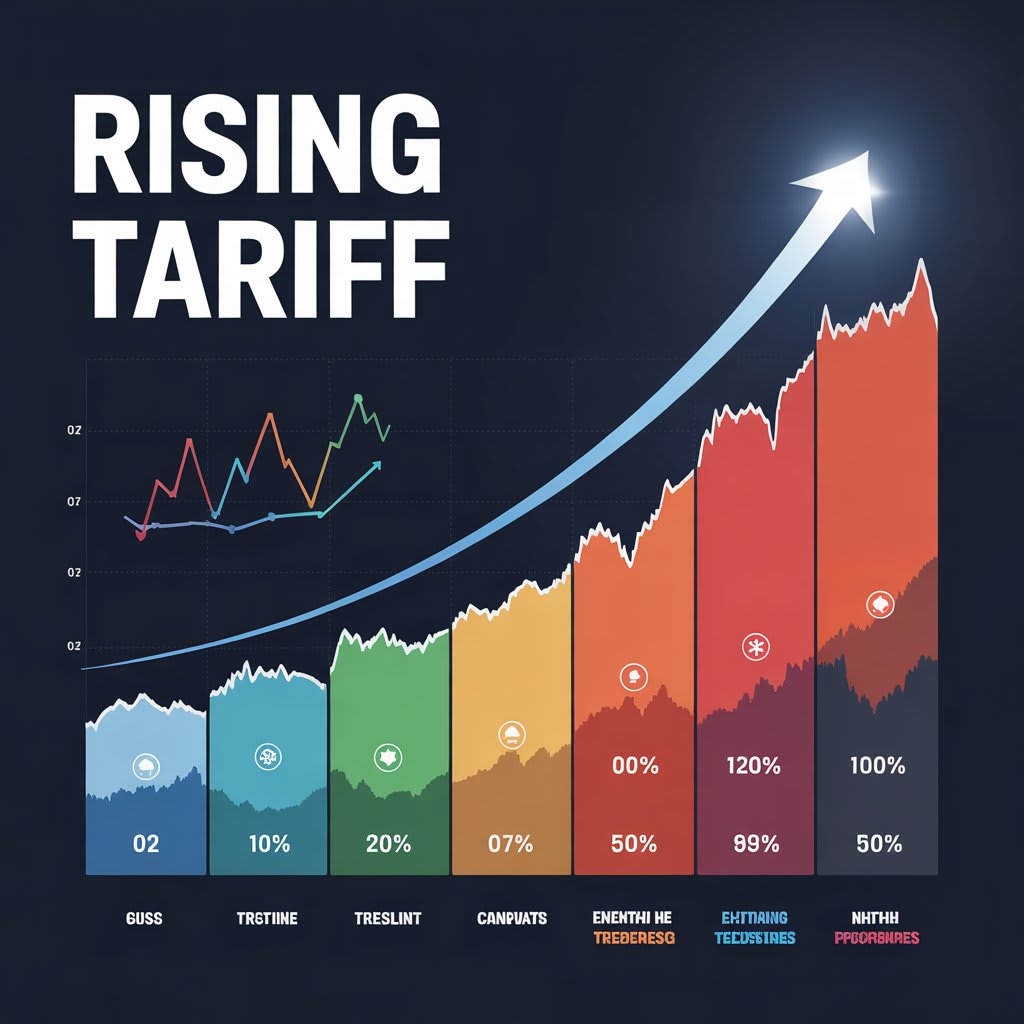
How Rising Tariff Policies Are Reshaping Global Trade and Threatening Economic Stability:
In recent years, the world has witnessed a dramatic resurgence of tariff-based trade policies, a trend that is not only reshaping the global trade landscape but also threatening long-term economic stability. Once seen as tools of the past, tariffs are now at the forefront of economic nationalism and geopolitical tension.
The Rise of Protectionism
Since the 2008 financial crisis and particularly after the COVID-19 pandemic, many nations have shifted toward protectionist policies to shield local industries and secure national interests. The U.S.–China trade war marked a turning point, where two of the largest global economies imposed massive tariffs on each other’s goods, affecting hundreds of billions of dollars in trade These policies, once used sparingly, are now becoming common practice. Countries are using tariffs as bargaining chips in political and trade negotiations, sometimes regardless of their economic consequences.

The Rise of Protectionism
Since the 2008 financial crisis and particularly after the COVID-19 pandemic, many nations have shifted toward protectionist policies to shield local industries and secure national interests. The U.S.–China trade war marked a turning point, where two of the largest global economies imposed massive tariffs on each other’s goods, affecting hundreds of billions of dollars in trade.
These policies, once used sparingly, are now becoming common practice. Countries are using tariffs as bargaining chips in political and trade negotiations, sometimes regardless of their economic consequences.
Supply Chain Disruptions
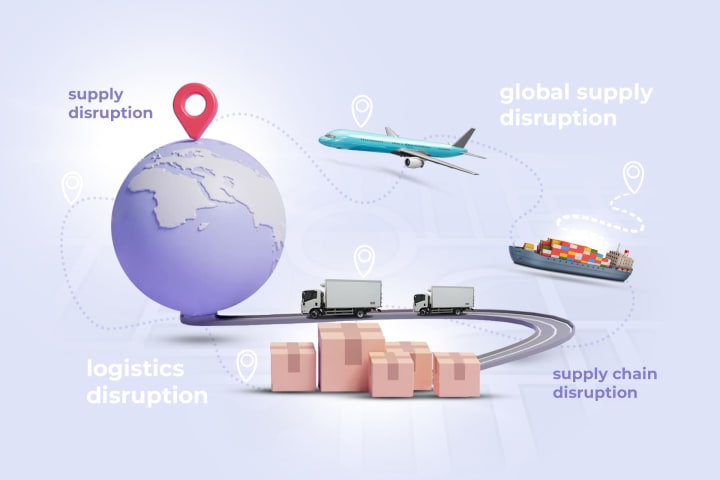
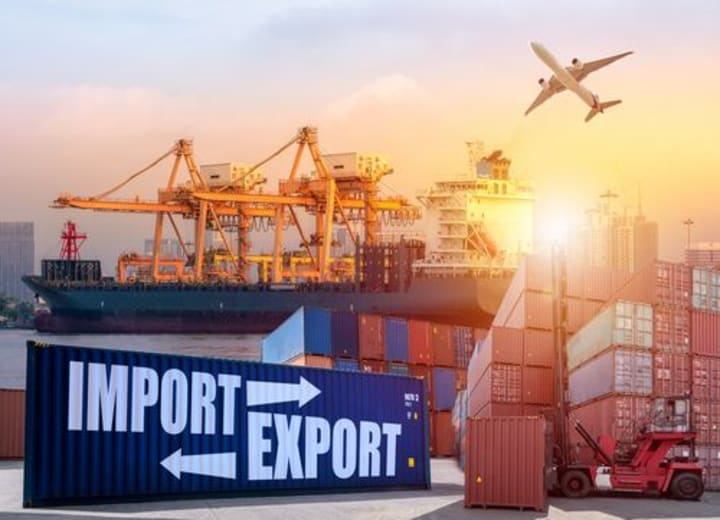
One of the most significant impacts of rising tariffs is the disruption of global supply chains. Companies that previously relied on cost-efficient, cross-border production now face uncertainty and increased costs. Many manufacturers are shifting operations closer to home or to neutral countries not involved in tariff disputes. This reshuffling is not only costly but also causes delays and lowers overall efficiency.
For example, tech companies that once relied heavily on Chinese components now look toward Vietnam, Mexico, or India. However, rebuilding supply chains takes time, capital, and labor—all of which strain businesses and slow down innovation.
Higher Prices and Inflation
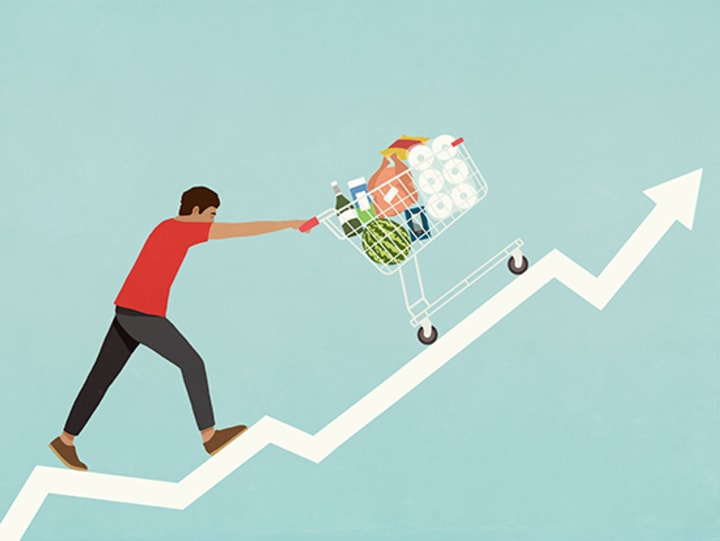
Tariffs are essentially taxes on imported goods. When governments impose them, the increased cost is often passed on to consumers. As a result, prices of everyday items such as electronics, food, and clothing rise. This phenomenon is contributing to inflation around the world, putting pressure on central banks to raise interest rates.
In the United States, for instance, tariffs on Chinese imports have added billions in additional costs for both businesses and consumers. Similar effects are seen in the EU, India, and other economies involved in trade tensions.
Emerging Economies at Risk
Developing countries are among the hardest hit by rising tariffs. Many of these nations rely on exporting raw materials or manufactured goods to larger economies. When those trade channels are blocked or taxed, their economic growth slows down dramatically. In some cases, these disruptions lead to job losses, increased poverty, and political instability.
Countries in Africa, Southeast Asia, and Latin America, for example, have faced significant challenges due to new trade barriers imposed by the U.S., EU, or China.
Investor and Business Uncertainty
Tariff wars create an environment of economic unpredictability. Investors hesitate to fund projects that could be affected by sudden policy changes. Businesses hold back expansion plans, unsure of future trade rules or market access. This uncertainty hinders global growth and reduces trust in international economic cooperation.
Moreover, as tariffs increase tensions between countries, diplomatic relationships can sour, leading to even broader political consequences.
The Future of Global Trade
If the current trajectory continues, the global economy could become increasingly fragmented. Instead of one interconnected world market, we might see trade split into regional blocs—such as North America, Europe, and Asia—each with its own standards, rules, and policies. This fragmentation would decrease the efficiency of global trade, limit market access, and make it harder for businesses—especially small and medium-sized enterprises—to compete internationally.
While some policymakers argue that tariffs protect jobs and national interests, the evidence suggests that their long-term impact often does more harm than good, especially when applied aggressively and without international cooperation.

Conclusion
The rise in tariff policies marks a significant shift in the way global trade is managed. Though often introduced under the guise of protecting domestic interests, these policies are increasingly destabilizing the global economic landscape. They raise costs, spark inflation, disrupt supply chains, and limit opportunities for growth, especially in emerging economies.
To ensure economic stability, nations must find a balance between protecting local industries and maintaining open, fair, and cooperative global trade. Multilateral negotiations and trade agreements may offer a better path forward than one-sided tariff battles. The world’s economic health depends not on isolation, but on strategic, inclusive, and sustainable cooperation.

Summary
Rising tariff policies are becoming more common as countries try to protect their domestic industries and assert political power. However, these tariffs are disrupting global supply chains, increasing consumer prices, and contributing to inflation. They especially hurt developing countries that rely on exports, making it harder for them to grow economically.
Businesses face uncertainty, investment slows down, and international relations become strained. If this trend continues, global trade may become fragmented into regional blocs, reducing cooperation and harming long-term economic growth. While tariffs can offer short-term protection, they often do more harm than good when overused. A more balanced and cooperative global approach is needed to ensure economic stability.
Made by: Bashir Ahmad (Enayat)
About the Creator
Keep reading
More stories from writers in The Swamp and other communities.
A Gathering of Evil Bosses
“I’m the queen of chin jutting while I smooth my hair, attacking, insulting, and deflecting to protect my appointer.” “Oh, please, Blondi, my hair is curled, highlighted, and longer than yours. I feature television commercials telling immigrants that we will give them a free plane ride home, and if they voluntarily turn themselves in, they will be allowed to legally apply for re-entry. It runs everywhere, and I look good in it! You can’t compete because of your blond hair. Mine is nicer, and my lips are prettier than yours.”
By Andrea Corwin 17 days ago in The Swamp



Comments
There are no comments for this story
Be the first to respond and start the conversation.